Your Ultimate Guide To Celebrating Carnival In Germany
Carnival is celebrated across the globe. In Brazil, samba schools dance through huge stadiums. In Italy, masks and eloquate costumes dominate the streets. In the Caribbean, music, dance and street parties merge into colourful spectacles. Despite their differences, all these celebrations share the same spirit: freedom, escape from everyday life and collective "joie de vivre".
Carnival in Germany, however, is far more than just a party. It is deeply rooted in history, religion and regional identity. Its origins date back to the Middle Ages, when the days before Christian Lent offered one last opportunity to eat, drink and turn social rules upside down. This idea – of allowing the world to run differently for a short time – still shapes carnival today.
The festival has different names depending on the region:
- Karneval in the Rhineland
- Fasching in Bavaria
- Fasnacht in the south-west
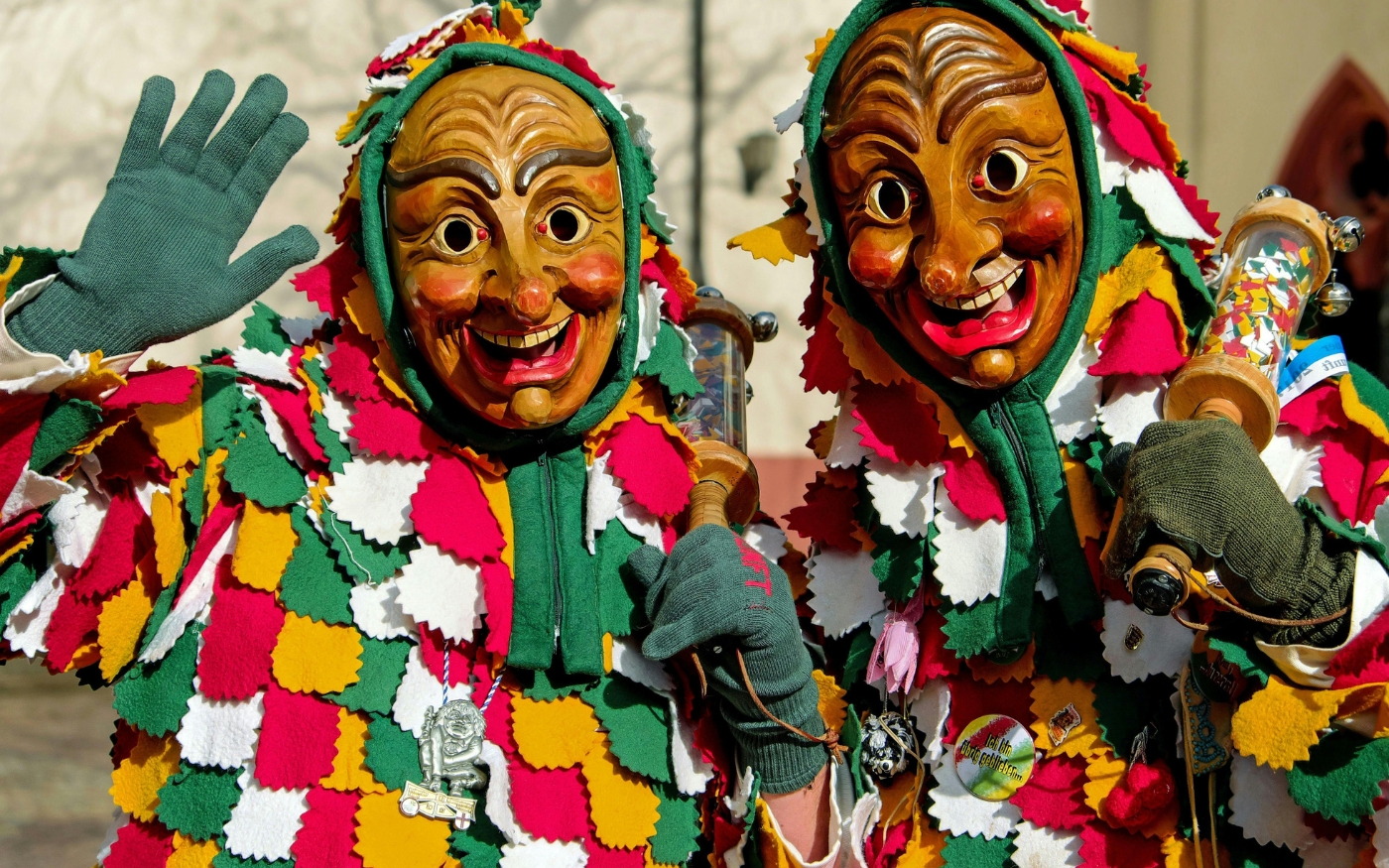
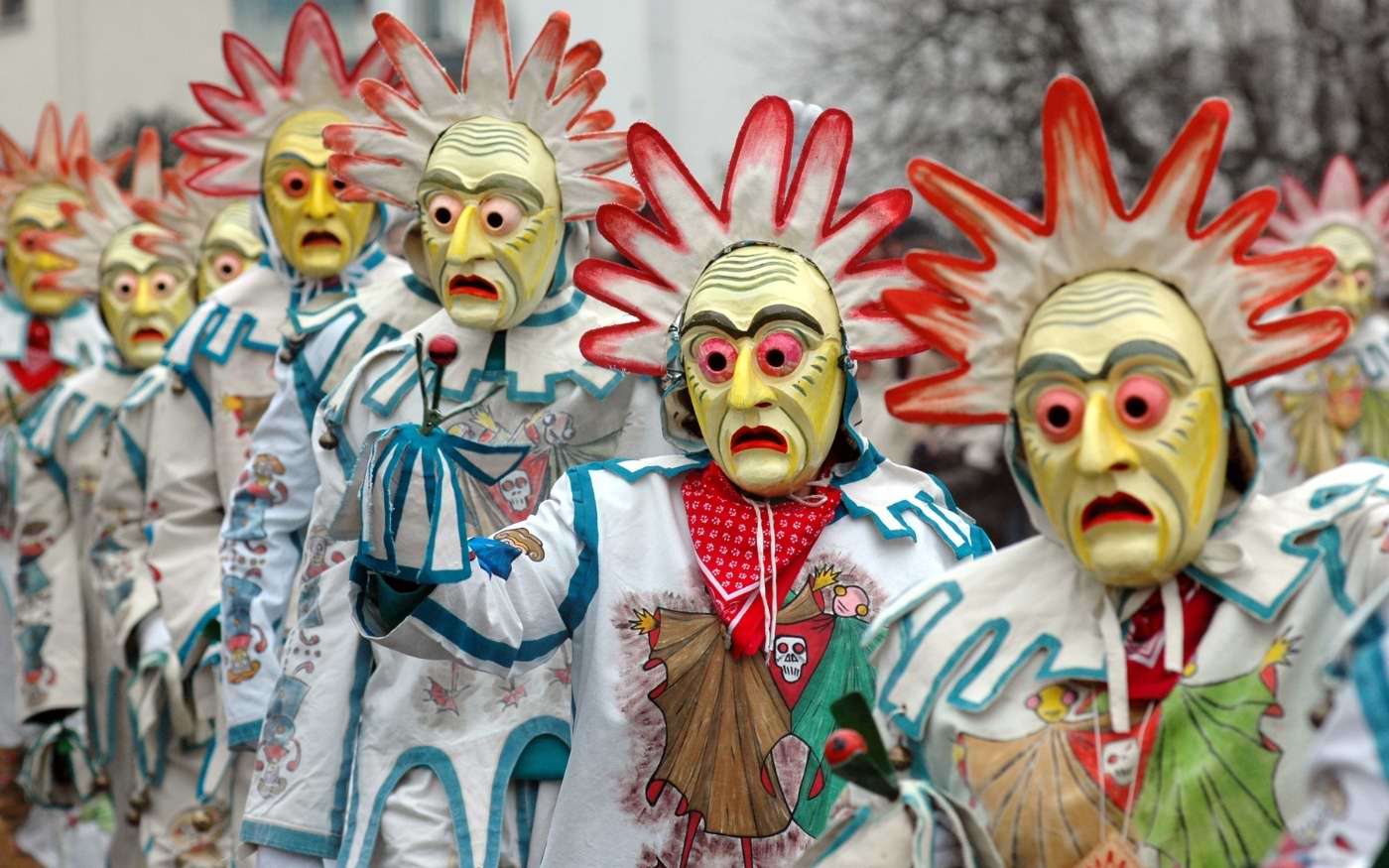
Each name comes with its own traditions, music and atmosphere. While the Rhineland carnival is loud, political and street-focused, Bavarian Fasching often feels more elegant and organised. Swabian-Alemannic Fasnacht, by contrast, is highly ritualised and centred around masks and historic costumes.
Today, carnival in Germany is a major cultural event. Millions of people celebrate in streets, halls and pubs. Entire cities enter a joyful state of emergency for several days. This guide shows where you can experience German carnival at its most intense.
When Is Carnival Celebrated in Germany?
The carnival season traditionally begins on 11 November at 11:11 a.m. From that moment onwards, preparations, parties and smaller events take place across the country. The real highlights, however, happen much later.
The most important days are:
- Weiberfastnacht (Thursday before Ash Wednesday)
- Rosenmontag
- Veilchendienstag
- Ash Wednesday (official end of Carnival)
The street carnival lasts around five to six days, although in many cities it feels much longer.
Carnival in Cologne
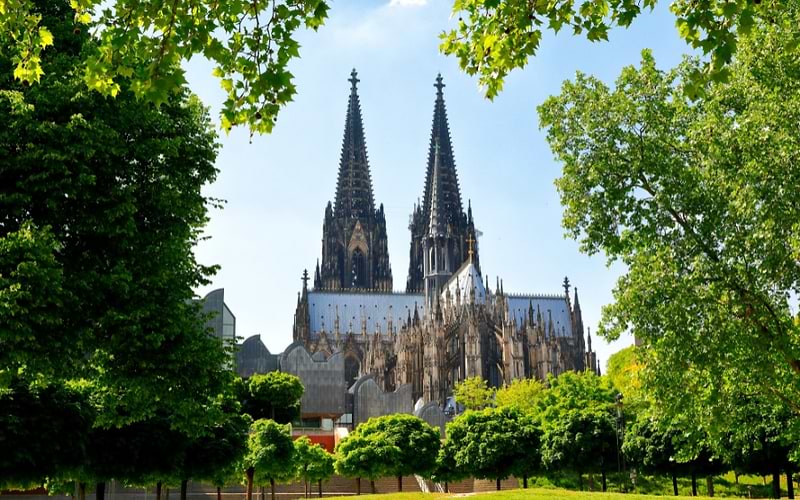
Cologne Carnival is widely regarded as the epitome of carnival in Germany. Here, the fifth season is part of the city’s DNA. Carnival is not only celebrated – it is lived. Everything follows the motto “Jede Jeck es anders” (every fool is different). The famous cry “Alaaf Kölle”, traditional Cologne songs and a deeply emotional, welcoming atmosphere define the experience.
A central role is played by the Cologne Triumvirate, consisting of the Prince, Farmer and Virgin, who officially represent the carnival season. Culinary classics include Kölsch beer, Himmel un Ääd (mashed potatoes with apple sauce and black pudding) and sweet Mutzenmandeln. Costumes are everywhere – colourful, humorous or politically inspired. The Cologne carnival is loud, heartfelt and brings strangers together within minutes.
Highlights:
- Weiberfastnacht: Start of the street carnival; the Old Town fills up early
- Rosenmontag: One of the largest carnival parades in Europe
- Veilchendienstag: Traditional burning of the Nubbel
Carnival in Düsseldorf
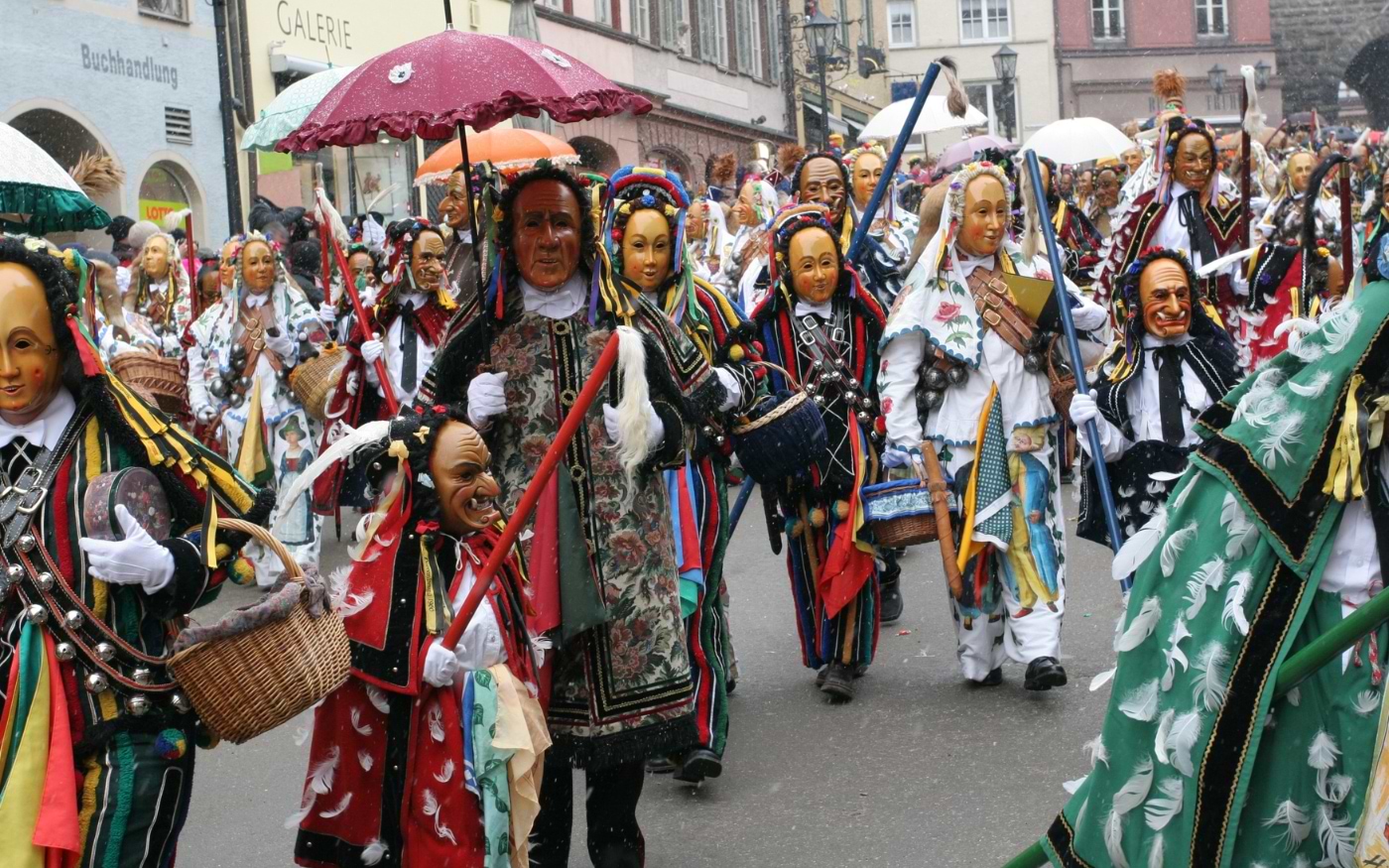
The Düsseldorf Carnival offers a very different experience. While Cologne celebrates with emotion, carnival in Düsseldorf is known for sharp satire and bold political statements. It is also famous for its elaborately designed floats, which comment on current political and social issues in a pointed and often provocative way. These floats regularly attract international media attention.
Music is provided by local groups and well-known carnival bands, while costumes tend to be creative but slightly less playful than in Cologne. Culinary highlights include Altbier, hearty dishes and classic carnival snacks. Visitors looking for costumes will find plenty of options in Düsseldorf’s renowned carnival shops.
Highlights:
- Rosenmontag parade: Politically themed floats with global media coverage
- Street carnival in Düsseldorf’s Old Town
Carnival in Mainz
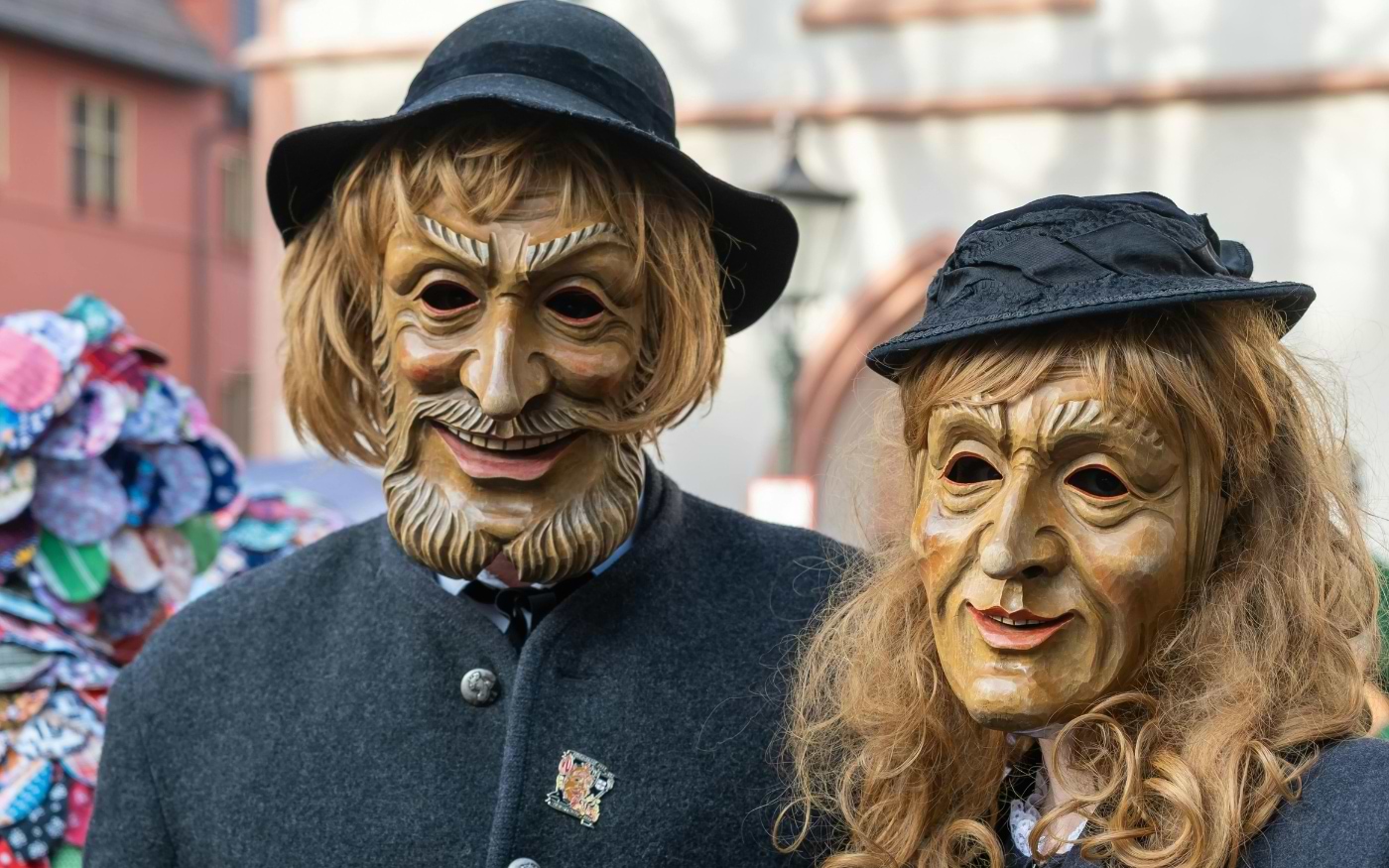
The Mainz Carnival is known for its subtle humour and intellectual approach. Here, language and political carnival speeches take centre stage. Instead of loud street parties, the focus is on clever entertainment combined with social criticism. Many of the famous speeches are broadcast on television and are a fixed part of the carnival season for viewers across Germany.
A distinctive feature of Mainz carnival is the Schwellköpp – oversized papier-mâché heads carried during the parade. Culinary traditions include Weck, Worscht un Woi (bread rolls, sausage and wine), usually accompanied by Rhine-Hessian wine. The atmosphere is convivial and relaxed, making Mainz ideal for visitors who prefer a calmer carnival experience.
Highlights:
- Rosenmontag parade with Schwellköpp
- High-profile televised carnival sessions
Carnival in Munich
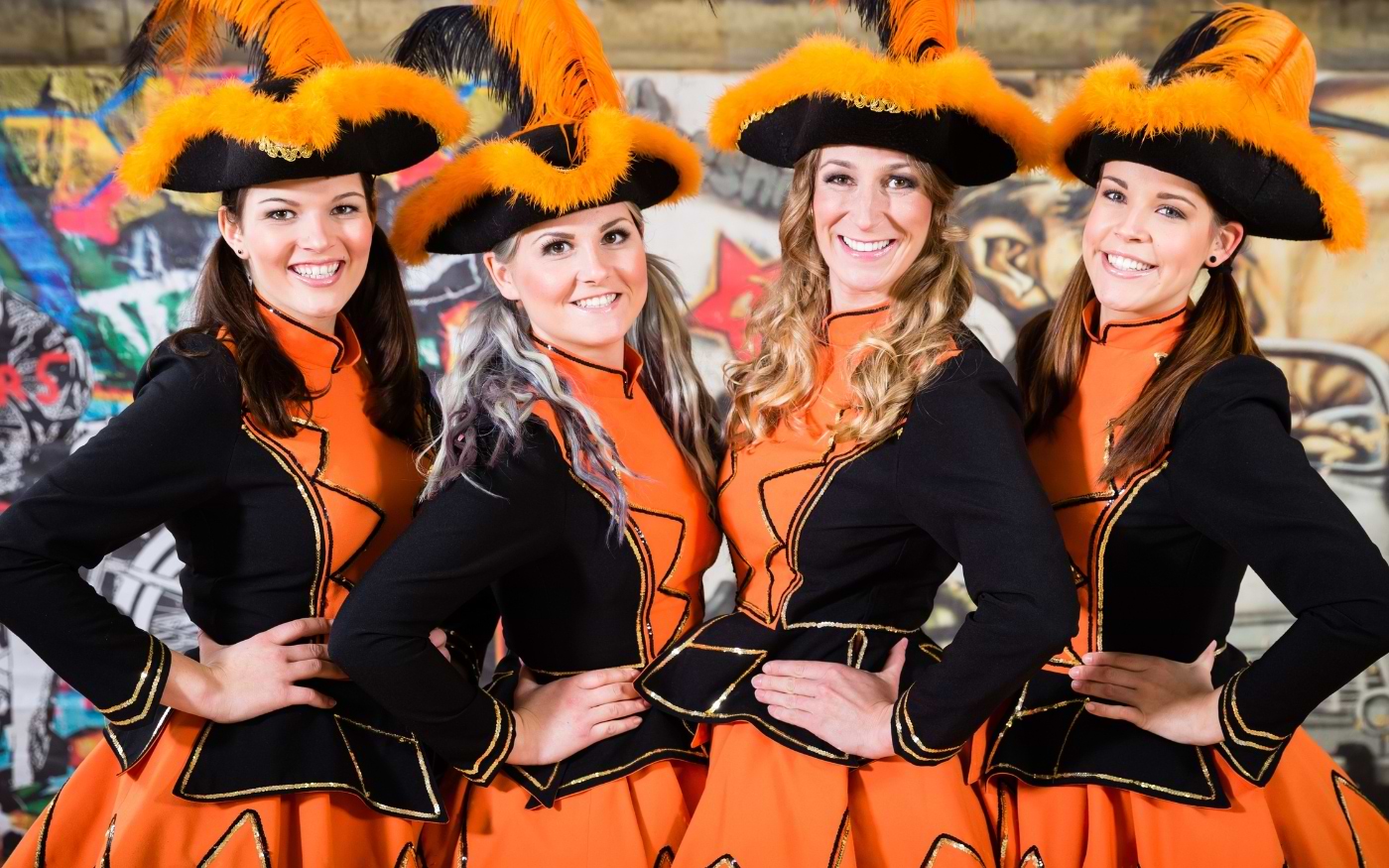
In Bavaria, carnival is known as Fasching. Carnival in Munich is noticeably more elegant and structured than in the Rhineland. Large street parades are rare; instead, balls, dance events and organised celebrations dominate the calendar.
A key event is the Dance of the Market Women at the Viktualienmarkt, where female traders symbolically take over power for the day. Culinary highlights include doughnuts (Krapfen), Bavarian specialities and beer. Costumes are worn, but often simpler and more understated. Carnival in Munich is ideal for visitors who want to celebrate without being overwhelmed by crowds.
Highlights:
- Dance of the Market Women at the Viktualienmarkt
- Fasching balls and club nights
- Children’s carnival events across the city
Carnival in Aachen
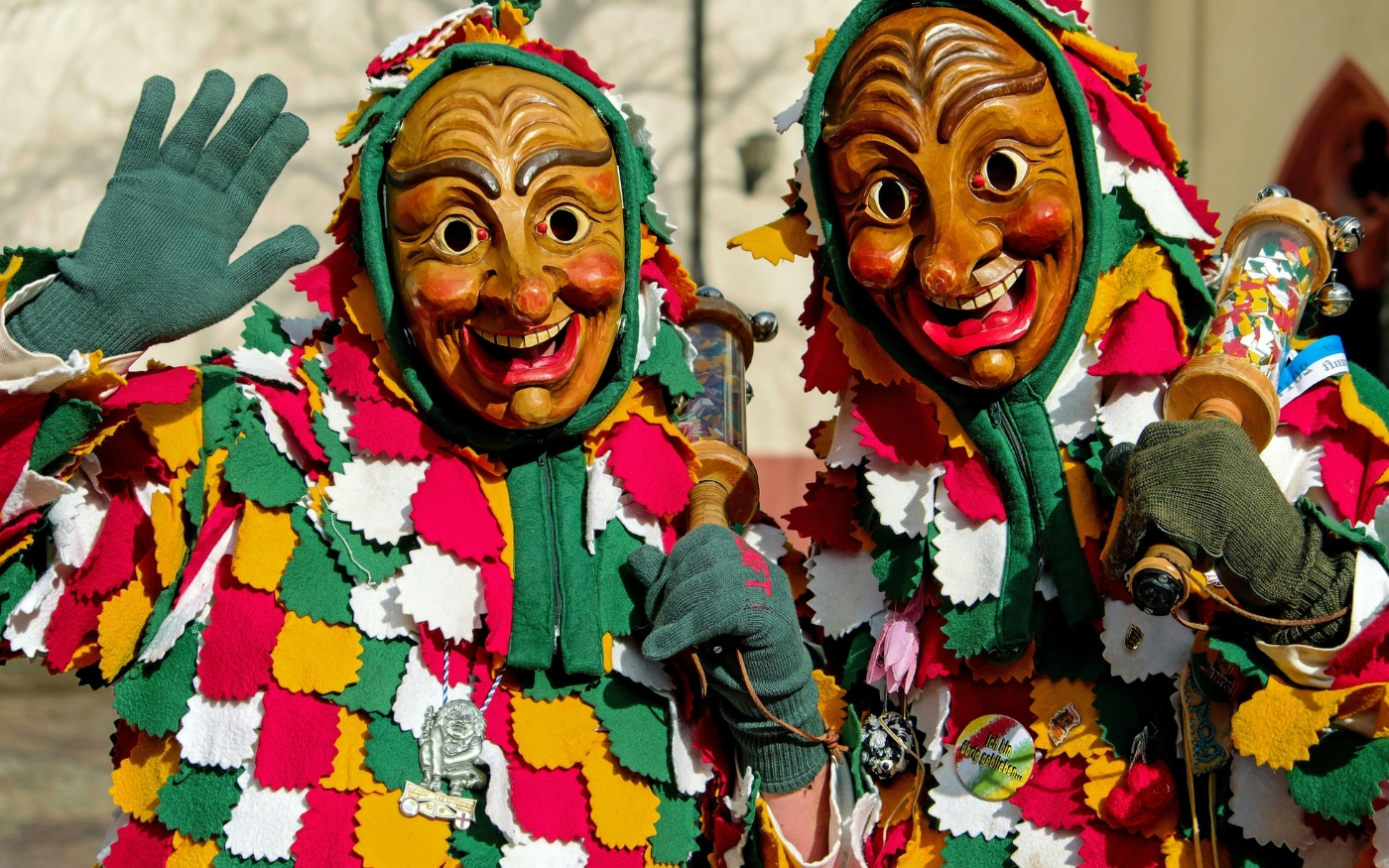
Carnival in Aachen is smaller than in Cologne or Düsseldorf, but especially welcoming and family-oriented. Strongly shaped by local clubs and the Öcher dialect, community spirit is at the heart of the celebrations. Traditions are inspired by the Rhineland carnival but feel more down-to-earth.
Food includes classic carnival dishes and regional specialities, while costumes are creative without being extravagant. Aachen is ideal for visitors who want to experience German carnival without extreme crowds.
Highlights:
- Rosenmontag parade through the city centre
- Numerous local carnival sessions
- Strong club-based carnival culture
What Should You Wear During Carnival?
Costumes are an essential part of carnival celebrations. Anything goes – from funny to political, from elaborate to spontaneous.
Practical tips:
- Wear comfortable shoes
- Dress warmly and weatherproof underneath your costume
- Carry as little luggage as possible
Whether it is the exuberant Cologne Carnival, the satirical Düsseldorf Carnival, the eloquent Mainz Carnival or the elegant carnival in Munich, each region presents a unique side of the fifth season. This diversity is exactly what makes carnival in Germany so special.
Book your stay at Leonardo Hotels in Germany and experience Carnival up close in the country’s most exciting carnival cities.
Find your next hotel in Cologne, Germany