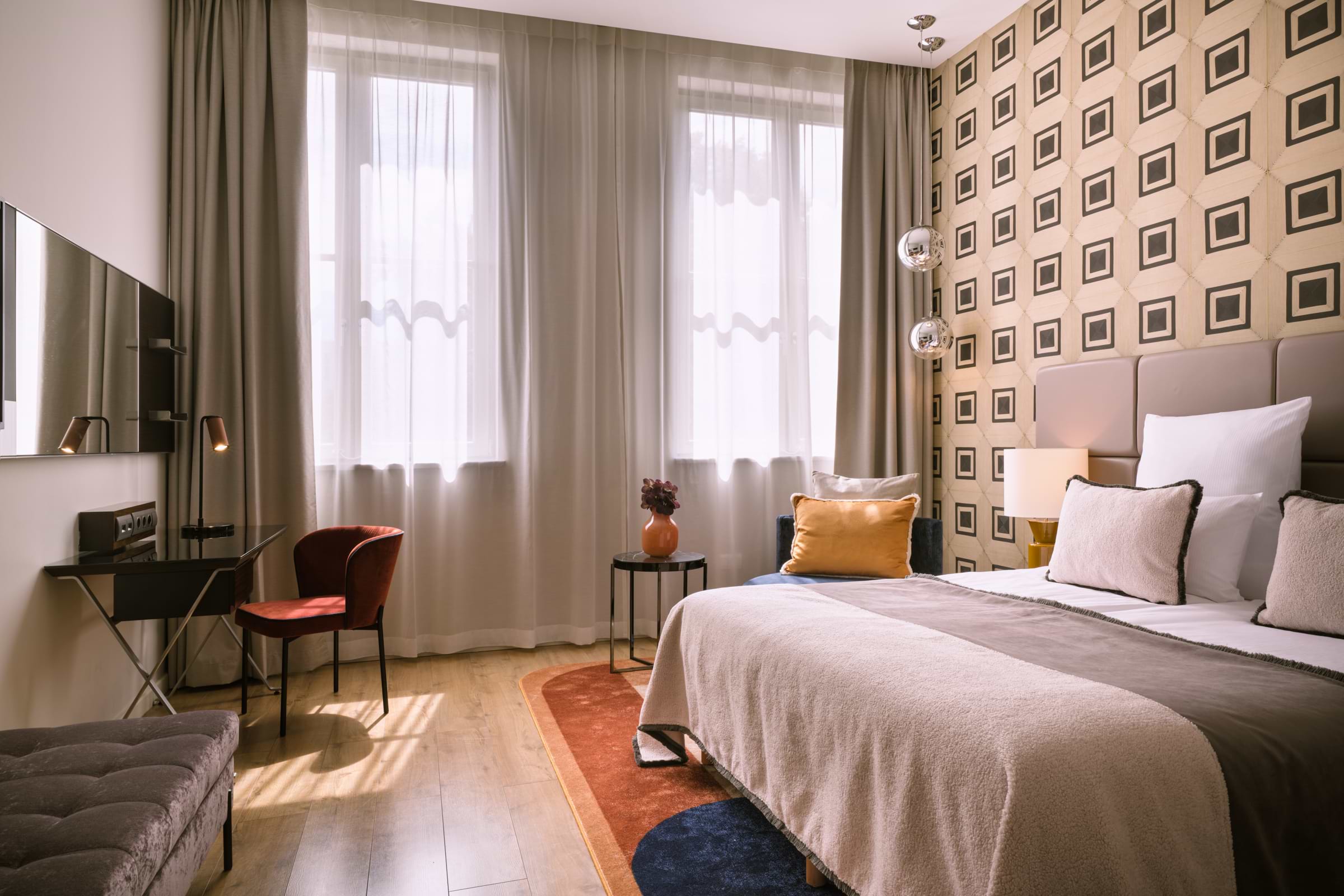
Hotel Room Types Explained: From Standard Rooms to Presidential Suites
You've found the perfect hotel. The photos look great, the location ticks every box, and the price is within budget. Then you hit the booking page and face a wall of room categories: standard, superior, deluxe, junior suite, executive suite, maybe even a presidential suite thrown in for good measure. Which one do you actually need?
The honest answer is that the hospitality industry does not have a universal rulebook for naming different hotel room types. A "deluxe" room at one property might be equivalent to a "superior" somewhere else. That said, most hotels follow broadly similar conventions when it comes to hotel room type classification, and once you understand the logic behind the labels, navigating any booking page becomes a lot more straightforward.
This guide walks you through every major room category, from the no-frills standard room all the way to multi-room suites, and explains exactly what you can expect at each level. We'll also cover bed configurations, the practical differences between room types, and how to pick the right option for your specific trip.
Good to know: Hotel room types are categories based on size, layout, and level of comfort. The most common types include standard rooms, superior and deluxe rooms, and suites such as junior, executive, and presidential suites, each offering increasing space and amenities.
| Room Type | Key Feature | Best For |
|---|---|---|
| Standard | Basic essentials | Short stays |
| Superior | More space / better views | Comfort upgrade |
| Deluxe | Premium finishes | Leisure travellers |
| Junior Suite | Open-plan extra space | Couples |
| Suite | Separate living area | Families |
| Executive Suite | Premium + services | Business travellers |
| Presidential Suite | Luxury, multi-room | VIP stays |
The Standard Room: Your Starting Point
The standard room is the baseline offering at any hotel, and it gets a bad reputation it does not entirely deserve. A standard room gives you everything you need for a comfortable stay: a bed, a private bathroom, climate control, and the essentials for a night or a few days away from home.
Across all Leonardo Hotels, you can expect quality bedding, a well-designed bathroom, a work desk, and reliable Wi-Fi. What it won't offer is extra floor space, premium views, or upgraded furnishings.
Standard rooms come in different bed configurations, and this matters more than many travellers realise. Common options include:
- Double: one large double or full-size bed, suitable for couples or solo travellers who like space
- Twin: two single beds, ideal for friends travelling together or parents with a child
- King: a larger king-size bed, offering more sleeping space than a standard double
- Queen: a queen-size bed, slightly smaller than a king but more spacious than a double
Always check the bed type when booking, since room categories and bed types are separate variables on most booking platforms.
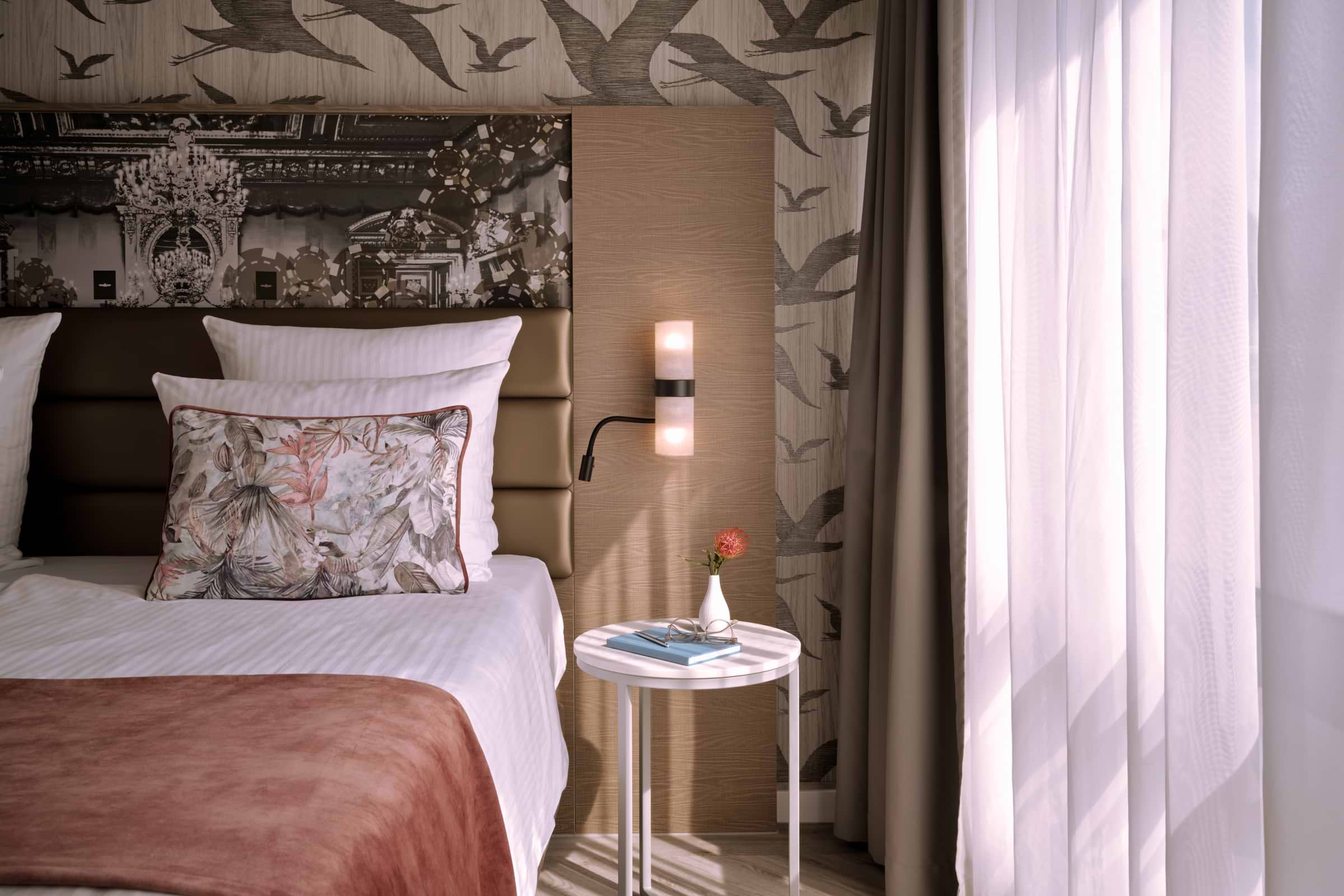
Superior Rooms: The First Upgrade Worth Considering
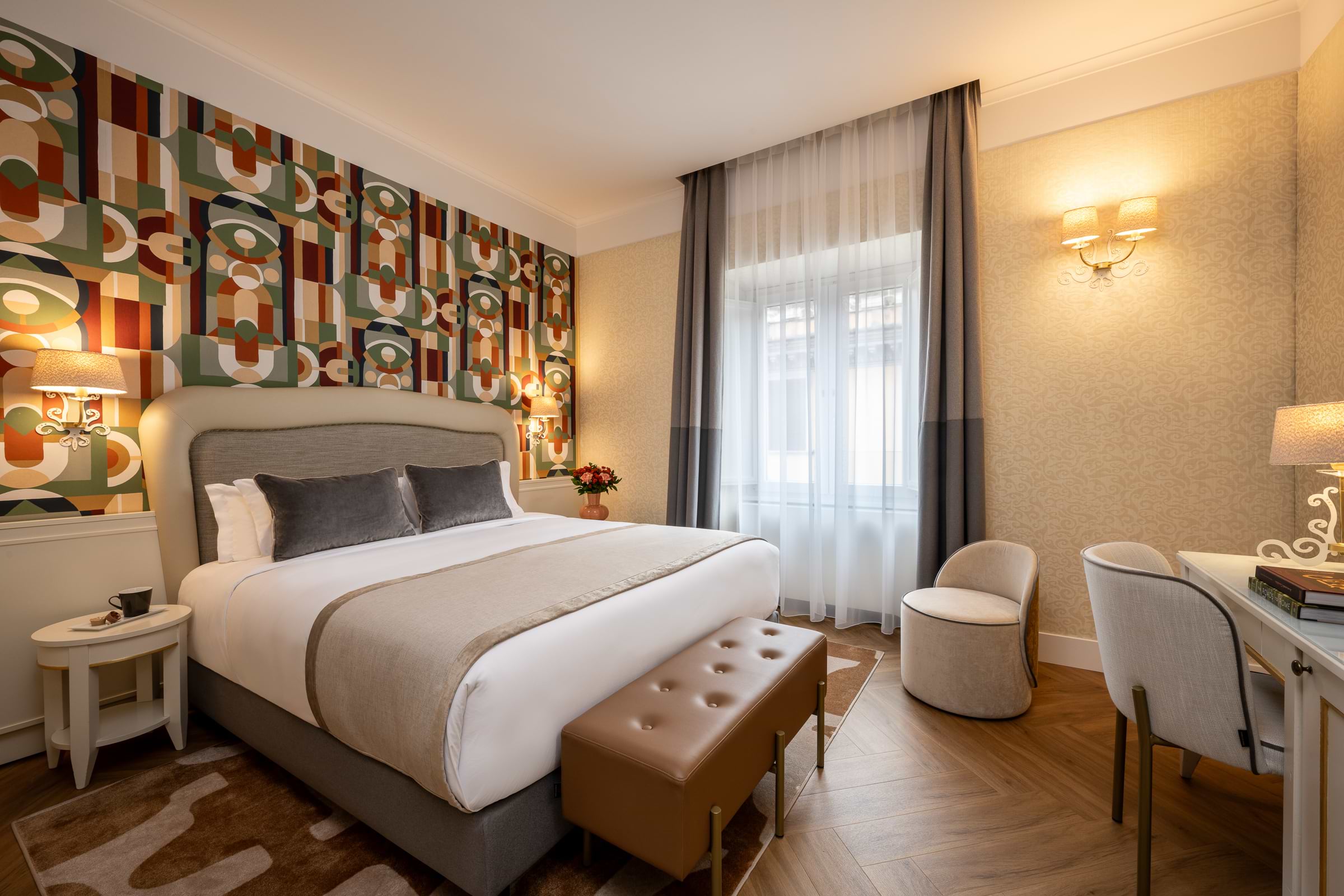
The step from standard to superior is often the most sensible upgrade on offer, particularly when the price difference is modest. A superior room sits one rung above standard in the hotel’s internal hierarchy, and the differences usually fall into a few predictable categories.
You'll typically get more square footage, a better position within the building (higher floors, corner locations, or rooms away from lifts and stairwells), improved views, and occasionally upgraded bathroom amenities. The room layout and furniture are generally the same style, just more of it or in a more desirable spot.
For a city break or a business trip where you want a bit more comfort without paying suite prices, a superior room often represents the sweet spot.
At Leonardo Hotels properties across the UK and Europe, superior rooms are a popular choice for travellers who want a notch above the essentials without committing to a full upgrade. Book your stay now!
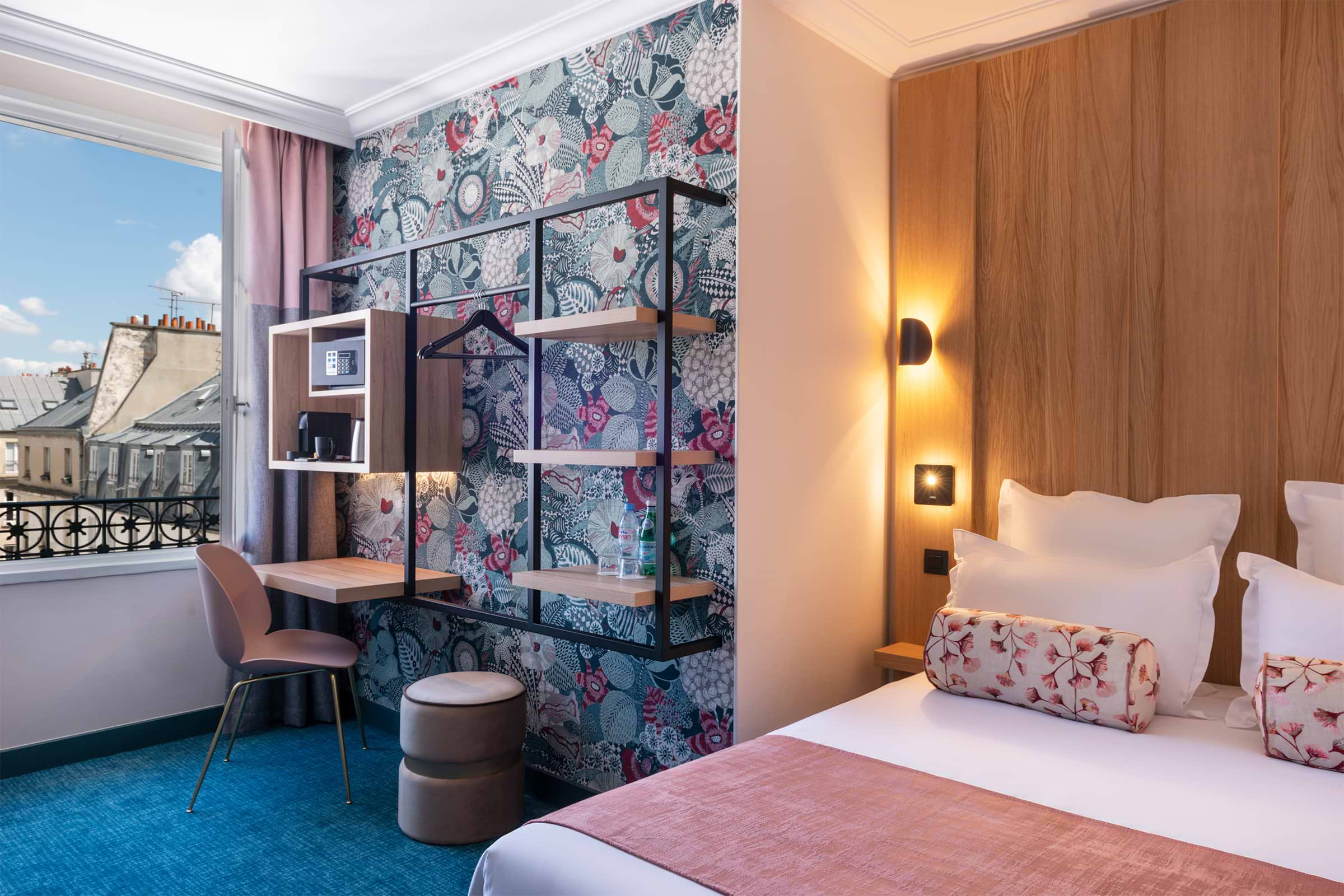
Deluxe Rooms: Premium Without the Suite Price Tag
The deluxe room sits above superior in most hotel hierarchies, and it typically signals a more significant upgrade in space, decor, or amenities. Think of it as the premium economy of hotel rooms: meaningfully better than the standard experience, but still a single room rather than a multi-room arrangement.
Deluxe rooms often feature upgraded soft furnishings, a minibar, premium toiletries, better technology (larger screens, smarter controls), or standout views, such as a guaranteed city skyline, river outlook, or sea vista. In resort settings, a deluxe room might come with a private terrace or direct garden access.
The suite vs deluxe room question comes down to one key factor: layout. A deluxe room, however well appointed, is still a single open-plan space combining sleeping and sitting areas. A suite introduces a physical separation between the two.
For travellers who value quality finishes and a more curated feel but do not need the separation of a suite, deluxe is frequently the best-value choice among the upper room categories.
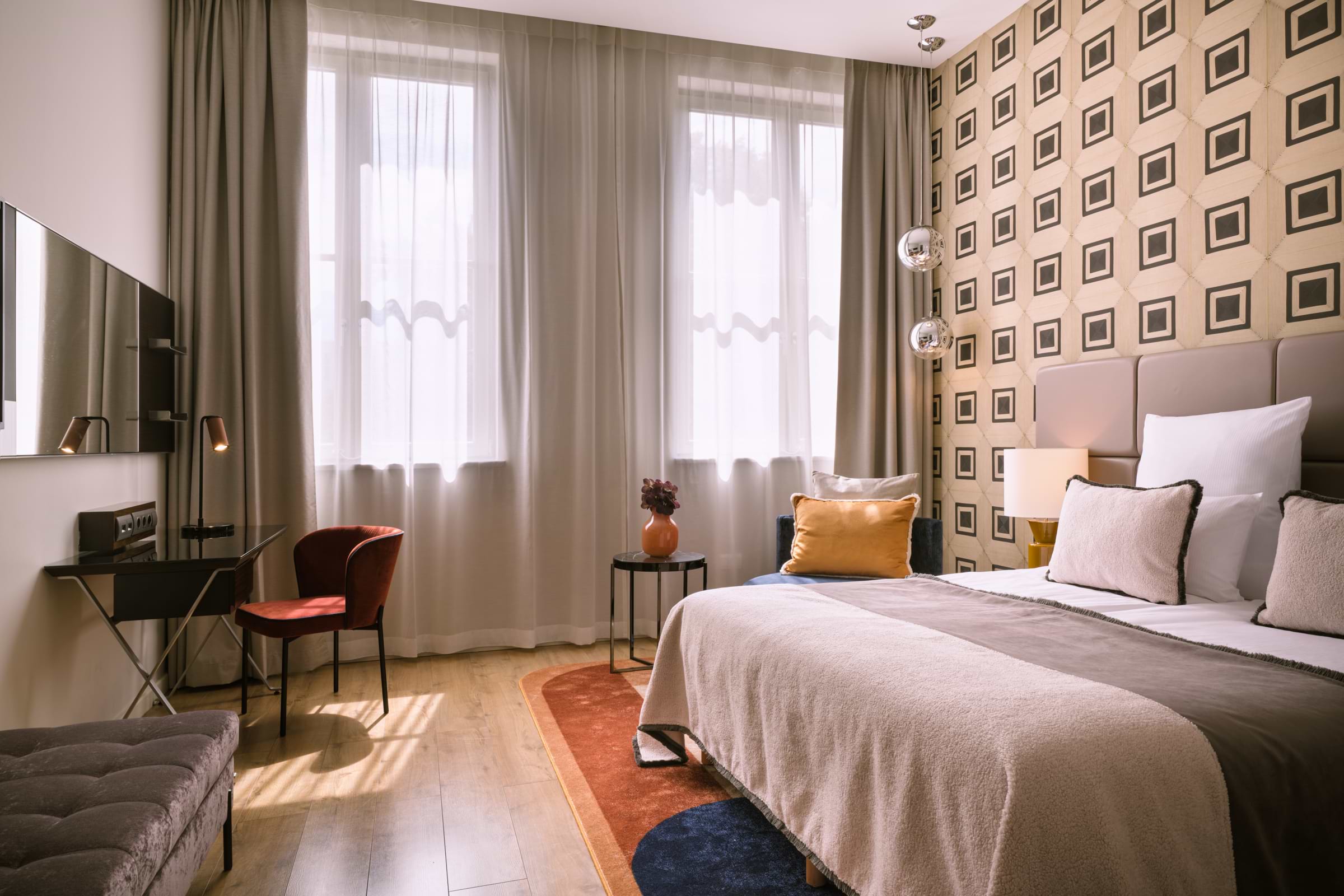
Suites: When One Room Simply Is Not Enough
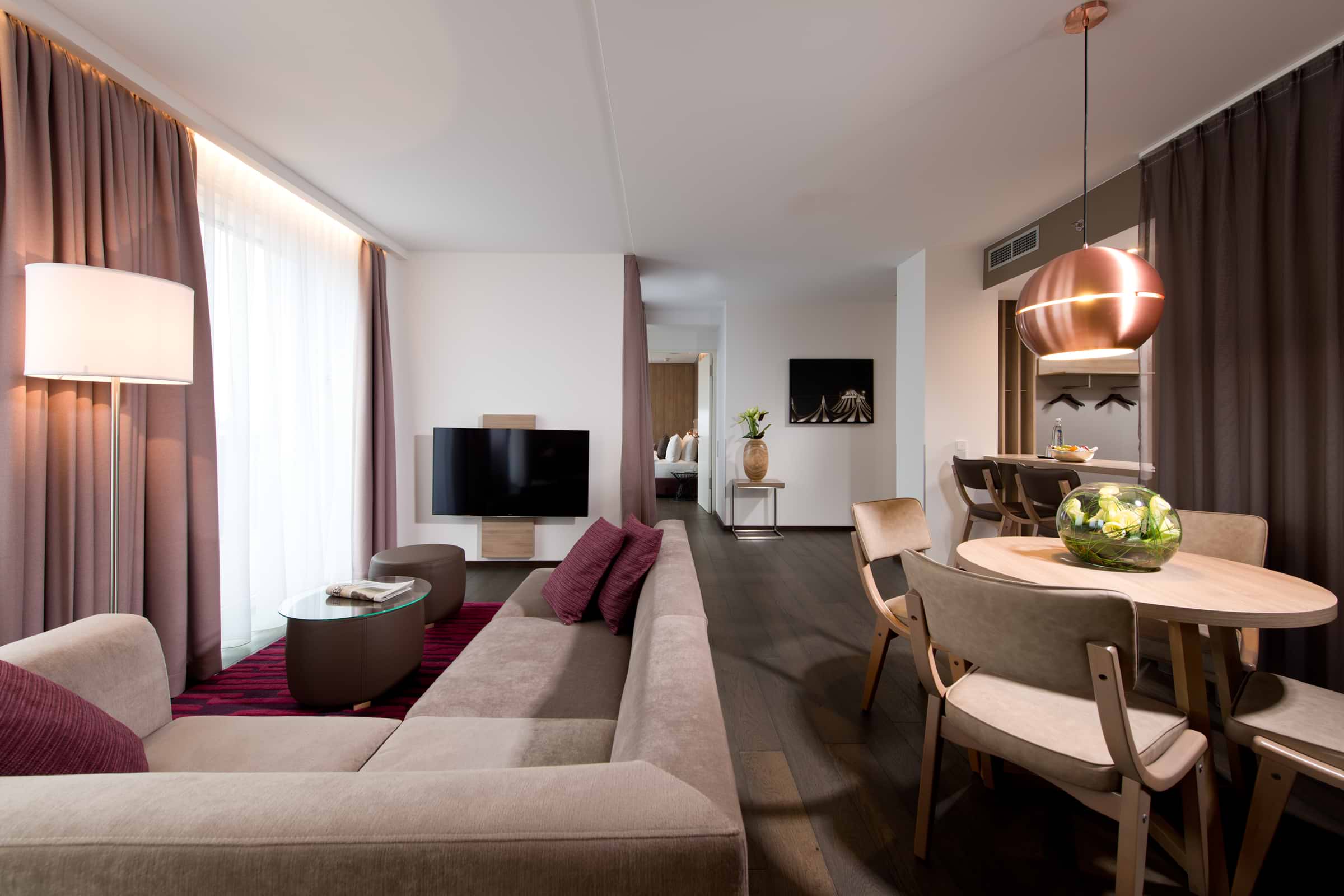
Here is where the real distinction kicks in. A suite in a hotel is defined not just by its size but by its layout: unlike a standard, superior, or deluxe room, a suite has a separate living area (a sitting room or lounge) that is physically divided from the bedroom.
This makes suites genuinely useful for a range of scenarios beyond pure luxury travel. If you're working remotely and need a proper workspace that doesn't involve perching on the edge of the bed, if you're travelling with a young child and want them to sleep in a separate area, or if you're entertaining a colleague or a friend during your stay, the division of space that a suite offers has real practical value.
Suites also tend to come with upgraded amenities as standard: better bathroom fixtures, a dining area, premium in-room technology, and more attentive service provisions such as welcome amenities on arrival.
Junior Suite vs Suite: Not the Same Thing
The distinction between a junior suite and a full suite is one of the most commonly misunderstood aspects of hotel room type classification.
A junior suite (sometimes called a studio suite or junior king suite) is a larger-than-average room where the sleeping area and sitting area occupy the same space, without a dividing wall or door. It is essentially a very generously sized room with a defined lounge zone, often created by placing a sofa and coffee table at one end of the room.
A full suite, by contrast, has a genuine physical separation: a hallway or door divides the bedroom from the living room. Some full suites span two or more rooms across distinct spaces. The junior suite vs suite difference is therefore primarily structural. If the privacy of a separate sitting room matters to you, make sure you are booking a full suite, not a junior suite.
Executive Suites and Presidential Suites: The Top of the Range
Above the standard suite sits a tier of premium suite categories, and the naming conventions here vary the most widely between hotels.
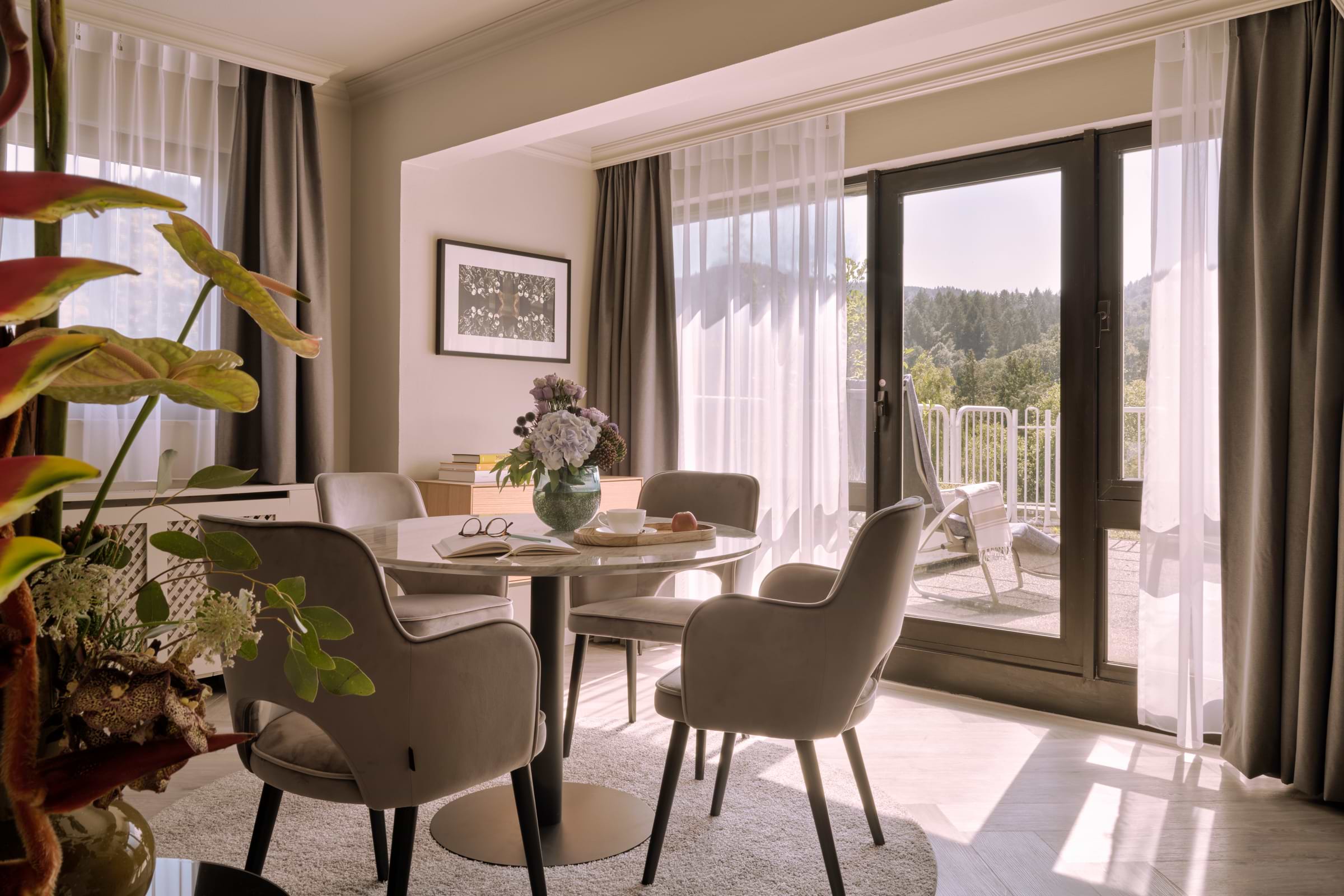
An executive suite typically combines a large living area and bedroom with additional business-oriented facilities: a dedicated work zone, enhanced connectivity, access to an executive lounge (often featuring complimentary refreshments and meeting facilities), and expedited check-in. They are designed with the frequent business traveller in mind.
Moving up from there, you encounter names such as penthouse suite, signature suite, and presidential suite. These are the headline offerings at upscale properties, often occupying top-floor or corner positions with panoramic views, spanning 80 to 200 square metres or more, and featuring multiple bedrooms, dining rooms, and private terraces. They represent the absolute top of the hotel's category of rooms and are priced accordingly.
How Hotels Actually Decide on Room Categories
The process of hotel room type classification is partly internal and partly regulated by the star-rating and quality-assurance bodies that operate in each country. Within the broad requirements set by those bodies, hotels have considerable freedom in how they label and structure their room tiers.
In practice, most hotels build their classifications around three variables: size (floor area), position (floor level, view, and location within the building), and specification (quality of furnishings, technology, and in-room amenities). The higher the category, the better the score across all three.
At Leonardo Hotels properties, this logic is applied consistently so that guests know exactly what they are getting when they select a room type. The classification is designed to be transparent rather than aspirational marketing language.
Which Room Type Offers the Best Value for Your Trip?
Value is deeply personal, but here are some practical guidelines based on the type of trip you're planning:
- Short city break (1-2 nights): A standard or superior room is almost always sufficient. You'll spend most of your time exploring, so paying for extra space you won't use is rarely worthwhile.
- Business trip: A superior or deluxe room with a proper desk setup is the practical choice. An executive suite makes sense if you'll be hosting meetings or need the lounge access.
- Longer leisure stay (4+ nights): Step up to a deluxe or junior suite. The extra space pays off when you're spending more evenings in the room.
- Travelling with family: A suite with a separate living room allows adults and children to sleep in genuinely separate spaces.
- Special occasion: A full suite or executive suite elevates any celebration, from anniversaries to milestone birthdays.
The hotel room vs suite decision often comes down to time: if you'll barely be in the room, a well-chosen standard or superior offers excellent value. If the room itself is part of the experience, the suite is worth the investment.
How to Choose the Right Room for Your Trip
Before confirming your booking, run through these questions:
- How many nights are you staying? Longer stays justify more investment in your room category.
- What will you actually use the room for?
- How many people are sharing? Bed configuration and room size both matter more when there are two of you.
- Is the view part of the experience? If so, check whether a deluxe or suite designation at your chosen hotel includes a guaranteed view.
- What's your real budget? The difference between standard and superior is often modest. The jump from superior to suite can be substantial.
Reading the room descriptions on the hotel's own website (rather than just third-party aggregators) often reveals more specific details about what each category actually includes.
At Leonardo Hotels, the room descriptions are written to give you a clear picture of the space and features at each level, so you can make an informed choice before you arrive.
Frequently Asked Questions
What are the different types of hotel rooms?
Most hotels offer rooms across a tiered structure that runs from standard (the entry-level option) through superior and deluxe to various suite categories including junior suite, suite, and executive suite. Resort properties sometimes add location-based categories such as garden-view, pool-view, and beachfront rooms. The exact names and number of tiers vary between hotels, but the underlying logic of size, position, and specification is consistent.
What is the difference between a standard and a superior room?
A standard room provides all the essentials: a bed, private bathroom, and basic in-room amenities. A superior room adds one or more of the following: extra floor space, a higher floor position, a better view, or enhanced amenities. The superior is an upgrade on the standard, but both are single-room configurations without a separate living area.
What is a suite in a hotel, and how is it different from a regular room?
A suite has a physically separate living area (a sitting room or lounge) divided from the bedroom by a wall or door. This is the core distinction from a regular hotel room, which combines sleeping and sitting in a single space. Suites also tend to include higher-specification furnishings, upgraded bathroom facilities, and enhanced service provisions.
How do I choose the right hotel room type for my trip?
Start with your priorities: length of stay, number of guests, how much time you'll spend in the room, and whether specific features (views, a separate lounge, a workspace) matter to you. Short trips to a destination you'll be actively exploring can be served well by a standard or superior room. Longer stays, family travel, or occasions where the room itself is part of the experience make a deluxe room or suite worth considering.
Ready to Book the Right Room?
Understanding the different hotel room types available to you turns the booking process from a guessing game into an informed decision. Whether you're after the reliable comfort of a standard room, the extra space of a deluxe, or the full separation of a suite, there is a category designed precisely for your needs and your budget.
Leonardo Hotels offers a thoughtfully structured range of room types across its European and UK properties, making it easy to find the right fit for any kind of trip.
Book your stay directly at Leonardo Hotels and get 10% off your booking.
Find your next hotel