Best 15 Things to Do in Palma de Mallorca, Spain
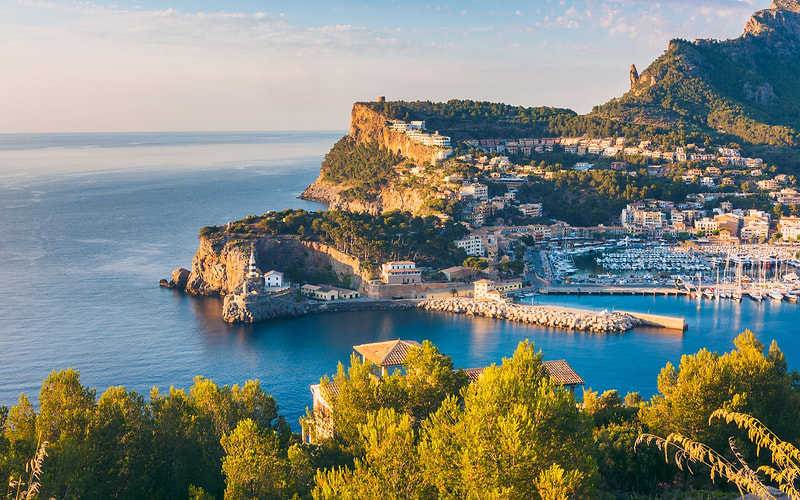
Palma de Mallorca tends to surprise people. You might arrive expecting a fairly standard Mediterranean island vacation, sun, sea, and not much else, and then find yourself completely caught off guard by how much there is to actually do here. The capital of the Balearic Islands has genuine depth to it: a beautifully preserved old town, world-class art and architecture, dramatic coves tucked into limestone cliffs, and enough outdoor adventures to keep you busy for a fortnight. Whether you've got a long weekend or a proper two-week stretch, Palma rewards curiosity. This Mallorca travel guide is designed to help you skip the guesswork and head straight for the good stuff, with practical tips woven in so you can actually make these things happen rather than just reading about them.
At a glance:
The best things to do in Palma de Mallorca include exploring the atmospheric Mallorca old town, visiting the breathtaking Palma Cathedral, and spending a day at a secluded beach like Platgeta de Portals Vells. For culture, the Fundació Miró Mallorca is an absolute must. Round it all out with a sunset hike in the Tramuntana mountains and you've got the makings of a genuinely memorable trip.
15 Best Things to Do in Palma de Mallorca
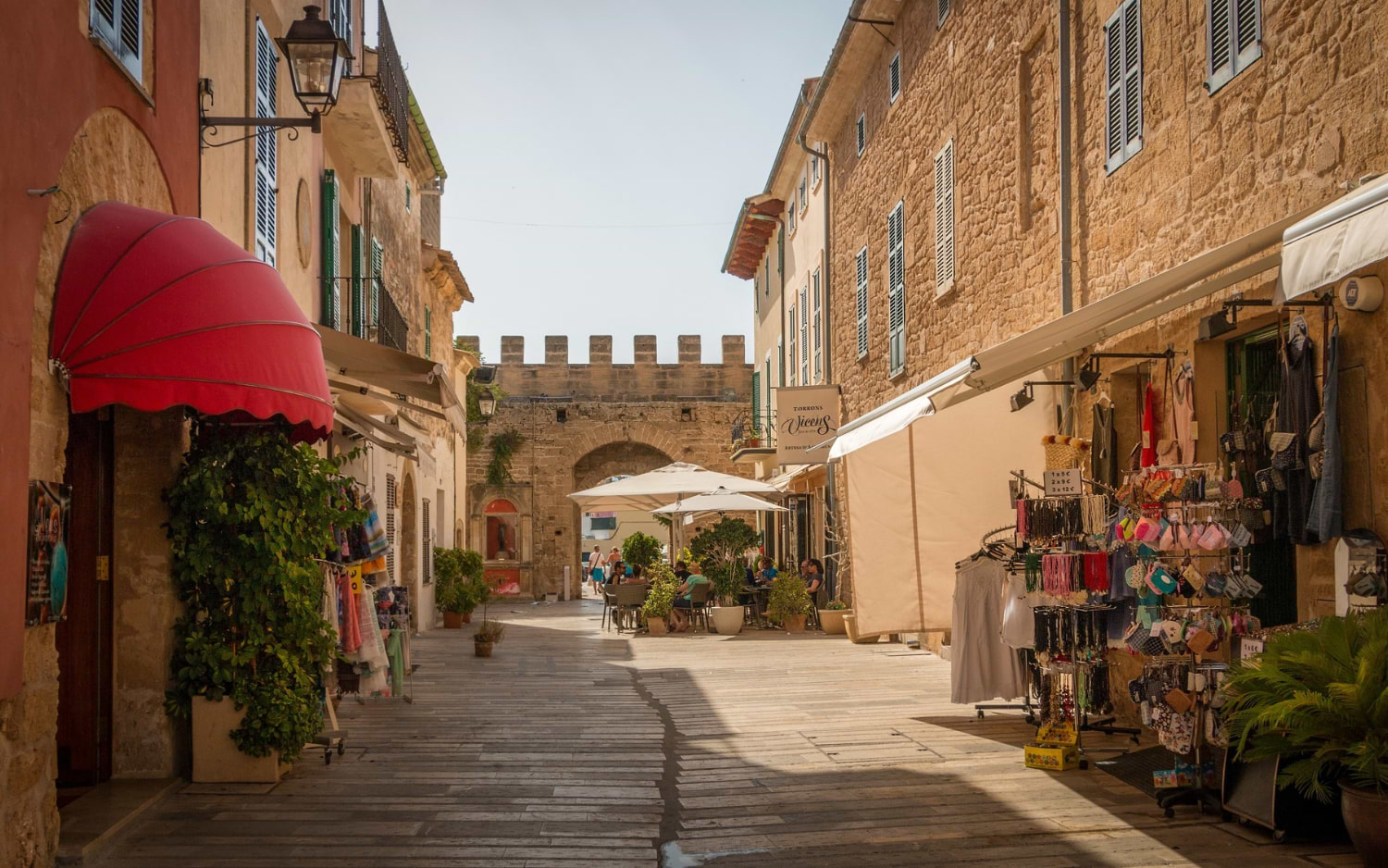
1. Wander the Mallorca Old Town (La Seu Quarter)
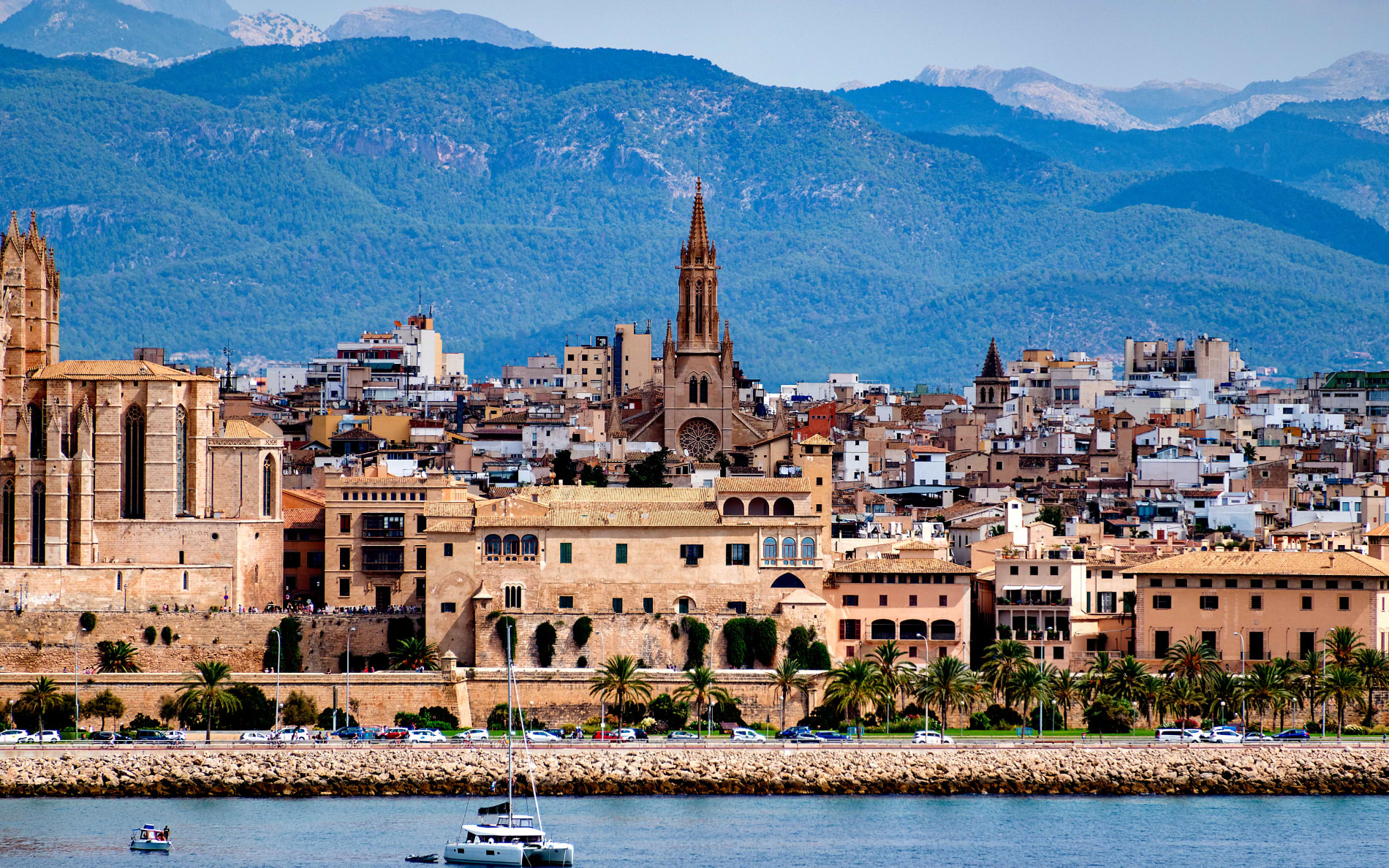
If there is one place you absolutely cannot skip, it is the Mallorca old town. The historic centre of Palma, often referred to by locals as La Seu (named after the famous cathedral that anchors it), is a wonderfully preserved labyrinth of narrow limestone streets, hidden courtyards, and medieval mansions. Getting genuinely lost here is one of the great pleasures of visiting Palma, because every wrong turn tends to reward you with something unexpected: a tucked-away square with a fountain, a beautifully weathered doorway framing a garden, or a tiny gallery showcasing local artists.
The architecture shifts as you move through different layers of the city's history, from Moorish-influenced buildings that predate the Spanish conquest to baroque palaces built during Palma's mercantile golden age. Wander along Carrer dels Botons and Carrer de la Llotja for some of the most photogenic stretches. Early morning is the ideal time to explore, before the tour groups arrive and while the golden light is still catching the honey-coloured stone. Wear comfortable shoes because the streets are mostly cobblestoned, and bring a small daypack so you can pop into shops and galleries as you go. Entry to the old town is free, and you can easily spend half a day here without covering everything.
2. Visit the Palma Cathedral (La Seu)
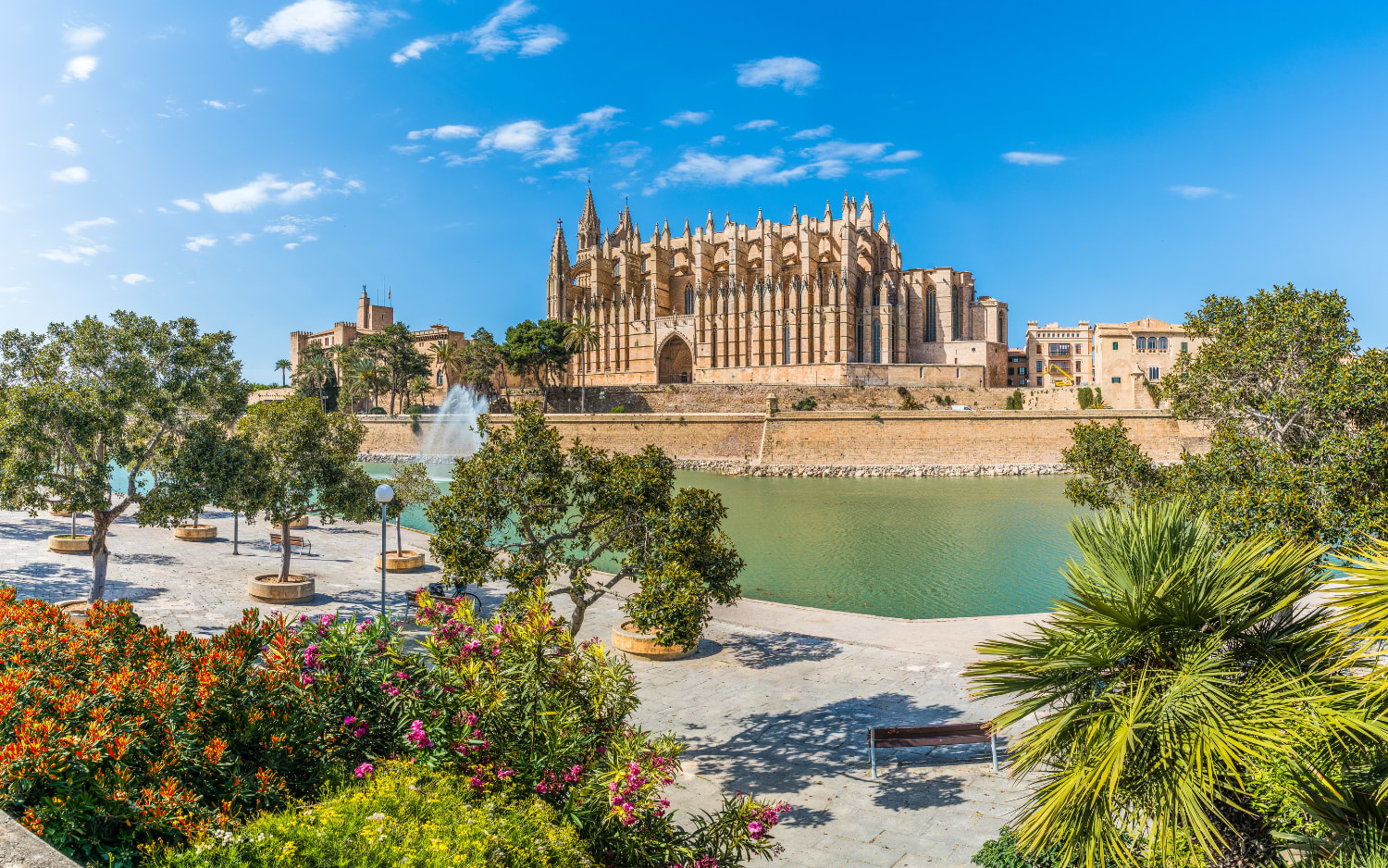
Standing on the seafront like something out of a Gothic fantasy, Palma Cathedral (La Seu) is one of the most striking buildings in all of Spain. Construction began in the thirteenth century and continued for several hundred years, which means the building holds layers of artistic history within its walls. The exterior alone, with its dramatic flying buttresses and honey-gold stone, is worth lingering over, but the interior is equally extraordinary.
What makes La Seu genuinely unusual compared to most Gothic cathedrals is the intervention by Antoni Gaudí, who was commissioned in the early twentieth century to reform parts of the interior. His contributions, including a wrought-iron canopy suspended above the high altar, sit in fascinating contrast to the medieval structure around them. There is also a striking installation by contemporary artist Miquel Barceló in the Chapel of the Blessed Sacrament, a vast ceramic mural covering the walls in flowing, organic forms. Entry costs around 8 euros for adults, and opening times vary by season, so check the official website before you go. The best light inside falls in the morning, when the rose window sends coloured light across the nave.
3. Spend a Day at Platgeta de Portals Vells
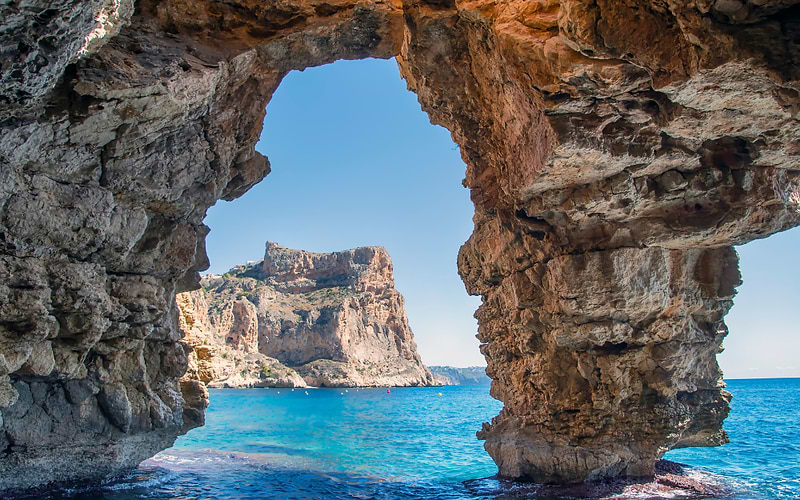
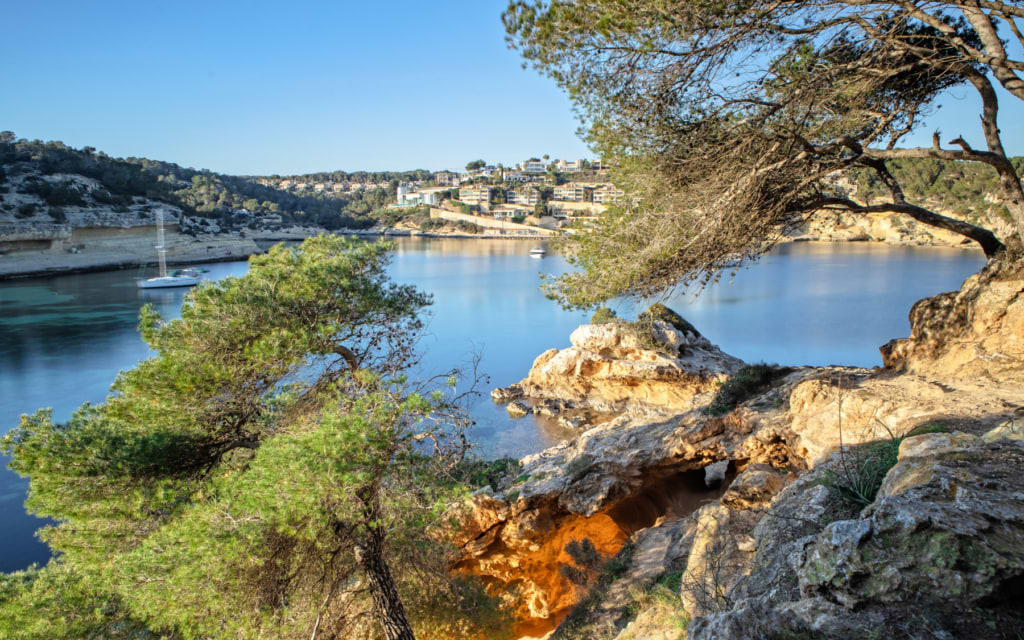
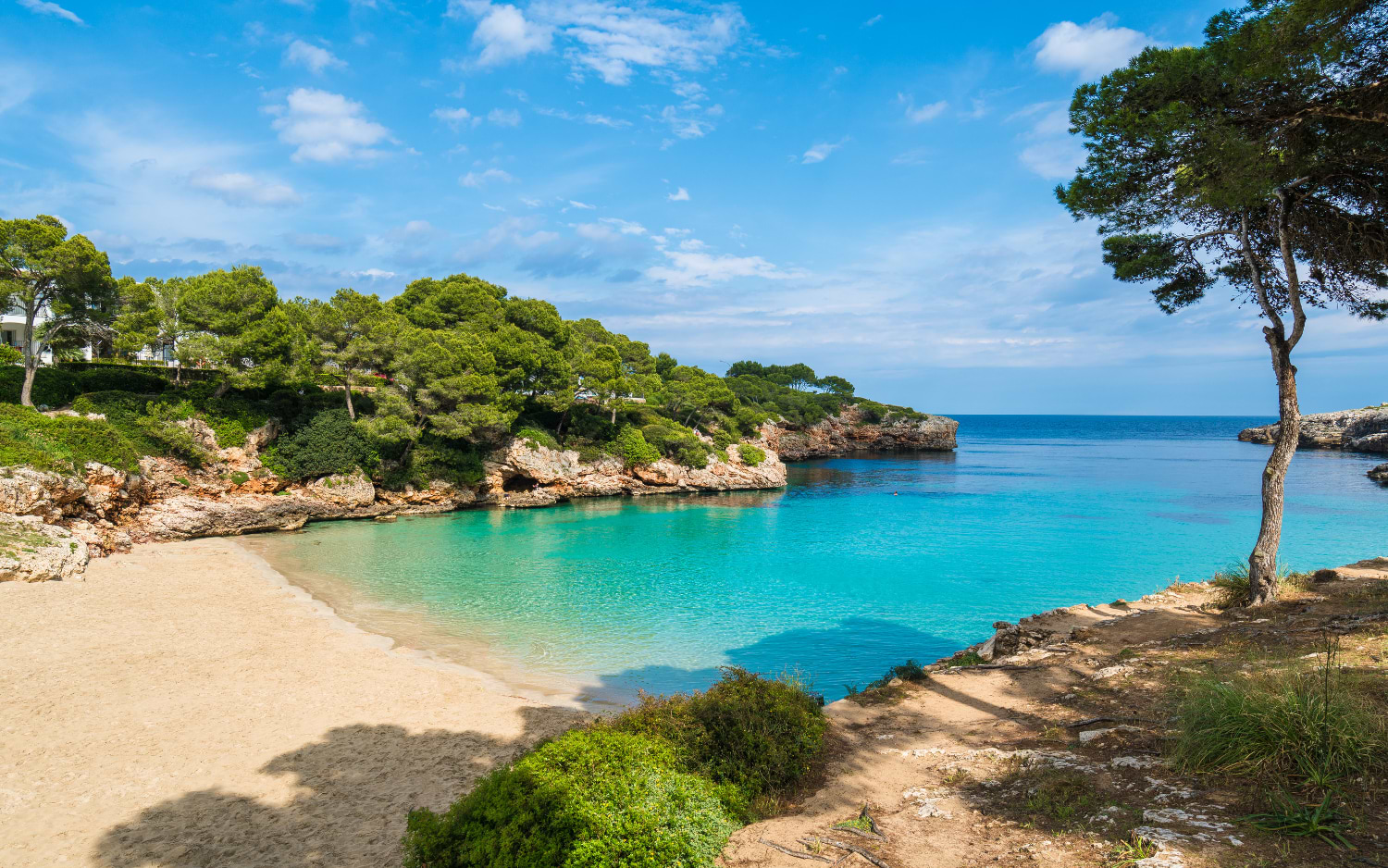
When people talk about the best beaches in Mallorca, they often default to the big, well-known ones. But among the genuine Palma de Mallorca hidden gems, few places come close to Platgeta de Portals Vells. Tucked into the southwest coast, this small cove is reached via a pine-forest track that keeps the crowds manageable even in peak summer. The water is the kind of turquoise you usually only see in holiday brochures, impossibly clear and calm, sheltered by limestone cliffs that glow warm in the afternoon sun.
The beach itself is small and pebbly-sandy, which means it never feels overwhelmingly packed. Beyond the swimming, it is worth exploring the ancient cave chapel carved directly into the cliffs nearby, believed to have been used by Genoese sailors centuries ago. There are no major facilities here, so bring your own water, snacks, and sun protection. A car or scooter is the most practical way to get there, as public transport to this part of the coast is limited. Arrive before 10am in summer if you want your pick of spots, and plan to stay through the afternoon when the light on the water is at its most magical. It is the kind of beach that makes you want to tell nobody about it.
The Leonardo Boutique Hotel Mallorca Port Portals sits in nearby Portals Nous, making it an ideal base for a day trip here. Book your stay now!
4. Explore the Fundació Miró Mallorca
For anyone with even a passing interest in modern art, the Fundació Miró Mallorca is one of the most rewarding cultural stops on the island. Joan Miró, the Catalan surrealist painter and sculptor, spent much of his later life in Mallorca and the foundation established in his honour preserves a remarkable collection of his work within a setting that suits his spirit perfectly. The building is an eighteenth-century mansion set within lush gardens, and the combination of art, architecture, and natural surroundings makes for an afternoon that feels genuinely special rather than just educational.
The permanent collection spans paintings, sculptures, drawings, and ceramics, covering the full arc of Miró's career and giving real insight into how his instantly recognisable visual language developed over time. Temporary exhibitions rotate regularly, so even repeat visitors tend to find something new. The garden sculptures are particularly lovely, and on a warm afternoon the outdoor spaces are as much of an attraction as the galleries themselves. Admission typically costs around 7 to 10 euros depending on the season and whether temporary exhibitions are running. The foundation is located in the Establiments area, a short drive from central Palma. Check the official website for current opening hours, as these shift seasonally.
5. Cycle the Bay of Palma Seafront
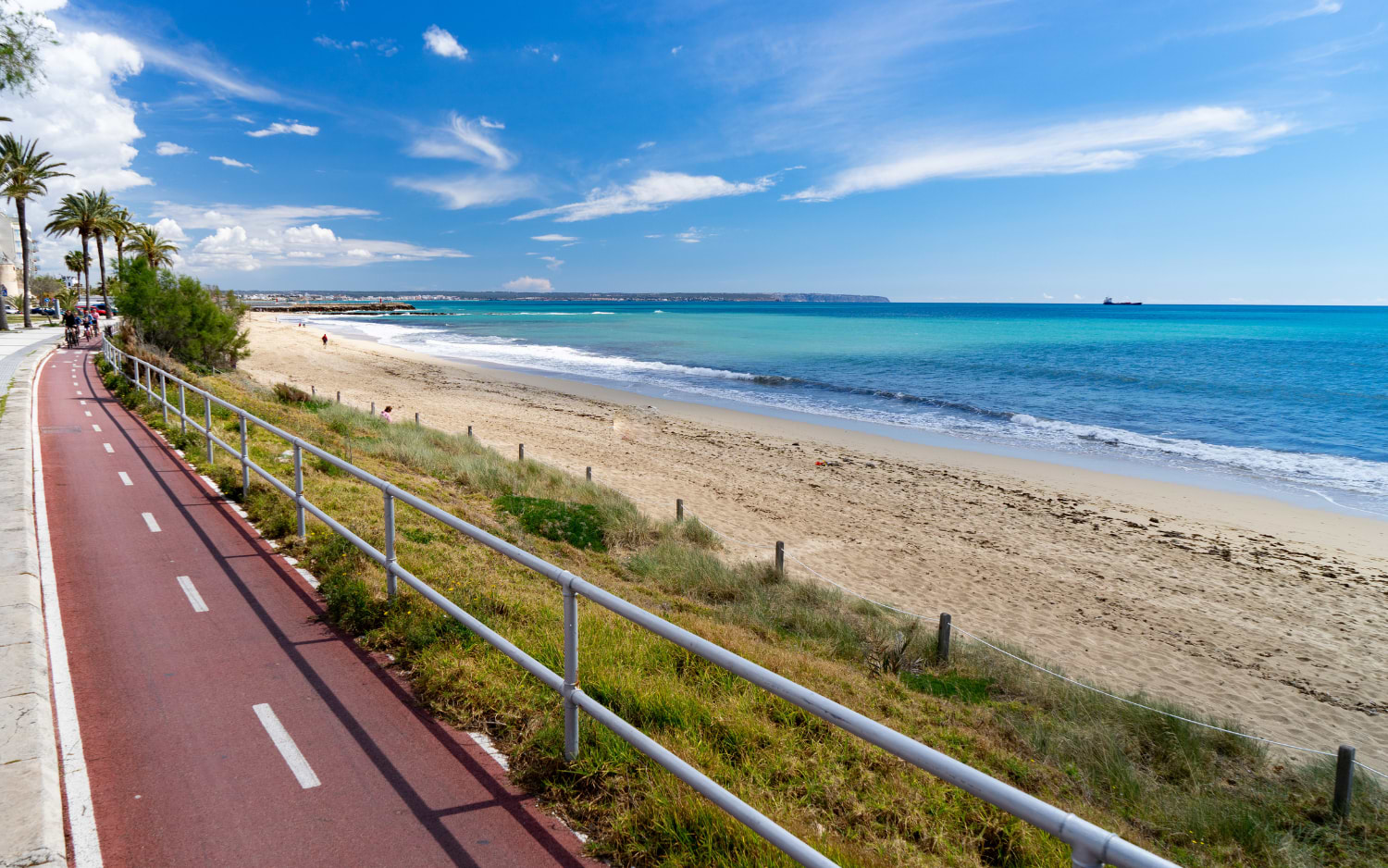
One of the most enjoyable ways to get a feel for the full sweep of Palma is to rent a bike and follow the seafront promenade that stretches along the Bay of Palma. The dedicated cycle path runs for several kilometres, taking you past the cathedral waterfront, the old fishing harbour of Portixol, and on towards the quieter residential neighbourhoods beyond. It is flat, well-maintained, and genuinely beautiful, with the sea on one side and a rotating cast of cafes, gardens, and viewpoints on the other.
Bike hire is widely available throughout Palma, typically starting at around 10 to 15 euros per day for a standard bicycle, with electric options available if you want to cover more ground without working too hard in the heat. Early morning is the best time to ride, both for the light and for avoiding the midday heat of a Mallorcan summer. The route is suitable for most fitness levels, and you can extend or shorten it easily depending on how much time you have. A pair of sunglasses, a water bottle, and sunscreen are essential kit. Lock your bike whenever you stop, as bike theft does occur in busy coastal areas.
6. Take a Boat Trip to Sa Dragonera Natural Park
A short ferry from the small harbour at Sant Elm, on Mallorca's western tip, takes you to Sa Dragonera, an uninhabited island shaped, as the name suggests, roughly like a dragon. The island is a protected natural park and a designated UNESCO Biosphere Reserve, home to abundant lizard populations, nesting seabirds including Eleonora's falcons, and walking trails that offer extraordinary views back across to the mainland of Mallorca.
Boat trips to Sa Dragonera typically run between April and October, with multiple departures daily during the summer months. The crossing takes around fifteen minutes and costs roughly 15 to 20 euros return per person, depending on the operator. On the island itself, there are a couple of well-marked hiking routes ranging from easy coastal walks to steeper climbs up to the old lighthouses at either end. There are no permanent facilities on the island, so bring your own food, plenty of water, and a hat. Snorkelling around the island's rocky shores is excellent if you bring your own mask and fins. It is the kind of off-the-beaten-track experience that sits at the heart of any good Mallorca travel guide.
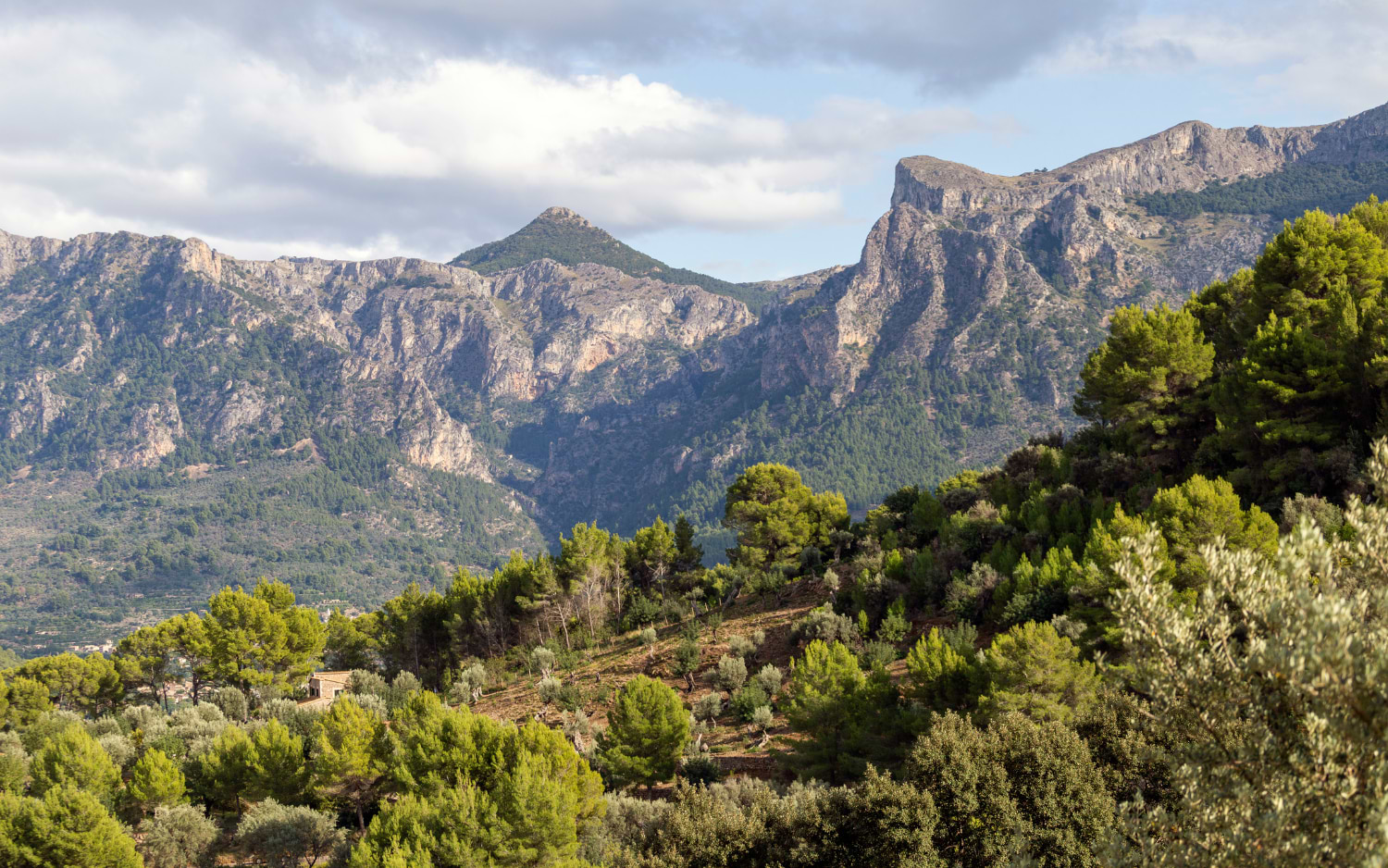
7. Hike in the Serra de Tramuntana
The Serra de Tramuntana mountain range runs the entire length of Mallorca's northwest coast and was designated a UNESCO World Heritage Site in 2011, recognised for its remarkable cultural landscape of terraced olive groves, traditional stone villages, and ancient pilgrims' paths. For walkers, it is one of the genuinely great hiking destinations in the Mediterranean.
Routes range from gentle valley walks suitable for beginners to serious multi-hour ascents like the climb to Puig de Massanella, the highest accessible peak on the island at just over 1,300 metres. The most famous long-distance route, the GR 221 or Dry Stone Route, runs for around 150 kilometres from Andratx to Pollença, passing through villages like Deià, Valldemossa, and Sóller. You do not need to walk the whole thing: picking a single day section is a perfectly satisfying way to experience the landscape. Spring and autumn are the best seasons for hiking here; summer temperatures at altitude can be extreme, and several trails become uncomfortably hot by mid-morning in July and August. Good walking boots, sun protection, and plenty of water are non-negotiable.
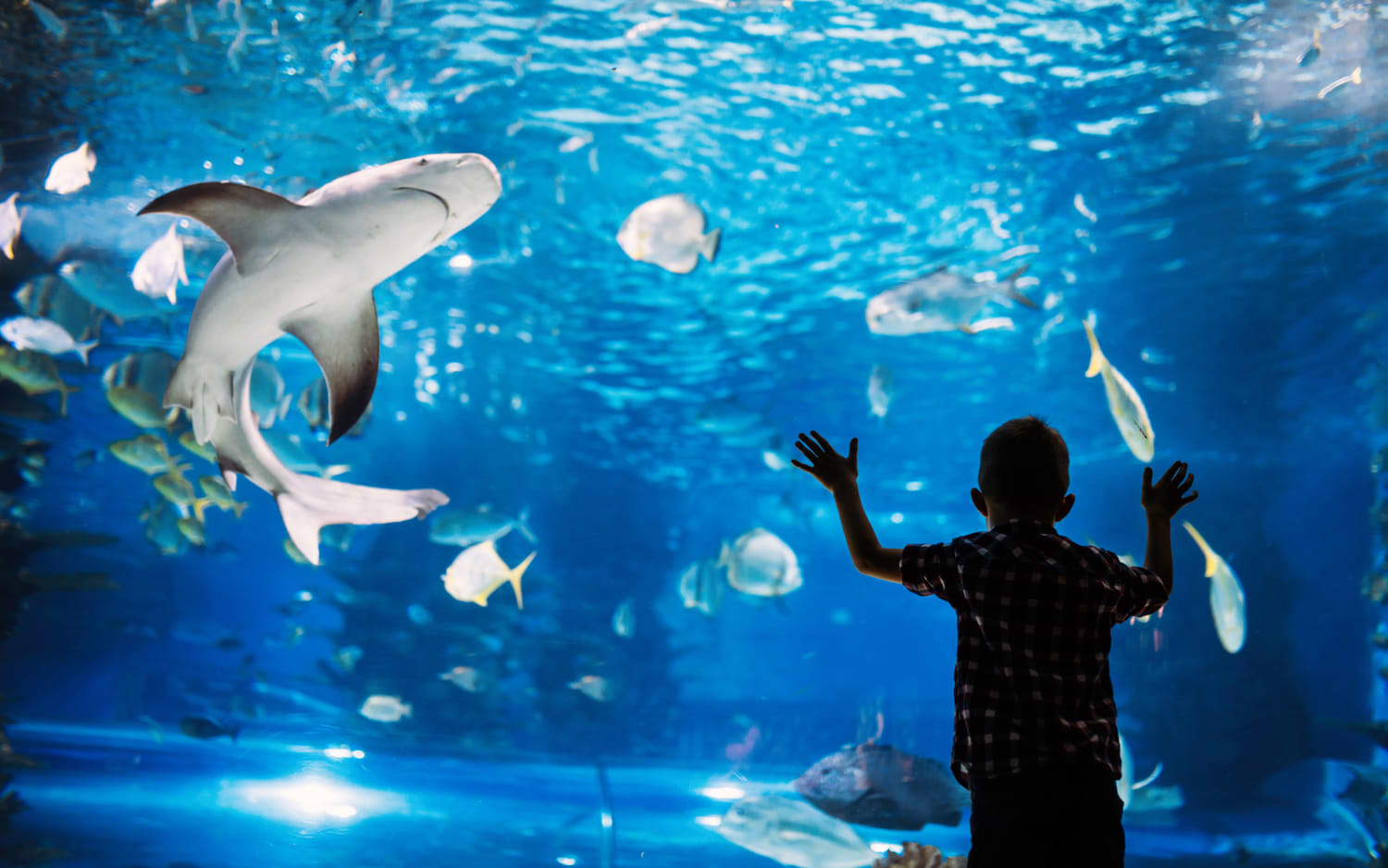
8. Discover the Palma Aquarium
A brilliant option for a change of pace, the Palma Aquarium is located just east of the city centre near Playa de Palma and houses one of the largest and deepest shark tanks in Europe. The aquarium holds over 700 species of marine life from the Mediterranean, Atlantic, Red Sea, and Indian Ocean, making it both an educational and genuinely impressive attraction for adults and younger visitors alike.
The shark tunnel, where you walk through an underwater glass corridor with various species of shark swimming directly overhead, is the standout experience. There are also jellyfish displays, tropical reef tanks, and a dedicated zone focused on Mediterranean ecosystems. Outside, the grounds include a small tropical garden and picnic areas. Admission is around 23 to 27 euros for adults depending on the season, with discounts for children, so it is worth booking online in advance to avoid queues and sometimes access slightly reduced rates. It is open daily throughout most of the year, though hours are shorter in winter. Plan to spend at least two to three hours here to see everything properly.
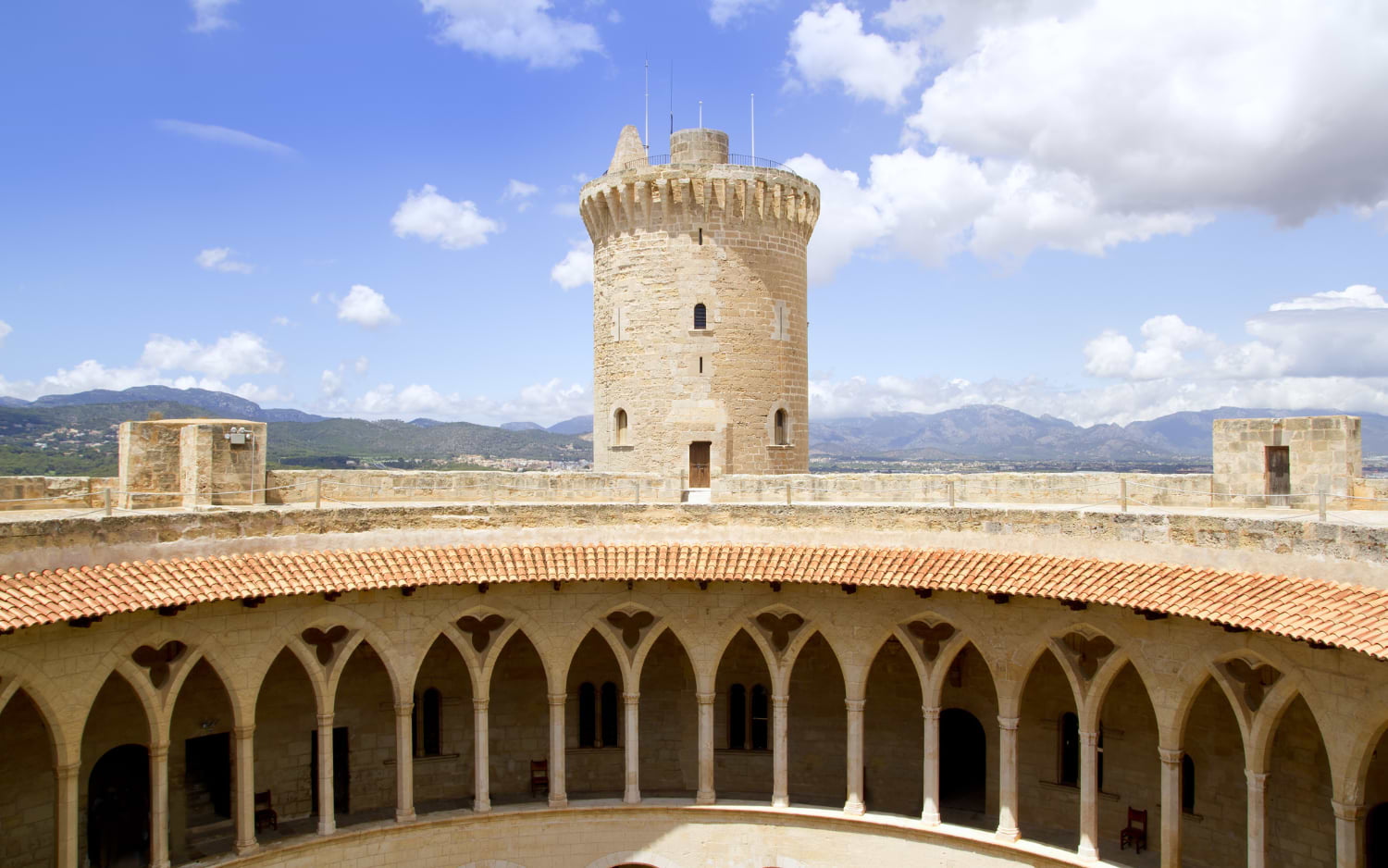
9. Visit Bellver Castle
Perched on a pine-covered hill overlooking Palma and the Bay of Mallorca, Bellver Castle is one of the most unusual Gothic castles in Europe and a Palma de Mallorca hidden gem that many visitors do not get around to. Built in the early fourteenth century, it is remarkable for its perfectly circular design, with a round tower connected by a Gothic arch bridge to the main circular keep. It is one of only a handful of round Gothic castles anywhere in the world.
Inside the castle, the History of Palma Museum charts the city's development from its ancient roots through to modern times, with a solid collection of Roman sculptures and architectural fragments. The real draw, though, is the rooftop terrace: on a clear day, the views across the bay and towards the old town are absolutely extraordinary. Entry costs around 4 euros for adults (free on Sundays), and it is about a 20-minute walk uphill from central Palma through pleasant pine woodland, or a short taxi or bus ride. Visit in the late afternoon if you can, because the light over the bay at that hour is particularly beautiful.
10. Snorkel or Dive at Cala Vines
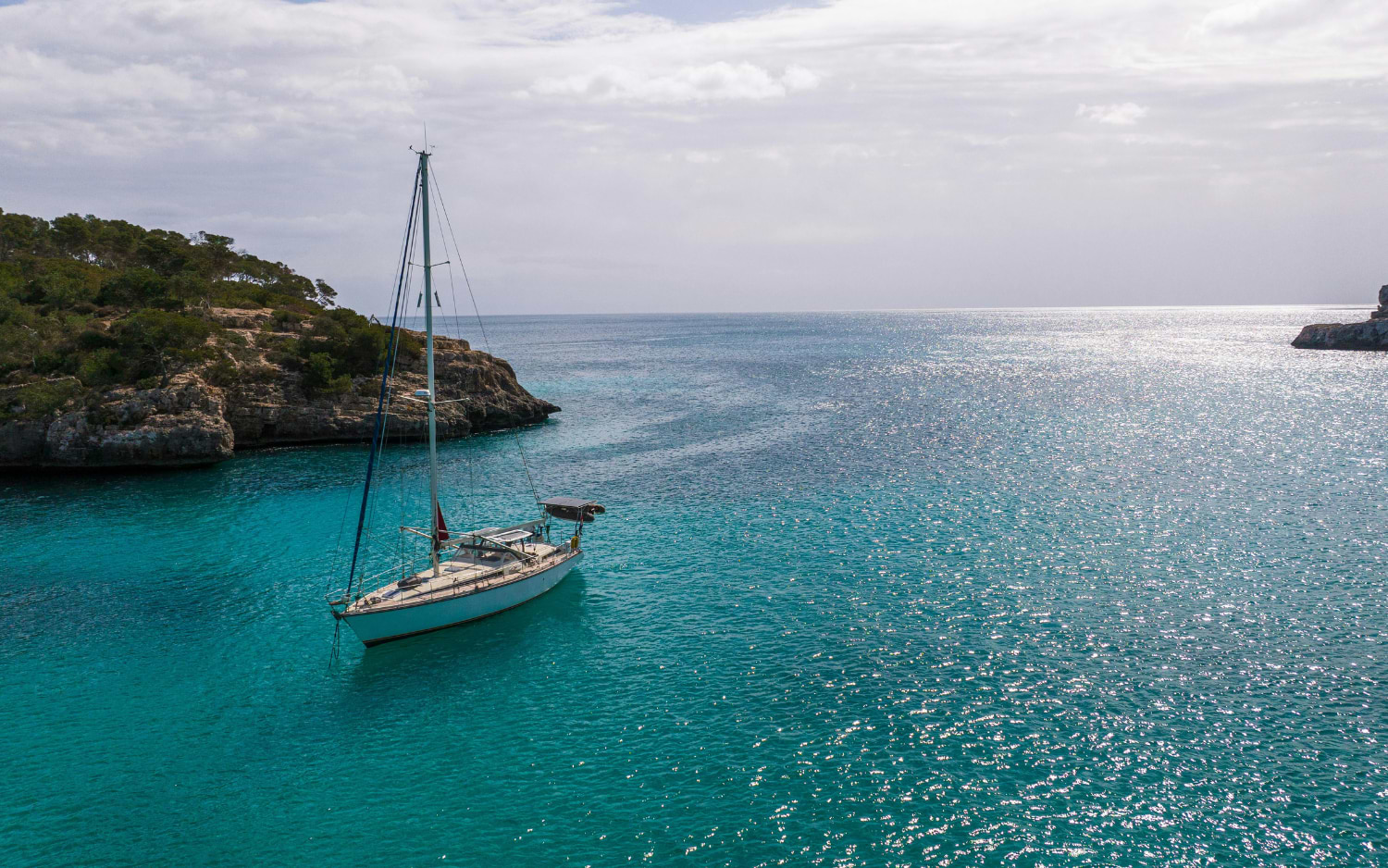
While the big beach resorts have their appeal, the most memorable underwater experiences in Mallorca tend to be found in smaller, quieter coves. Cala Vines, on the western coast near Camp de Mar, is one such spot: a calm, sheltered bay with excellent visibility and a rocky seabed that supports a healthy variety of Mediterranean marine life. Octopus, sea bream, damselfish, and the occasional moray eel are common sightings for snorkellers, and the bay's natural shelter means conditions are suitable even for complete beginners.
Several dive schools operate in the surrounding area and offer guided dives for certified divers as well as introductory dives for those with no experience, typically in the 50 to 90 euro range per session. Snorkel equipment can be hired locally or purchased cheaply in most resort towns. The best snorkelling is along the rocky edges of the cove rather than in the sandy centre, so work your way around the perimeter once you are in the water. Mornings offer the best visibility before any afternoon wind picks up.
11. Spend a Morning at the Mercat de l'Olivar
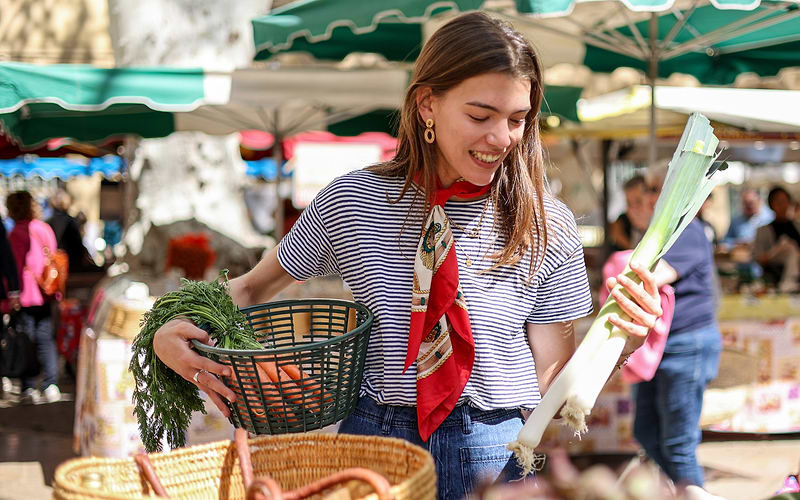
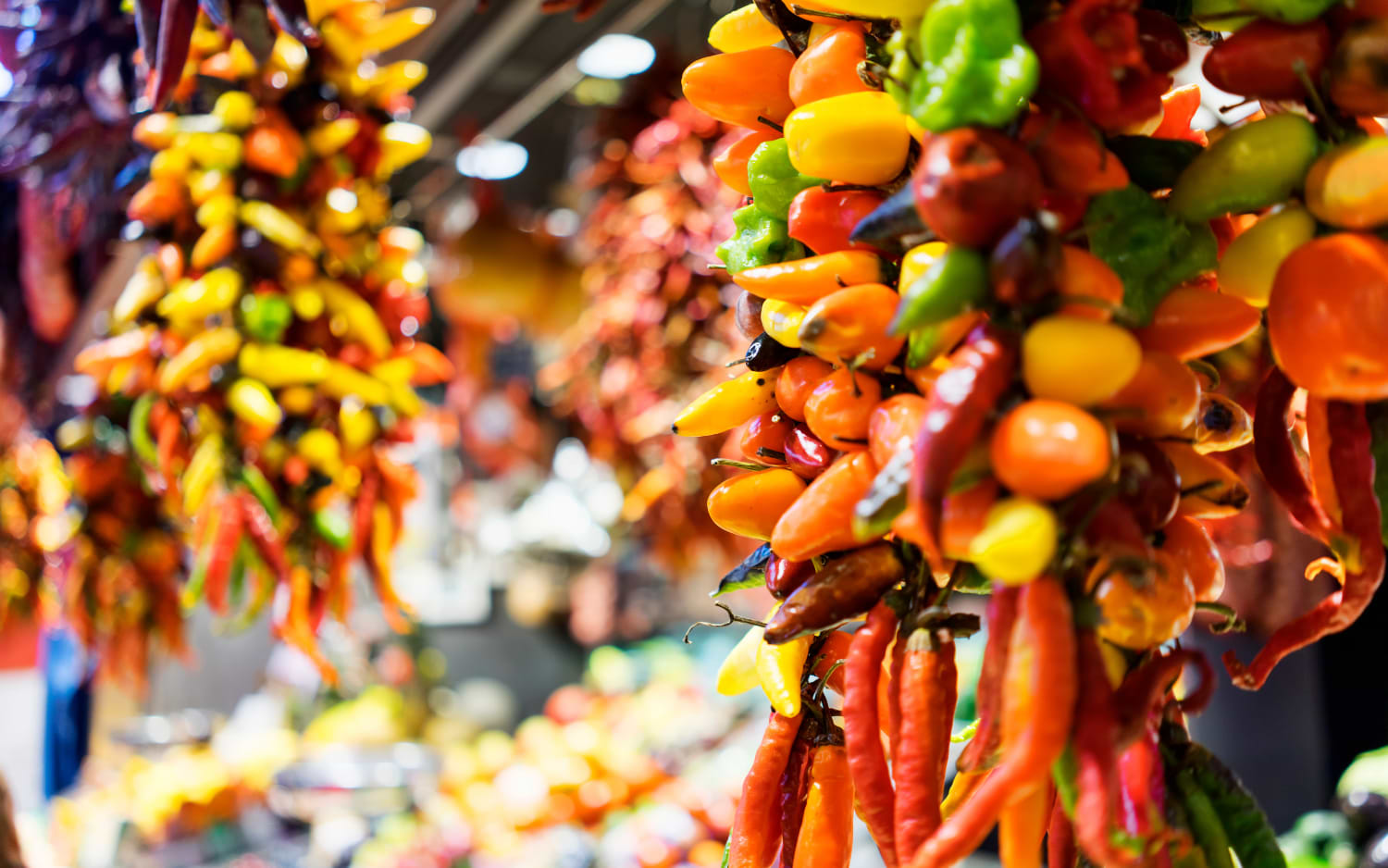
Mercat de l'Olivar in central Palma is the city's largest covered market, and even with the food stalls set aside, it offers a fascinating window into everyday Mallorcan life. The market occupies a striking mid-twentieth century building with beautiful tiled facades and a lively atmosphere that feels authentically local rather than touristy. It is an ideal spot for picking up local handicrafts, artisan goods, and souvenirs with genuine provenance, from hand-painted ceramics to local olive oil and Mallorcan leather goods.
Beyond shopping, simply wandering through the market and taking in the colour and noise is an experience in itself. The flower stalls at the entrance are particularly photogenic, and the architecture of the building rewards a slow look around rather than a quick pass-through. The market is open Monday to Saturday, generally from around 7am to 2pm, with some variation depending on the section. It sits centrally and is easily reached on foot from most parts of the old town. Combine it with a broader old-town wander for a well-rounded morning.
12. Take a Vintage Train to Sóller
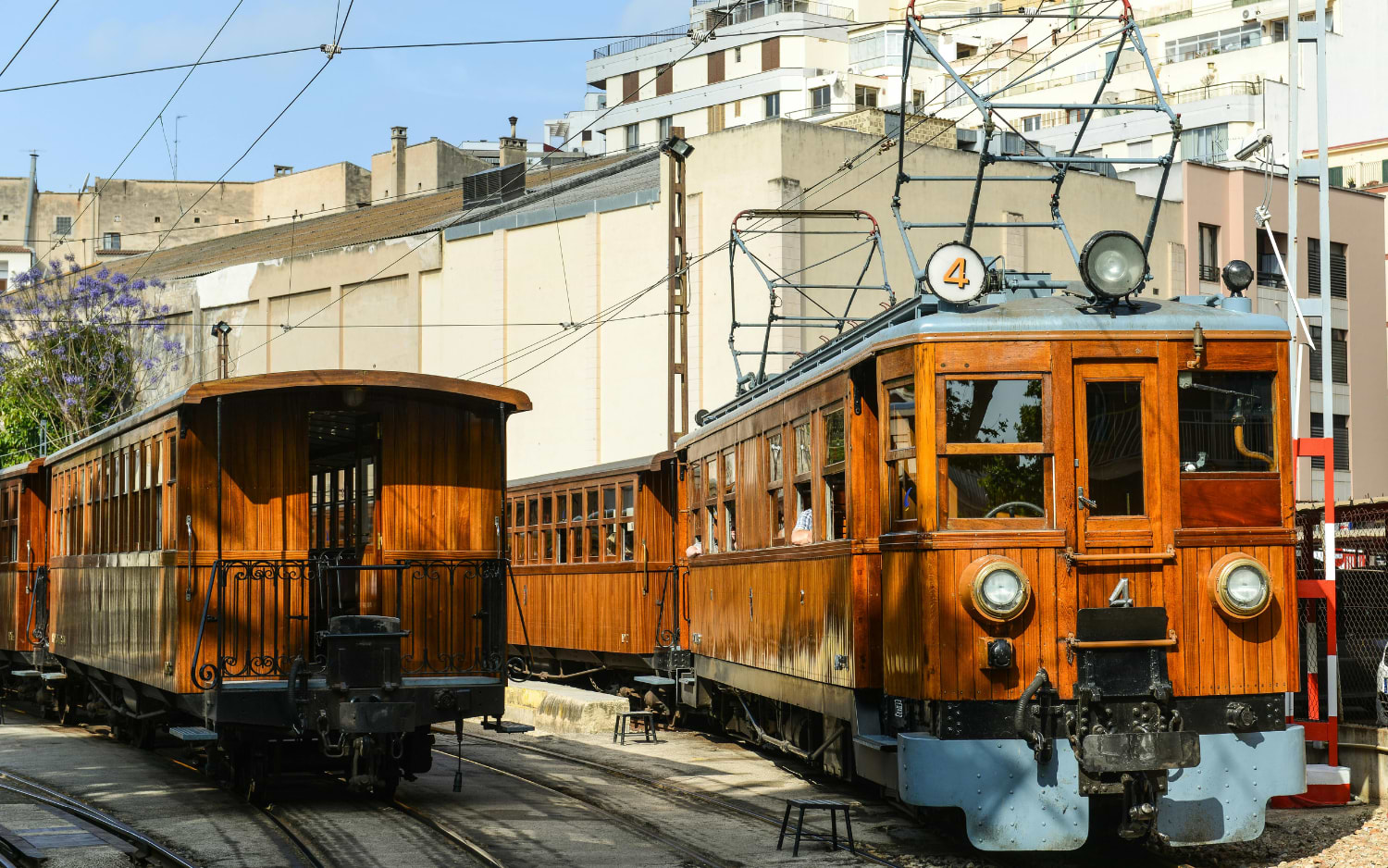
One of the most charming and genuinely fun things you can do from Palma is board the Ferrocarril de Sóller, a vintage narrow-gauge wooden train that has been running through the mountains since 1912. The journey from Palma to Sóller takes about an hour, winding through the Serra de Tramuntana via tunnels and viaducts, with views that are frankly extraordinary: terraced hillsides, ancient olive groves, and the occasional glimpse of the deep blue sea far below.
The train departs from Plaça d'Espanya in central Palma, and tickets cost around 20 euros for a single journey or 30 euros return, with the option to continue from Sóller town down to the pretty Port de Sóller via a separate vintage tram. Sóller itself is a beautifully preserved market town with excellent walking in the surrounding valley and a charming central square. Book your train tickets in advance during summer, as the service fills up quickly, particularly on morning departures. The train runs daily year-round, though with a reduced schedule outside the summer season.
13. Explore the Palmanova Coastline
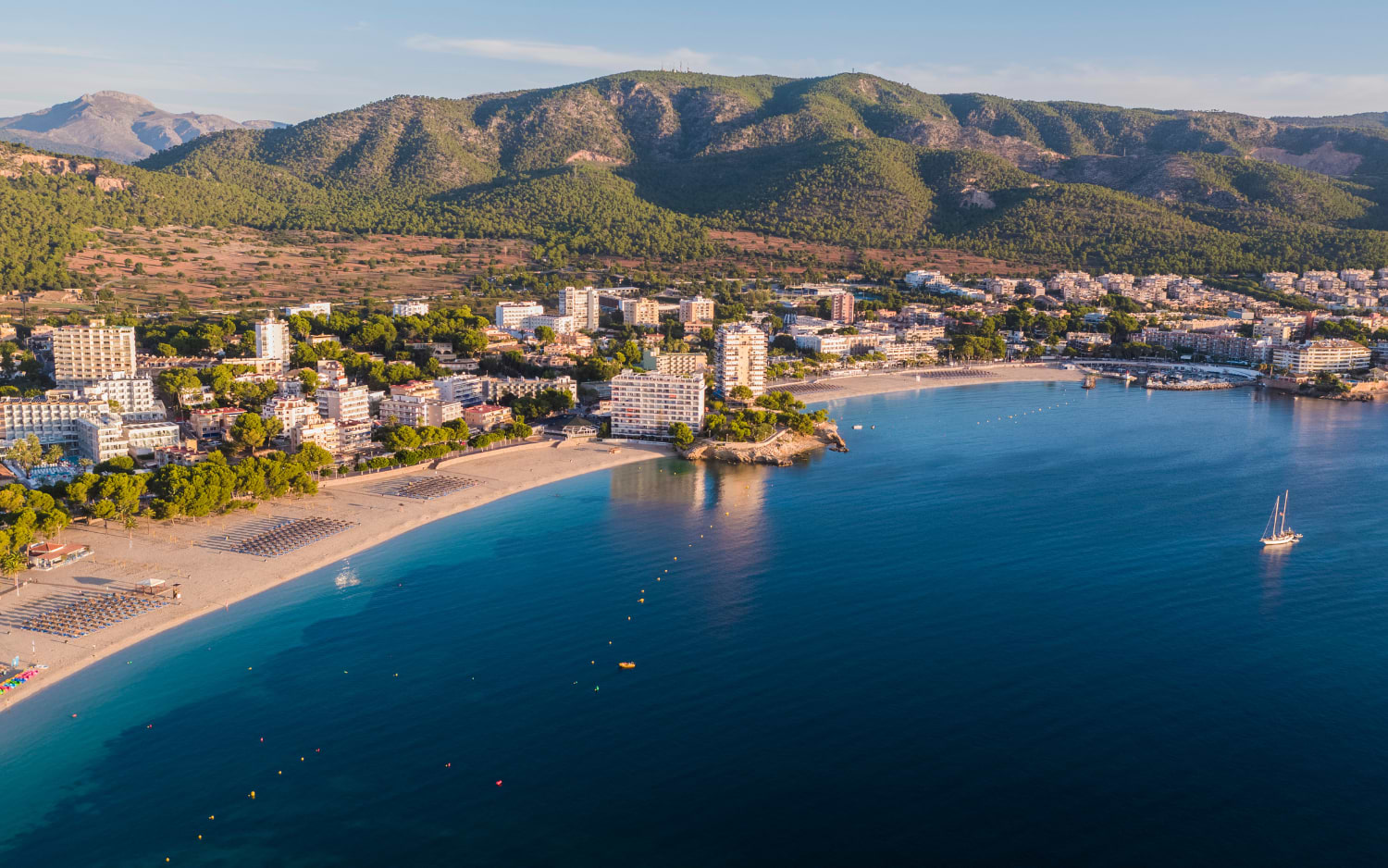
Palmanova is a relaxed, family-friendly resort area a short drive west of central Palma, and it offers a genuinely pleasant stretch of coastline that tends to be a little calmer than the bigger resorts nearby. The bay is sheltered and the water is clear, with a long promenade that is ideal for an evening walk as the light fades over the sea. The Palmanova hotel scene here is well-established, and the Leonardo Royal Hotel Mallorca sits right at the heart of it, making this corner of the island an excellent base for exploring the wider Palma area. Book now and get 10% off!
From Palmanova, you can walk or cycle along the coast towards Magaluf in one direction, or head west along quieter roads towards Portals Nous and the upmarket Port Portals marina. The marina itself is worth a visit for the boats alone, and the waterfront has a relaxed, cosmopolitan atmosphere that feels quite different from the more commercial stretches of coastline nearby. Water sports hire, including paddleboards and kayaks, is available along the Palmanova beach front throughout the summer season.
14. Visit the Banys Àrabs (Arab Baths)
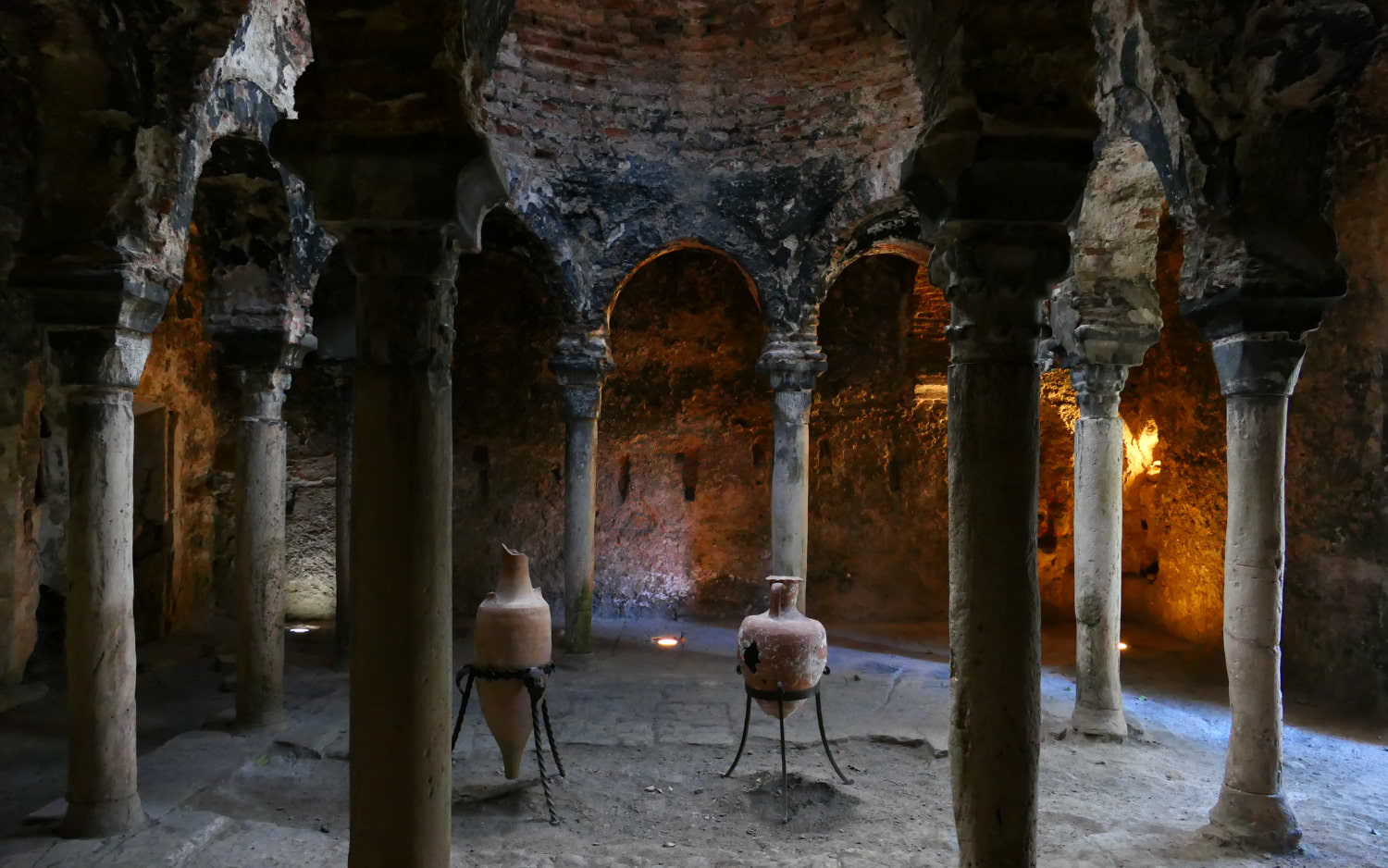
Tucked into a quiet corner of Palma's old town, the Banys Àrabs (Arab Baths) are among the best-preserved examples of Moorish architecture in the Balearic Islands. Dating from the tenth or eleventh century, they were built during Palma's time as the Moorish city of Madina Mayurqa, and they offer a tangible connection to the pre-Christian history of the island that most visitors barely know about.
The baths consist of a central domed chamber supported by columns, some of which were recycled from earlier Roman buildings, and a series of smaller adjoining rooms that would have served different temperature zones in the traditional hammam style. The site is small but genuinely atmospheric, particularly when the morning light falls through the oculi in the dome. Entry is inexpensive at around 2.50 euros, and the small garden courtyard outside is a lovely place to sit quietly for a few minutes after viewing the interior. It is located on Carrer de Can Serra and takes no more than twenty to thirty minutes to visit properly. Combine it with the nearby Palau de l'Almudaina, the royal palace built on the site of an earlier Moorish fortress, for a fuller picture of Palma's pre-Gothic history.
15. Watch the Sunset from Cap de Cala Figuera
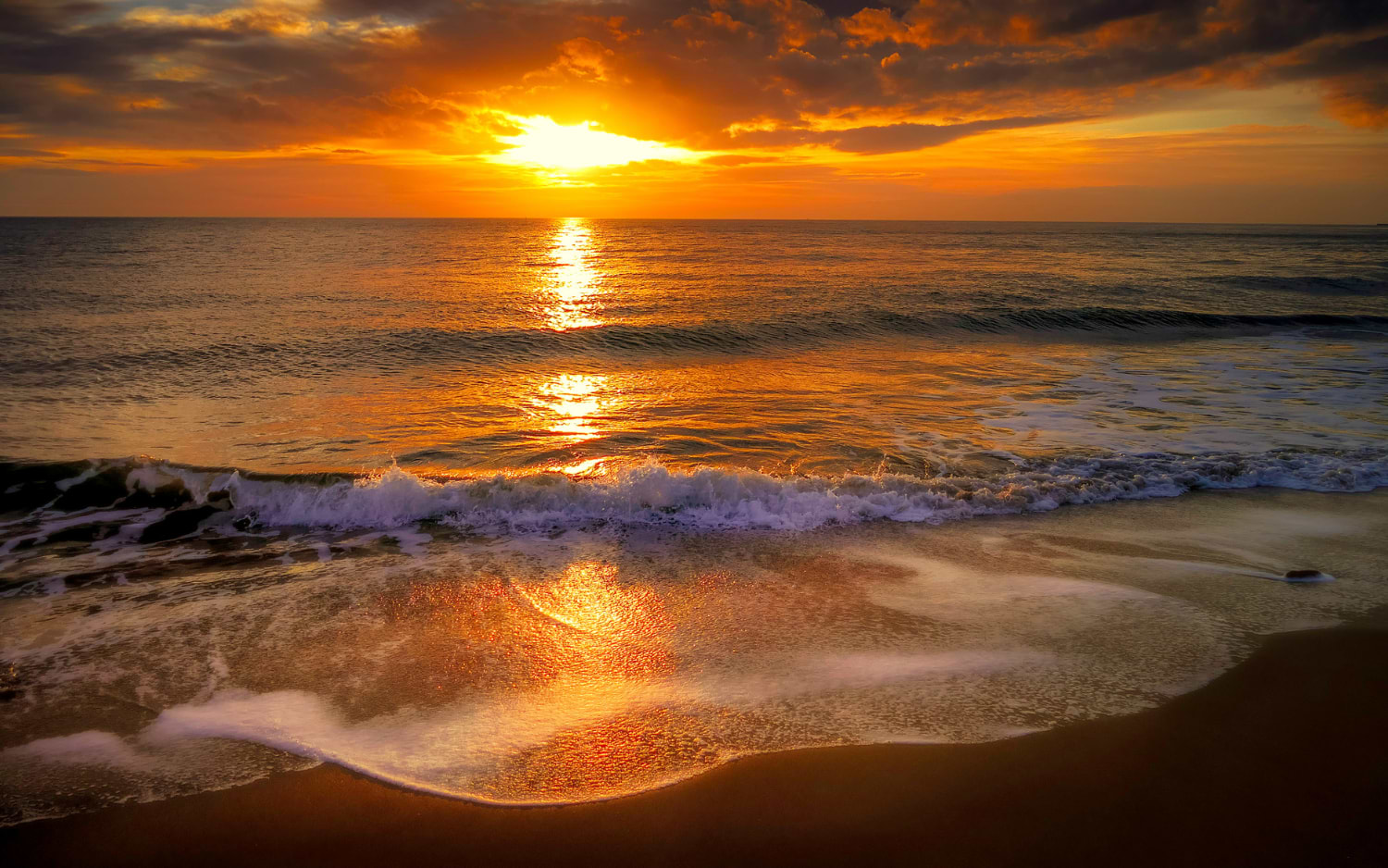
Every Mediterranean island has its sunset spots, but few are as consistently rewarding as Cap de Cala Figuera, the rocky headland at the southernmost tip of the Bay of Palma. A lighthouse marks the point, and a walking track along the cliff edge gives you unobstructed views out across the open sea, back towards Palma's skyline, and along the coast in both directions. On a clear evening, the colours here, deep orange, rose, and eventually a deep indigo that seems to spread from the horizon upwards, are genuinely breathtaking.
To get there, drive towards the small residential area of Cala Figuera (not to be confused with the village of the same name on the southeast coast) and follow signs for the lighthouse. Parking is available nearby, and the cliff walk is easy and flat, suitable for most people. There is almost no infrastructure here, which is a big part of the appeal: no crowds, no entrance fee, just the sea and the sky. Bring a layer in spring and autumn as the temperature drops quickly once the sun is down.
Leonardo Boutique Hotel Mallorca Port Portals makes for a perfect base in Port Portals. Book now and get 10% off!
Frequently Asked Questions
What is the best time of year to visit Palma de Mallorca?
Late spring (May to June) and early autumn (September to October) are generally the best times to visit Palma de Mallorca. The weather is warm and sunny, the sea is comfortable for swimming, and the island is significantly less crowded than in peak July and August. Prices for accommodation and flights are also more reasonable in the shoulder months. Winter is mild compared to much of Northern Europe and is ideal if you want a quieter, city-focused trip.
How many days do you need in Palma de Mallorca?
A minimum of four to five days gives you enough time to explore the city centre properly, visit at least two or three beaches or coves, and fit in a day trip such as the vintage train to Sóller or a hike in the Tramuntana. To see the island more fully, including the northwest coast villages and the quieter eastern beaches, a week to ten days is more realistic. Most visitors find that Mallorca expands to fill whatever time they give it.
Is Palma de Mallorca good for a couples' trip?
Absolutely. Palma works extremely well for couples, combining romantic architecture and cultural attractions in the old town with beautiful beaches, good walking, and a lively evening atmosphere. For couples looking for something more peaceful and upscale, the Leonardo Boutique Hotel Mallorca Port Portals, an adult only hotel in Mallorca, offers a genuinely relaxed base close to the yacht-lined harbour of Port Portals and some of the quietest beaches on the southwest coast.
What are the best beaches near Palma de Mallorca?
Some of the best beaches near Palma include Platgeta de Portals Vells for seclusion and beauty, Cala Major for easy accessibility from the city, Playa de Palma for a classic long sandy stretch, and Cala Portals Vells for clear water and dramatic cliff surroundings. If you are staying on the western side of the Bay of Palma, the beach at Palmanova is calm and convenient. The best beaches in Mallorca further afield, particularly on the north and east coasts, are worth the drive for a day trip.
Is Palma de Mallorca easy to get around without a car?
The city centre of Palma itself is very walkable, and the public bus network (EMT) covers most of the urban area well. For beaches and attractions outside the city, a hire car gives you considerably more freedom, particularly for hidden coves like Portals Vells that are difficult to reach by public transport. Taxis and ride-hailing apps are available throughout the island, and the vintage train to Sóller is a delightful car-free option for that particular excursion.
Conclusion
Palma de Mallorca has a way of getting under your skin: it is a Mediterranean island vacation with real substance, where extraordinary art, ancient history, dramatic landscapes, and genuinely beautiful coastline come together in a place that is surprisingly easy to explore. Whether you spend your time in the old town, out on the water, or hiking through the mountains, there is always something worth getting up early for here.
Ready to explore the beauty of Palma Island? Start your journey by finding the perfect hotel with Leonardo Hotels. Enjoy luxury, comfort, and convenience at the heart of paradise. Book now!
Find your next hotel in Mallorca, Spain