Best Museums in Milan: 10 Unmissable Cultural Stops for Every Traveller
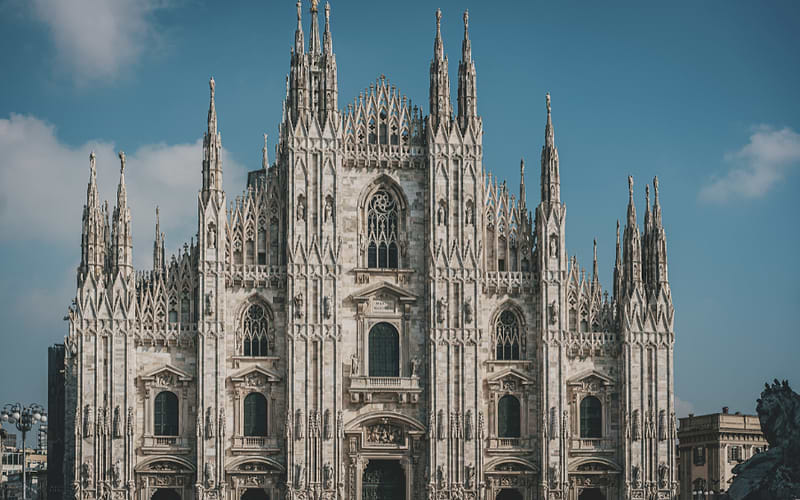
When most people think of Milan, they picture catwalks, aperitivo hour, and the Duomo's spires catching the afternoon light. Fair enough. But if you dig a little deeper, you'll find that this city is one of Europe's most rewarding museum destinations. The best museums in Milan range from Renaissance collections to cutting-edge contemporary art spaces, from a science museum that would keep Leonardo da Vinci himself entertained for days, to fashion archives that trace the evolution of Italian style.
Whether you're a first-time visitor trying to figure out which museums in Milan deserve a spot on your itinerary, or you're coming back for a deeper dive into the city's cultural treasures, this guide has you covered. We're going through ten of the finest museums the city has to offer, complete with practical details, honest opinions, and a few tips you won't find in every guidebook. Grab a coffee (the Milanese way, standing at the bar), and let's get into it.
Travelling to Milan on a budget? Check out our article about Top 15 Free Things to Do in Milan and save big!
The best museums in Milan include:
- Pinacoteca di Brera – best for Renaissance art
- Leonardo da Vinci Science Museum – best for interactive exhibits
- Santa Maria delle Grazie (The Last Supper) – most iconic cultural experience
- Museo del Novecento – best for modern Italian art
- Fondazione Prada – best for contemporary art
- Castello Sforzesco Museums – best all-round cultural complex
The 10 Best Museums in Milan
1. Pinacoteca di Brera
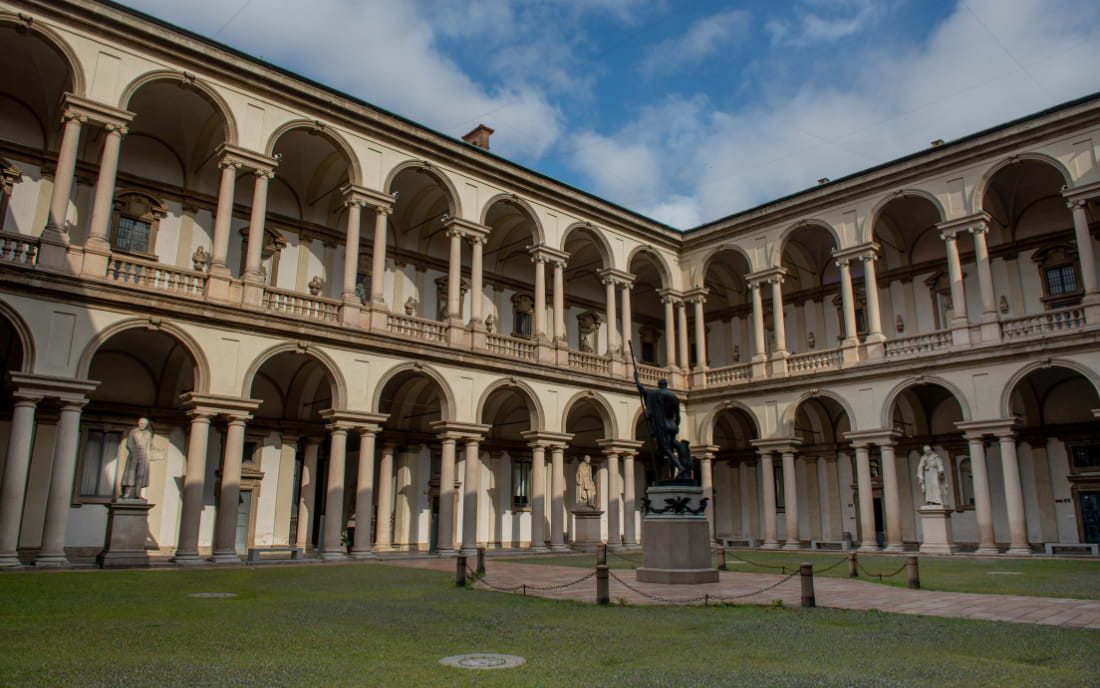
If you visit only one art museum in Milan, make it this one. The Pinacoteca di Brera sits in the heart of the elegant Brera district, housed inside a grand 17th-century palazzo that was originally a Jesuit college. It's home to one of Italy's most important collections of Italian painting, and walking through its rooms feels like flipping through the greatest chapters of art history, from the medieval period right through to the 20th century.
The collection is renowned for its Renaissance and Baroque holdings. You'll find yourself standing in front of Mantegna's Dead Christ, one of the most captivating paintings in Western art, with its dramatic foreshortening that seems to pull you into the canvas. Raphael's Marriage of the Virgin is another standout; the colours are impossibly luminous, and the architectural perspective in the background is masterful. Works by Caravaggio, Bellini, Tintoretto, and Hayez round out a collection that could rival galleries twice its size.
For art lovers planning a visit, Brera gallery tickets can be purchased online in advance, which is highly recommended, especially during peak tourist months. Standard admission is around €15, with reductions for EU citizens aged 18 to 25. The gallery is open Tuesday to Sunday, and Thursday evenings offer extended hours, which is a lovely way to experience the paintings with fewer crowds and softer light streaming through the windows.
Insider tip: after your visit, wander through the Brera neighbourhood itself. The streets around the gallery are lined with independent bookshops, small galleries, and some of the best cocktail bars in the city. It's the perfect spot to decompress after a few hours of serious art appreciation.
2. Museo Nazionale della Scienza e della Tecnologia Leonardo da Vinci
The Leonardo da Vinci Science Museum is the largest science and technology museum in Italy, and it absolutely lives up to the reputation. Housed in a former Olivetan monastery near the Basilica of Sant'Ambrogio, the building alone is worth the trip. But what's inside is even better.
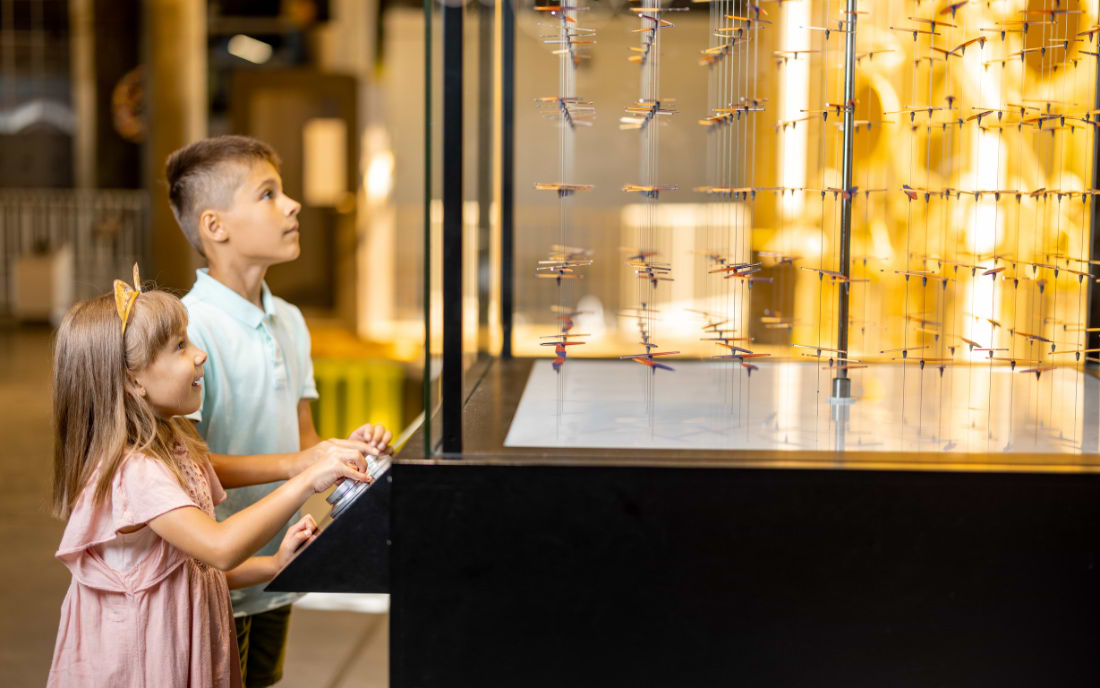
The museum covers a staggering range of subjects. You'll find exhibitions on aerospace (including a real submarine you can walk through), transport, energy, communication, and materials science. But the crown jewel is the Leonardo da Vinci Gallery, which showcases wooden models built from Da Vinci's original sketches and codices. These models bring his genius to life in a way that looking at drawings on a page simply cannot. You'll see his designs for flying machines, military fortifications, hydraulic systems, and mechanical devices, all meticulously reconstructed.
Is the Leonardo da Vinci Museum worth visiting? Without question. It's engaging for adults and children alike, with interactive laboratories where visitors can experiment with robotics, biotechnology, and physics. Plan for at least two to three hours; there's simply too much to see in a quick visit. Tickets cost around €10 for adults, with reduced prices for young people. The museum is open every day except Monday.
Insider tip: the interactive labs fill up fast, particularly on weekends and during school holidays. If you want to participate, check the schedule on the museum's website and book your lab session when you buy your entry ticket.
3. Santa Maria delle Grazie (Leonardo's Last Supper)
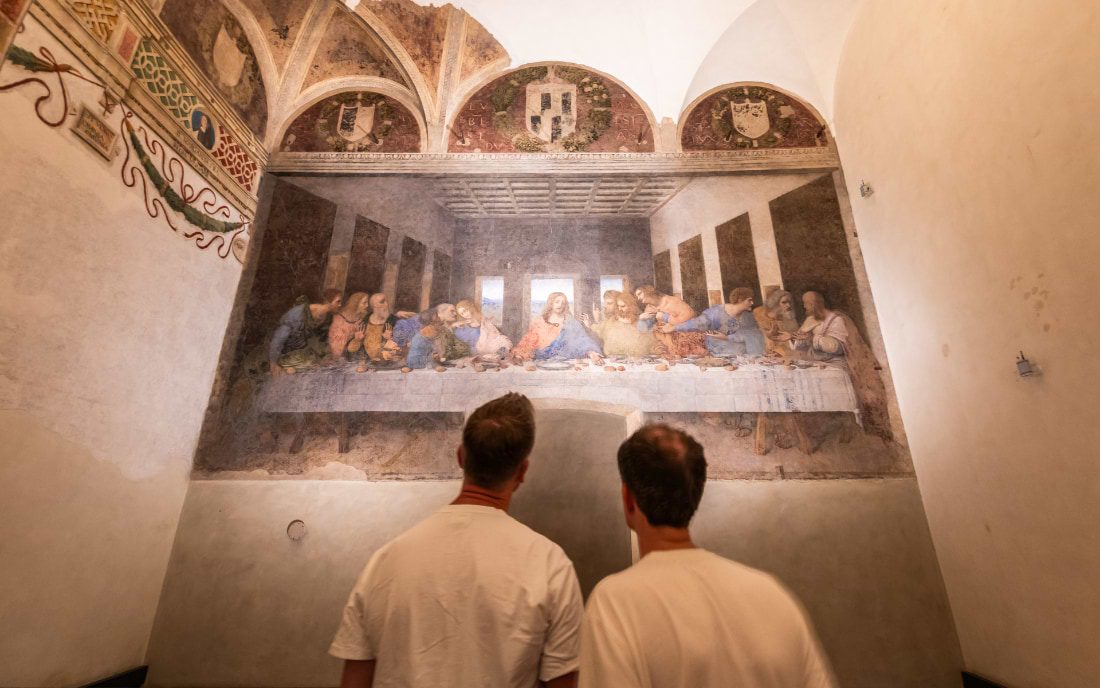
Technically not a museum in the traditional sense, the refectory of the Dominican convent attached to the church of Santa Maria delle Grazie is home to arguably the most famous painting on the planet: Leonardo da Vinci's The Last Supper. This UNESCO World Heritage Site is the single most sought-after cultural experience in Milan, and for very good reason.
The painting stretches across the entire back wall of the old monks' dining hall. Despite centuries of damage, wartime bombing, and extensive restoration, the emotional power of the work remains extraordinary. Only small groups of about 25 people are admitted at a time, and each visit is limited to 15 minutes. That might sound brief, but the intimacy of the experience, standing just metres from a painting that has captivated the world for over five centuries, is genuinely unforgettable.
Booking is essential, and you'll want to plan well ahead. Tickets (around €15 for standard admission) often sell out months in advance. For those looking for museums in Milan that showcase Leonardo da Vinci's work, this is the essential starting point.
Insider tip: if tickets through the official site are sold out, guided tour operators often have reserved allocations. It costs more, but a good guide will transform those 15 minutes with context about the painting's history, symbolism, and miraculous survival.
4. Museo del Novecento
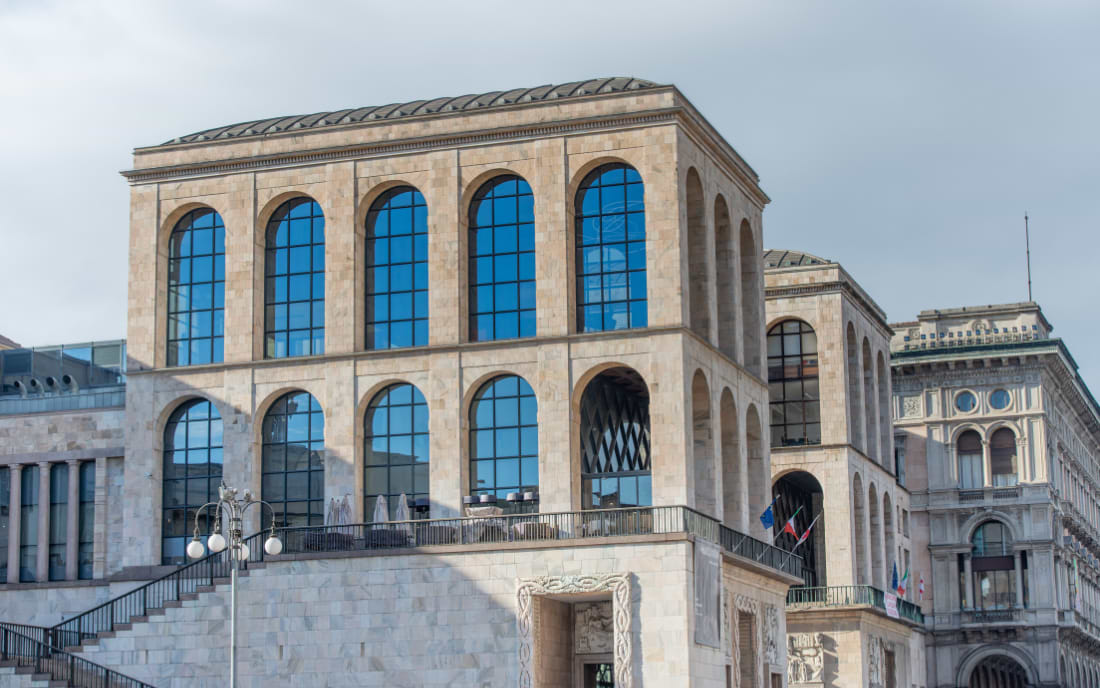
Perched right on Piazza del Duomo inside the Palazzo dell'Arengario, the Museo del Novecento is Milan's temple to 20th-century Italian art. The building itself sets the mood: a spiralling walkway takes you up past a massive window framing the Duomo, one of the best photo opportunities in the city.
The collection starts with Pellizza da Volpedo's Fourth Estate (1901) and moves chronologically through the major movements that shaped Italian art over the following hundred years. You'll encounter Futurism, Metaphysical Art, and Spatialism, with significant works by Boccioni, Carrà, de Chirico, and Lucio Fontana, whose slashed canvases feel as radical today as they did in the 1960s. For anyone interested in modern art museums in Milan, this is an absolute must.
Admission is around €10, and the museum is free on the first Sunday of every month. It's open Tuesday to Sunday, with late closing on Thursdays and Saturdays.
Insider tip: visit in the late afternoon and time your exit to catch the sunset reflected off the Duomo's marble facade through the museum's panoramic window. It's one of those moments that makes you fall in love with Milan.
5. Fondazione Prada
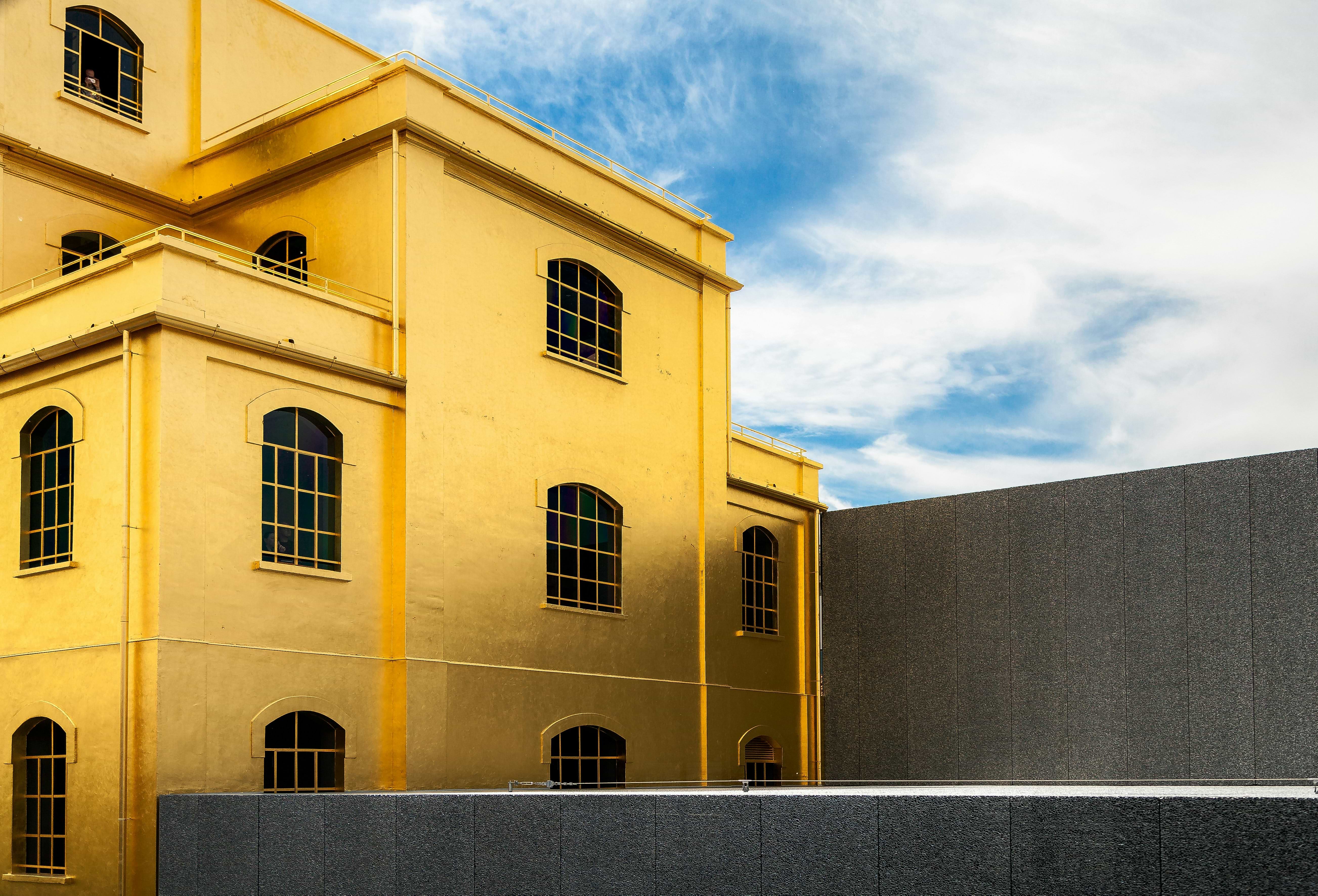
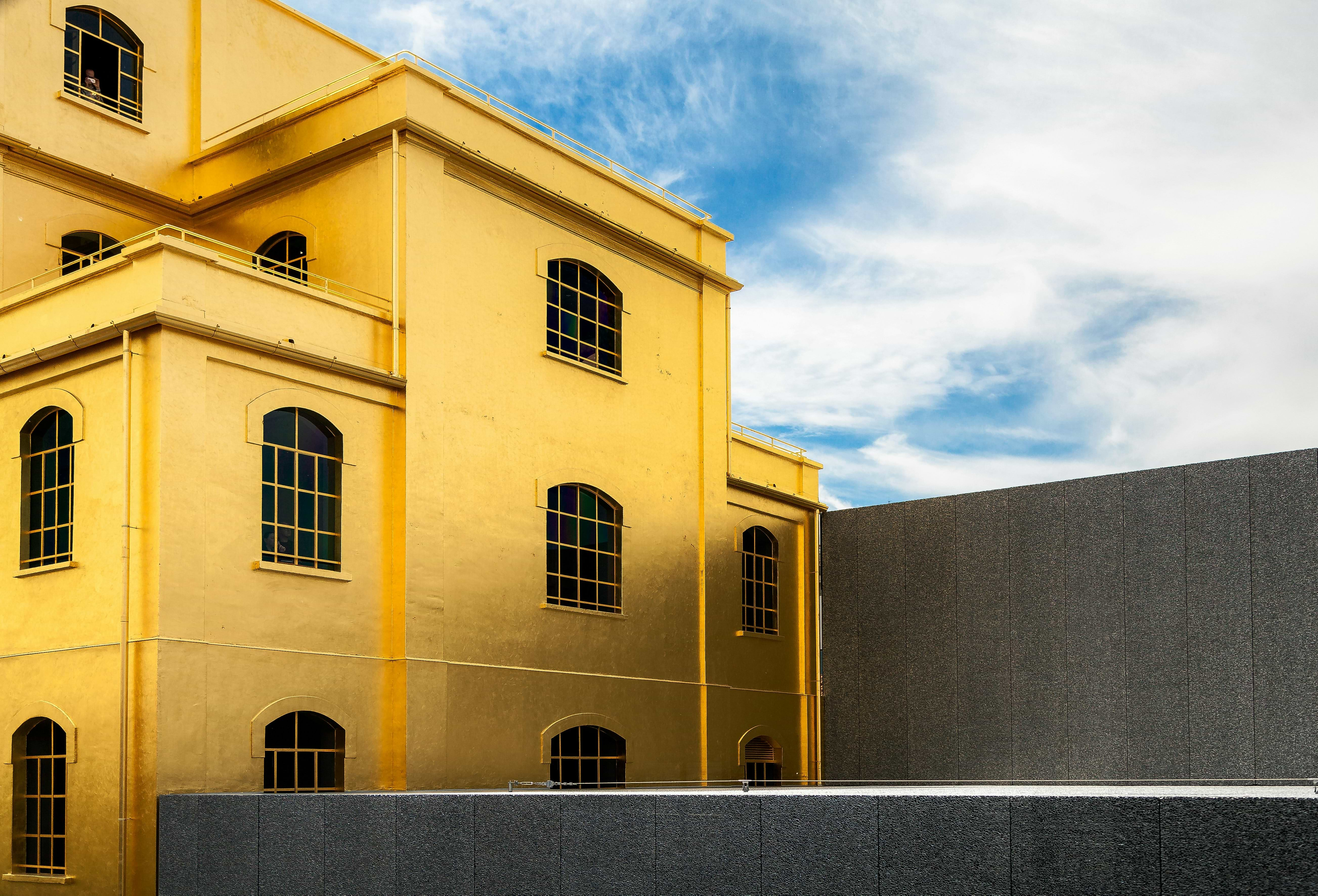
The Prada Foundation museum in Milan occupies a converted 1910s distillery in the Largo Isarco neighbourhood, south of the city centre. Designed by Rem Koolhaas and his firm OMA, the complex blends seven original industrial buildings with three striking new structures: the Podium, the Cinema, and the Torre, a nine-storey tower clad in white concrete.
At Fondazione Prada, you can expect a constantly rotating programme of ambitious contemporary art exhibitions, film screenings, philosophical lectures, and interdisciplinary projects. The permanent collection includes major works by contemporary artists, while temporary shows have featured names such as Jeff Koons, Damien Hirst, and Alejandro G. Iñárritu. The foundation's willingness to tackle challenging, large-scale installations sets it apart from more conventional art galleries in Milan.
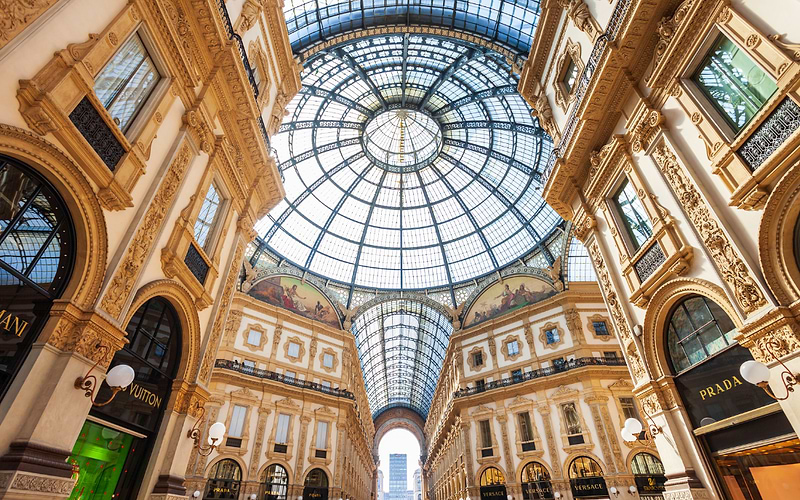
Don't leave without stopping at Bar Luce, designed by film director Wes Anderson. Its pastel interiors, retro formica furniture, and arched ceiling (modelled on the Galleria Vittorio Emanuele) make it one of the most Instagram-worthy spots in the city, and the coffee is excellent, too.
Insider tip: entry is free, but booking online in advance is recommended to skip the queue. Allow at least two to three hours, and wear comfortable shoes; the complex is spread across multiple buildings with plenty of stairs.
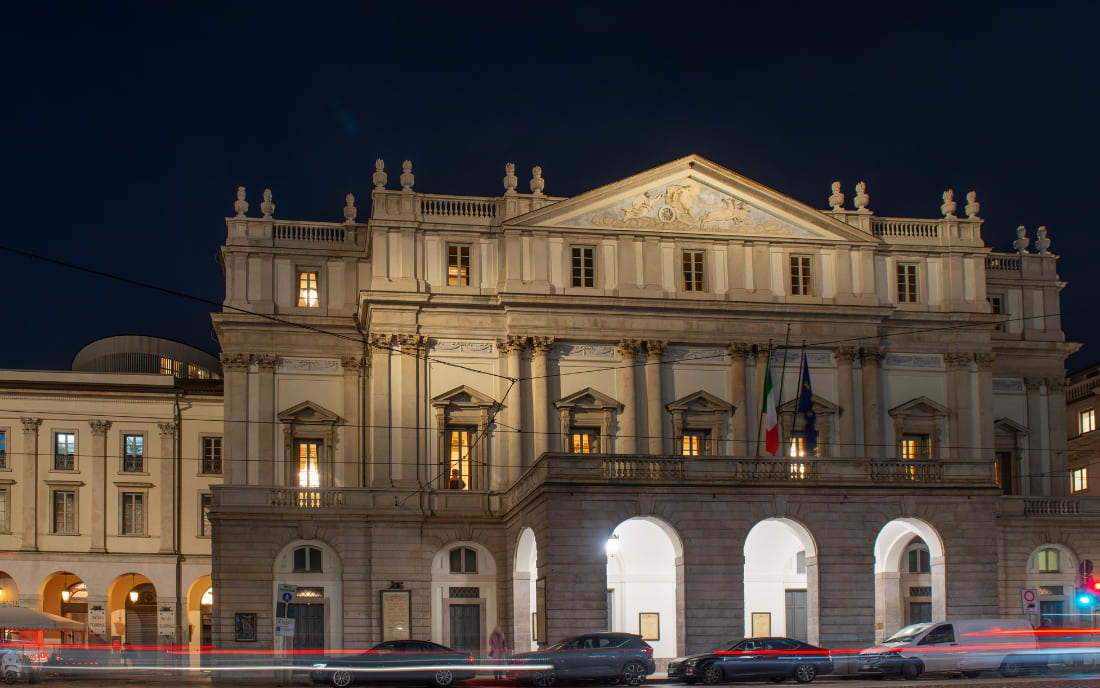
6. La Scala Museum (Museo Teatrale alla Scala)
Opera and Milan are inseparable, and the La Scala Museum Milan is where you can explore that deep connection. Located inside the world-famous Teatro alla Scala, built in 1778, this museum houses a rich collection that traces the history of opera, ballet, and Italian theatrical tradition.
Inside, you'll find a treasure trove of operatic memorabilia: original costumes, musical instruments, portraits of legendary composers and performers, busts of Verdi and Puccini, handwritten scores, and stage set models. One of the highlights is the collection of commedia dell'arte ceramics and antique musical instruments. From certain rooms, you can also peek into the main auditorium itself, with its red velvet seats and gilded boxes, which is a thrill even if you can't attend a performance.
Admission is around €12, and the museum is open daily. It's a compact visit, usually taking about 45 minutes to an hour, making it easy to combine with other stops nearby, such as the Galleria Vittorio Emanuele and the Duomo.
Insider tip: if you fall in love with the atmosphere, check La Scala's performance calendar. Last-minute gallery seats for the evening's opera can sometimes be snagged at very reasonable prices.
7. Castello Sforzesco Museums
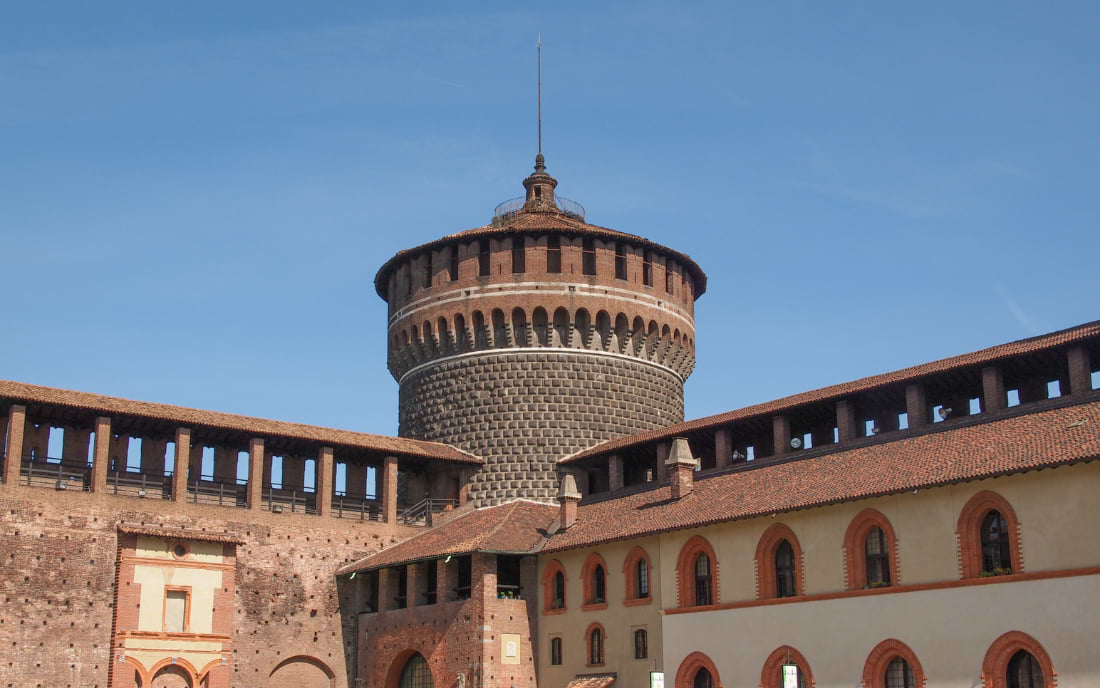
The Castello Sforzesco is a 15th-century fortress that dominates the western edge of Milan's historic centre. Inside its massive walls, you'll find no fewer than ten separate collections spanning art, archaeology, furniture, musical instruments, and more.
The undisputed highlight is Michelangelo's Pietà Rondanini, his final, unfinished masterpiece, displayed in its own dedicated museum room within the castle. The rawness of the unfinished sculpture, with ghostly traces of earlier versions visible in the marble, is profoundly moving. Elsewhere in the castle, you'll find a superb collection of Renaissance paintings, Egyptian artefacts, and one of Europe's largest collections of applied art and furniture.
Admission to the castle grounds is free; museum entry costs around €5. Many of the collections are included in the Tourist Museum Card (about €12 for three days), which also covers the Museo del Novecento and several other civic museums. It's one of the best deals in Milan for culture enthusiasts.
Insider tip: after exploring the museums, exit through the back of the castle into Parco Sempione, Milan's most beloved park. It's a gorgeous place to rest your feet and perhaps enjoy a gelato.
8. Triennale Milano (Design Museum)
Milan is the undisputed capital of Italian design, and the Triennale Milano is the institution that celebrates that legacy most comprehensively. Located inside the Palazzo dell'Arte on the edge of Parco Sempione, the Triennale houses the Museum of Italian Design, a permanent collection showcasing over 1,600 iconic objects from the post-war period to the present day.
For anyone curious about design museums Milan has to offer, the Triennale is the definitive answer. The permanent design collection traces the evolution of Italian product design, furniture, and industrial innovation. Beyond the permanent exhibits, the Triennale hosts a busy calendar of temporary exhibitions exploring architecture, urban planning, fashion, and contemporary culture, making every visit feel fresh.
Admission varies depending on the exhibitions on show but is typically around €15. The museum is open Tuesday to Sunday.
Insider tip: the Triennale's rooftop terrace offers one of the loveliest panoramic views of Milan, and it's free to access. Pair your visit with a stroll through Parco Sempione and a stop at the castle for a perfect half-day itinerary.
9. Armani/Silos
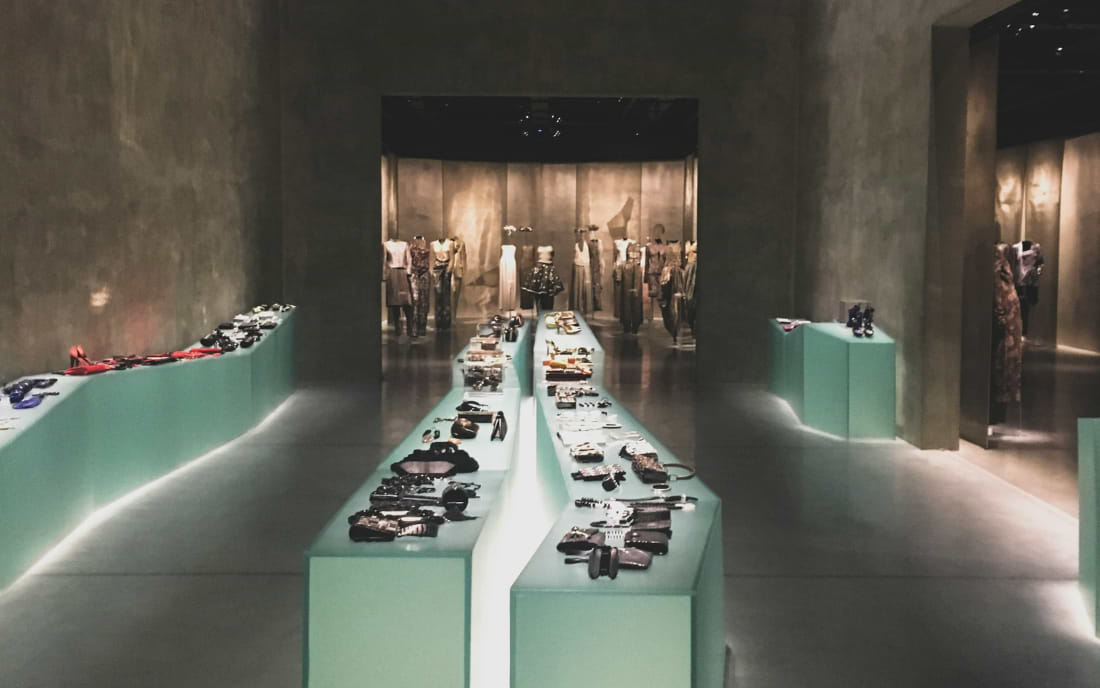
In a city synonymous with fashion, the Armani Museum Milan feels almost inevitable, and yet it still manages to surprise. Located in a converted 1950s granary in the Tortona district, Armani/Silos was opened in 2015 to mark four decades of Giorgio Armani's career. The renovation was overseen by Armani himself, and the building's austere industrial character has been preserved beautifully.
The museum spans four floors, with garments, accessories, and multimedia displays organised thematically rather than chronologically. You'll trace the evolution of Armani's signature aesthetic: the deconstruction of the power suit, the play with androgyny, the obsession with fabric and drape. Whether or not you consider yourself a fashion person, the craftsmanship on display is extraordinary.
Milan has no shortage of fashion heritage, but Armani/Silos is the city's only museum dedicated entirely to a single fashion house, making it the closest thing to a fashion museum in the traditional sense. Admission is around €12.
Insider tip: the Tortona neighbourhood around the museum is one of Milan's most creative districts, home to design studios, galleries, and some excellent restaurants. It's worth exploring on foot after your visit.
10. Museo di Storia Naturale di Milano (Natural History Museum)
Housed in a handsome 19th-century building within the Indro Montanelli Gardens near Porta Venezia, the Natural History Museum Milan is one of the city's oldest and most family-friendly institutions. Founded in 1838, it holds extensive collections covering mineralogy, palaeontology, zoology, and botany.
The dinosaur hall is the obvious crowd-pleaser, with full skeletal reconstructions and lifelike dioramas that transport you to prehistoric worlds. But the museum's other sections are equally rewarding: the mineralogy galleries sparkle with crystals and gemstones, and the insect collection is one of the most comprehensive in Europe. For families, this is one of the most engaging museums in Milan to visit with kids, offering a welcome change of pace from painting galleries.
Admission is around €5, and the museum is free on the first Sunday of every month. It's open Tuesday to Sunday.
Insider tip: combine your visit with a walk through the gardens outside. The park is one of Milan's prettiest green spaces, popular with locals for jogging, reading, and afternoon picnics.
Other Italian Museums Worth Visiting
Milan's museum scene extends well beyond this top ten. A few other spots worth your time if your itinerary allows:
- Pinacoteca Ambrosiana: founded in 1618, one of Milan's oldest galleries, home to works by Botticelli, Titian, and a collection of Leonardo's drawings in the Codex Atlanticus.
- Pirelli HangarBicocca: a vast former industrial plant turned contemporary art space, known for monumental installations. Entry is free.
- MUDEC (Museo delle Culture): located in the Tortona area, this ethnographic and contemporary culture museum hosts excellent travelling exhibitions.
- Galleria d'Arte Moderna (GAM): a beautiful neoclassical villa near Porta Venezia, showcasing 18th- and 19th-century paintings and sculpture, including works by Cézanne, Gauguin, and Van Gogh in the Vismara collection.
- ADI Design Museum: opened in 2021, this museum is entirely dedicated to the Compasso d'Oro award and Italian design innovation. A must for design enthusiasts alongside the Triennale.
Frequently Asked Questions
What are the best art museums in Milan?
The Pinacoteca di Brera is widely considered Milan's finest art museum, with masterworks by Raphael, Mantegna, and Caravaggio. The Museo del Novecento is essential for 20th-century Italian art, and Fondazione Prada is the city's leading space for contemporary art. The Pinacoteca Ambrosiana and the Galleria d'Arte Moderna are also excellent options for art lovers seeking depth beyond the headline attractions.
What museums should you visit in Milan?
For first-time visitors, the essential trio is the Pinacoteca di Brera, the Leonardo da Vinci Science Museum, and Santa Maria delle Grazie (for The Last Supper). Add the Museo del Novecento for modern art and the Castello Sforzesco for a rich blend of art, archaeology, and history. If you have more time, Fondazione Prada, the Triennale, and the La Scala Museum each offer unique experiences you won't find anywhere else.
Is the Brera Art Gallery worth visiting?
Absolutely. The Brera Art Gallery is one of Italy's most important painting collections and a must for anyone who appreciates Renaissance and Baroque art. The setting is beautiful, the collection is world-class, and the surrounding Brera neighbourhood is one of Milan's most charming areas.
What museums in Milan focus on design?
The Triennale Milano is Milan's primary design institution, housing the Museum of Italian Design with over 1,600 objects. The ADI Design Museum is dedicated to Italy's prestigious Compasso d'Oro award. Both are located in central Milan and can be visited on the same day.
Is there a museum dedicated to fashion in Milan?
Armani/Silos is Milan's most prominent fashion museum, dedicated entirely to four decades of Giorgio Armani's work. Housed in a former granary in the Tortona district, it presents garments, accessories, and multimedia displays across four thematic floors. While other institutions like the Palazzo Morando (Museo Costume Moda) touch on fashion history, Armani/Silos is the most comprehensive single-brand fashion museum in the city.
Your Milan Museum Adventure Starts Here
From Renaissance masterpieces at the Pinacoteca di Brera to hands-on science at the Museum of Leonardo da Vinci Milan, from contemporary provocations at Fondazione Prada to the fashionable elegance of Armani/Silos, Milan's museum scene is as varied and vibrant as the city itself. Whether you have a single afternoon or an entire week, these 10 best museums in Milan will reward you with experiences that go far beyond the ordinary.
Ready to start planning? Leonardo Hotels offers comfortable, well-located accommodation in Milan, giving you the perfect base for exploring the city's cultural riches. Book your stay with Leonardo Hotels in Milan and wake up just a short walk from some of the world's greatest museums!
Find your next hotel in Milan, Italy