Bargain, Browse, Repeat: The 5 Best Athens Flea Markets (2026)
The flea markets in Athens are unlike anything else in Europe. Forget polished antique fairs with price tags and velvet ropes. Here, a crumbling Byzantine icon might sit next to a rusted typewriter, a stack of vinyl records, and someone's grandmother's silverware. Everything has a story, and most of it is negotiable.
Athens has been a trading city for thousands of years, and that spirit never quite left. Walk through the right neighbourhood on the right morning, and you will stumble into a world of treasure hunters, second-hand dealers, passionate collectors, and curious travellers all hunting for the same thing: something unexpected.
This guide covers the five best flea markets Athens has to offer, including the world-famous Athens Monastiraki flea market, a sprawling Sunday antiques scene, a gritty warehouse district, and a few neighbourhood surprises that most tourists walk right past. You will also find practical advice on opening days, haggling etiquette, what to look for, and how to make the most of a morning in the city's most characterful corners.
Quick Overview: Top Flea Markets in Athens
- Monastiraki Flea Market (Monastiraki Square area) — open daily, busiest on Sundays
- Avissinias Square (Plateia Avissinias) — antiques and collectibles, especially on Sundays
- Eleonas Flea Market Athens — large weekly market in the industrial west of the city, Sundays
- Varvakeios Agora (Athens Central Market) — food and goods market open Monday to Saturday
- Plaka and Psiri Neighbourhood Shops — vintage and antique stores open throughout the week
The 5 Best Flea Markets in Athens
1. Monastiraki Flea Market: The Heartbeat of Athens
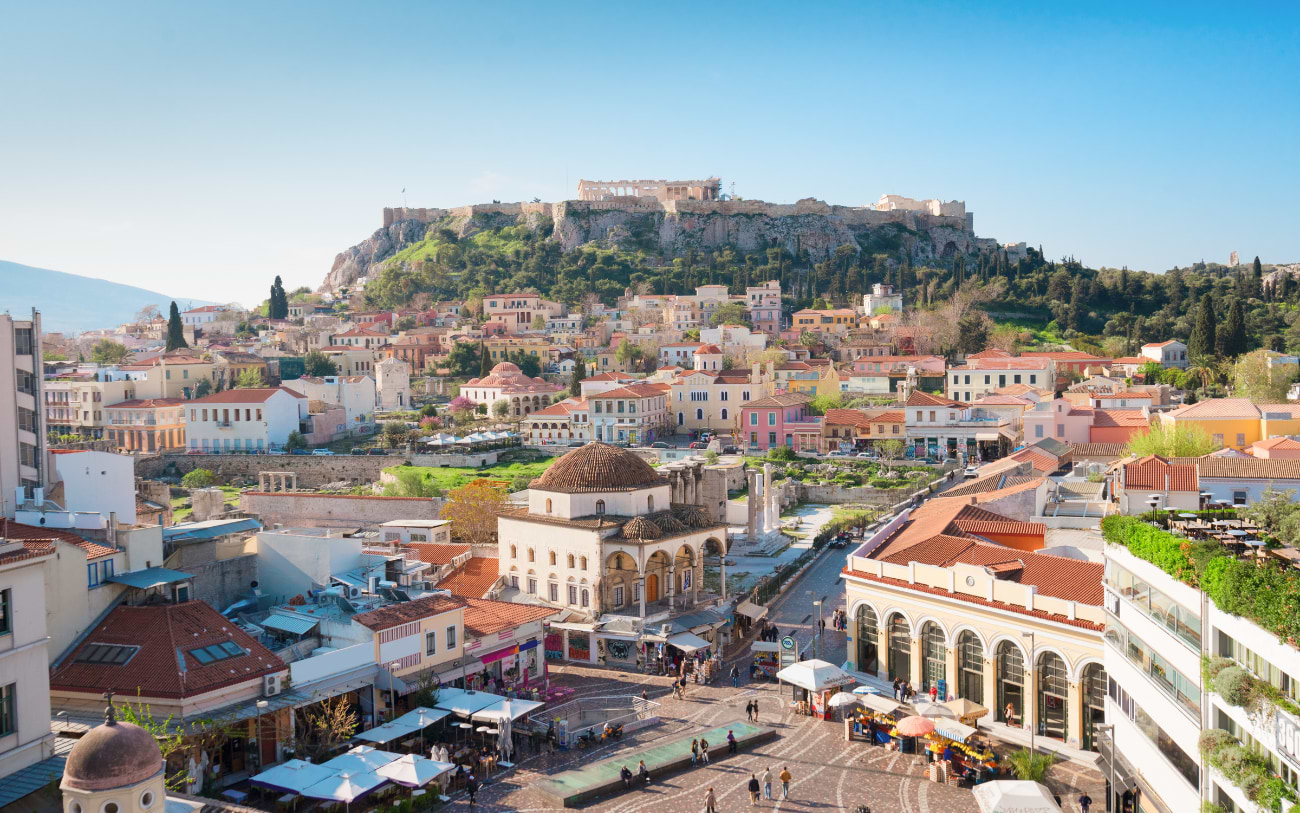
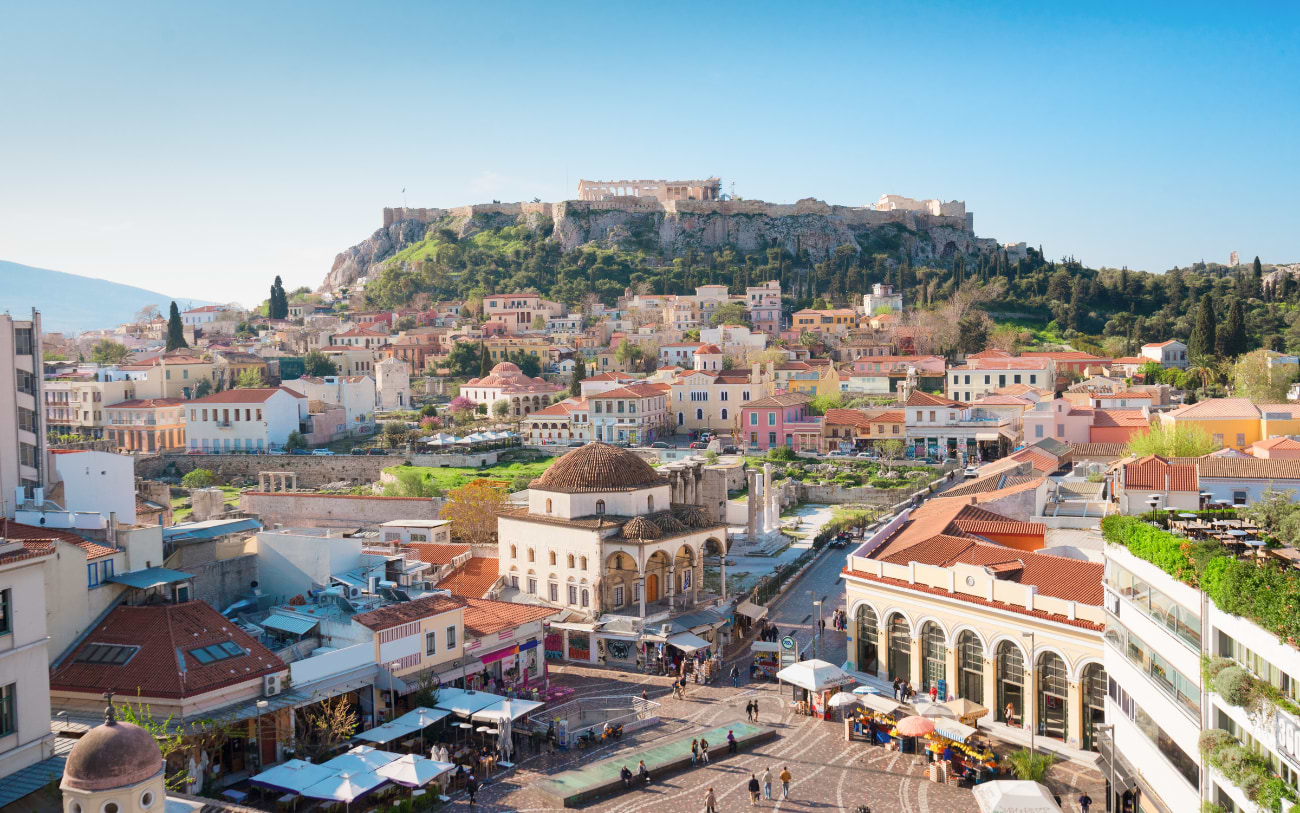
No visit to Athens is complete without at least one morning at the Athens Monastiraki flea market. It is the oldest, largest, and most famous market in the city, and it has been drawing traders and shoppers to the streets around Monastiraki Square for generations.
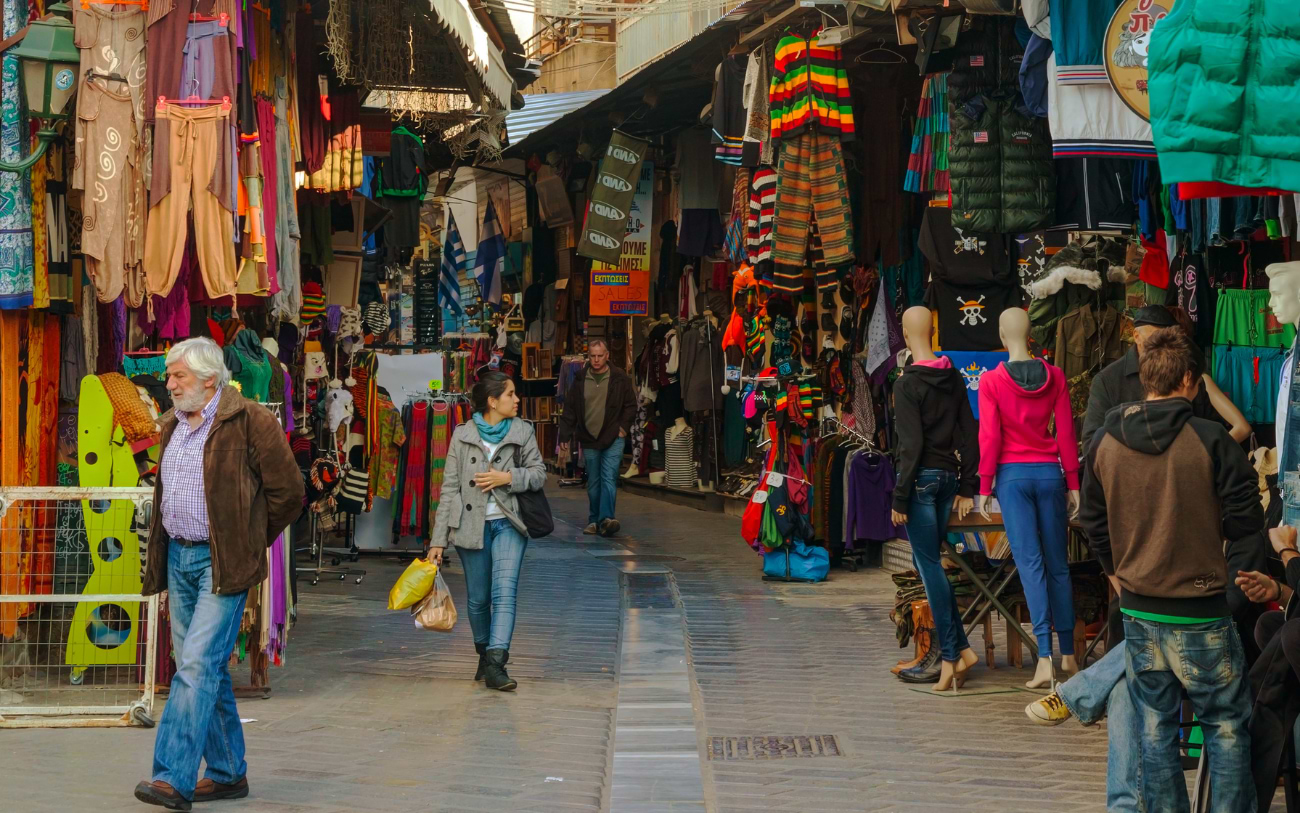
The market radiates outward from the square, spilling into the surrounding lanes of Ifestou Street, Adrianou Street, and the narrow alleyways that connect them. Permanent shops line the main streets, selling everything from leather sandals and copper cookware to military surplus gear and old Ottoman coins. The further you wander from the square, the more interesting it gets.
This is not a weekend-only attraction. The Monastiraki market operates every day of the week, with permanent shops typically open from around 9:00am to 6:00pm. But if you want the full spectacle, come on a Sunday. That's when dozens of additional vendors set up on the pavements, turning the whole neighbourhood into one massive outdoor bazaar.
On a Sunday morning, you can find antique furniture, vintage jewellery, old Greek banknotes, hand-painted religious icons, battered suitcases full of postcards, and stacks of second-hand books in a dozen languages. Sellers sit on folding chairs surrounded by their wares, and the whole scene has an easy, unhurried atmosphere that makes it one of the best people-watching spots in the city.
Haggling is not just accepted here, it is expected. A price offered at a Monastiraki stall is almost always a starting point. Be polite, show genuine interest, and do not be in a rush. That approach works far better than any aggressive tactics. For most smaller items, expect to pay anywhere from €2 to €30. For quality antiques and jewellery, prices rise considerably, but there is always room to negotiate.
Cash is king at the outdoor stalls, though many of the permanent shops do accept card payments. Keep a supply of small notes and coins on you.
The market sits directly below the Acropolis, making it a perfect addition to a day of sightseeing. Grab a coffee at one of the cafés on Avissinias Square, browse the market for an hour or two, then walk up to the Parthenon. There are also excellent tavernas in the area if you're building up an appetite after all that browsing.
2. Avissinias Square: Athens' Antiques Heartland
Tucked just behind the main Monastiraki strip, Plateia Avissinias (Avissinias Square) is one of those places that rewards the traveller willing to go slightly off the tourist trail. It sits about 200 metres from Monastiraki metro station, framed by a cluster of antique dealers, bric-a-brac shops, and specialist collectors.
This is the area where Athens' serious antique trade lives. During the week, the surrounding shops are open and you can browse at leisure, poking through old furniture, oil paintings, silver candlesticks, and mechanical clocks. The atmosphere is quieter than the main market, and the dealers here tend to have more specialised, higher-quality stock.
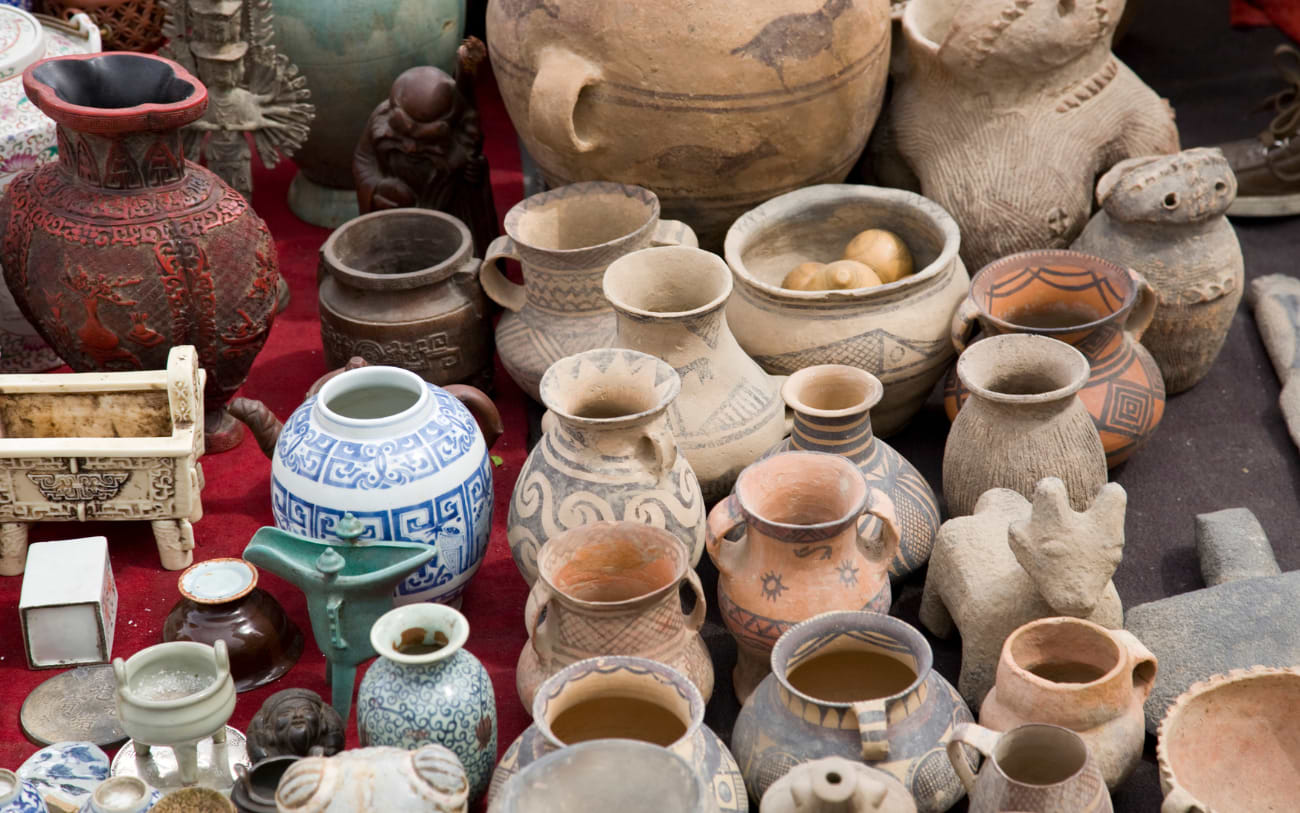
On Sunday mornings, the square itself comes alive. Vendors set up tables under the shade of the surrounding buildings, and the square becomes something between an antiques fair and a car boot sale. You'll find vintage cameras, old maps of Greece, pre-war furniture, military medals, and folk art alongside the usual mix of vintage clothing, crockery, and collectibles.
It is genuinely one of the best spots in Athens for tracking down authentic antiques rather than tourist reproductions. The sellers are knowledgeable and happy to talk about the history of their pieces. If you're after something specific, ask around — dealers in this area often know each other's stock.
Come early. By midday on a Sunday, the better pieces have usually found new owners, and the crowds can make browsing feel rushed. Arrive around 9:00am for the best selection and a more relaxed experience.
3. Eleonas Flea Market Athens: The City's Best-Kept Secret
If Monastiraki is the face Athens shows to the world, Eleonas is what Athens looks like when nobody's watching. This large sunday flea market Athens takes place in the industrial district of Eleonas, in the western part of the city, a world away from the marble columns and tourist cafés of the centre.
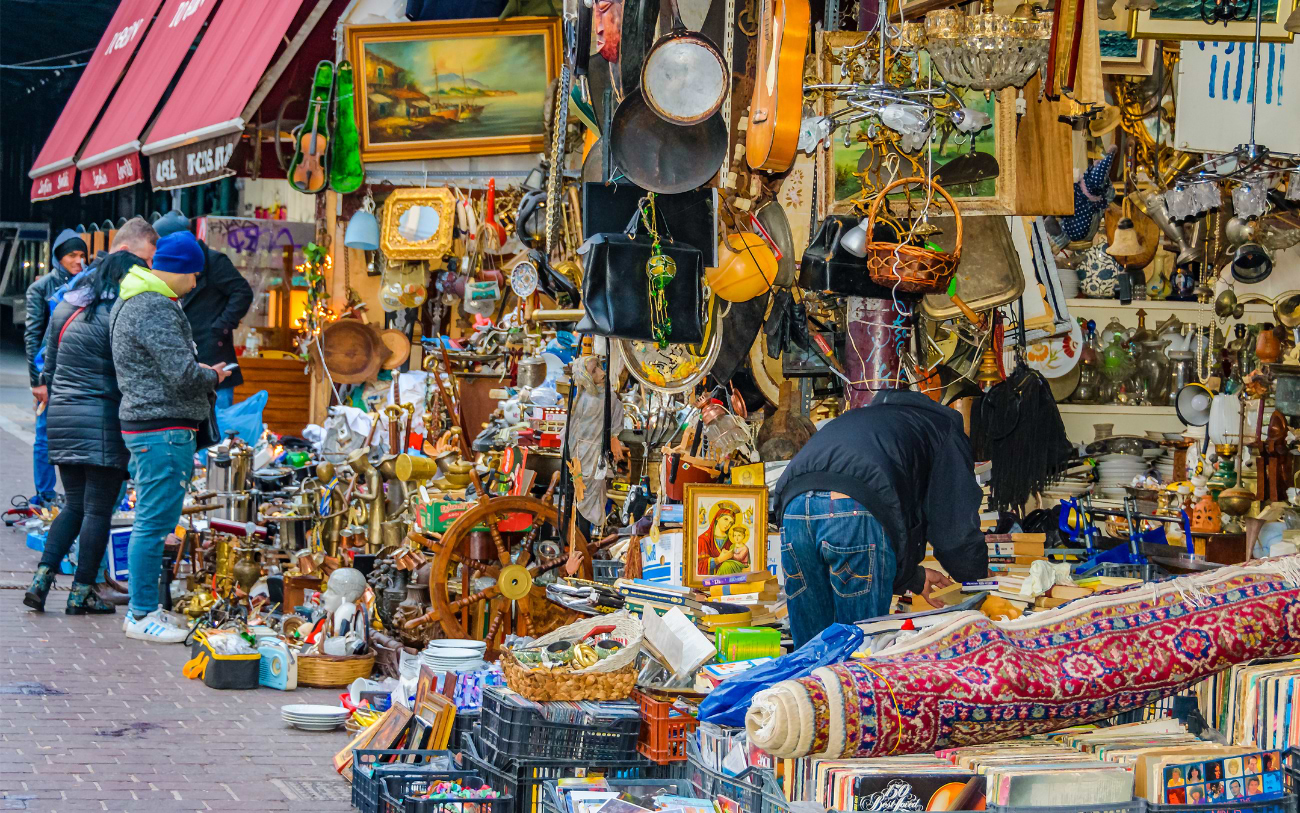
The Eleonas flea market Athens is exactly the kind of place that antique hunters and vintage enthusiasts dream about discovering. It is sprawling, slightly chaotic, and completely authentic. Held on Sunday mornings from roughly 7:00am to 2:00pm, it draws traders from all over the city and beyond, selling goods that range from second-hand electronics and old tools to vintage clothing, records, ceramics, and furniture.
This is not the place for curated antiques or polished collectibles. It is raw, unfiltered, and occasionally overwhelming. Which is precisely what makes it brilliant. You might spend an hour sifting through a box of old photographs and find nothing. Or you might pull out a hand-painted Greek plate from the 1950s for €3.
The crowd here is mostly locals, which gives the whole thing a completely different energy from Monastiraki. Fewer English speakers around the stalls, more serious haggling, and a sense that you've discovered something most visitors never find. Bring cash, wear comfortable shoes, and allow at least two hours.
To get there, take the metro to Eleonas station on Line 3. The market is a short walk from the station, and the area is easy to navigate on foot.
4. Varvakeios Agora: Where Athens Does Its Daily Shopping
The Varvakeios Agora, or Athens Central Market, is not a flea market in the traditional sense. It is the city's main daily market, running along Athinas Street between Omonia and Monastiraki, open Monday to Saturday from around 7:00am to 3:00pm.
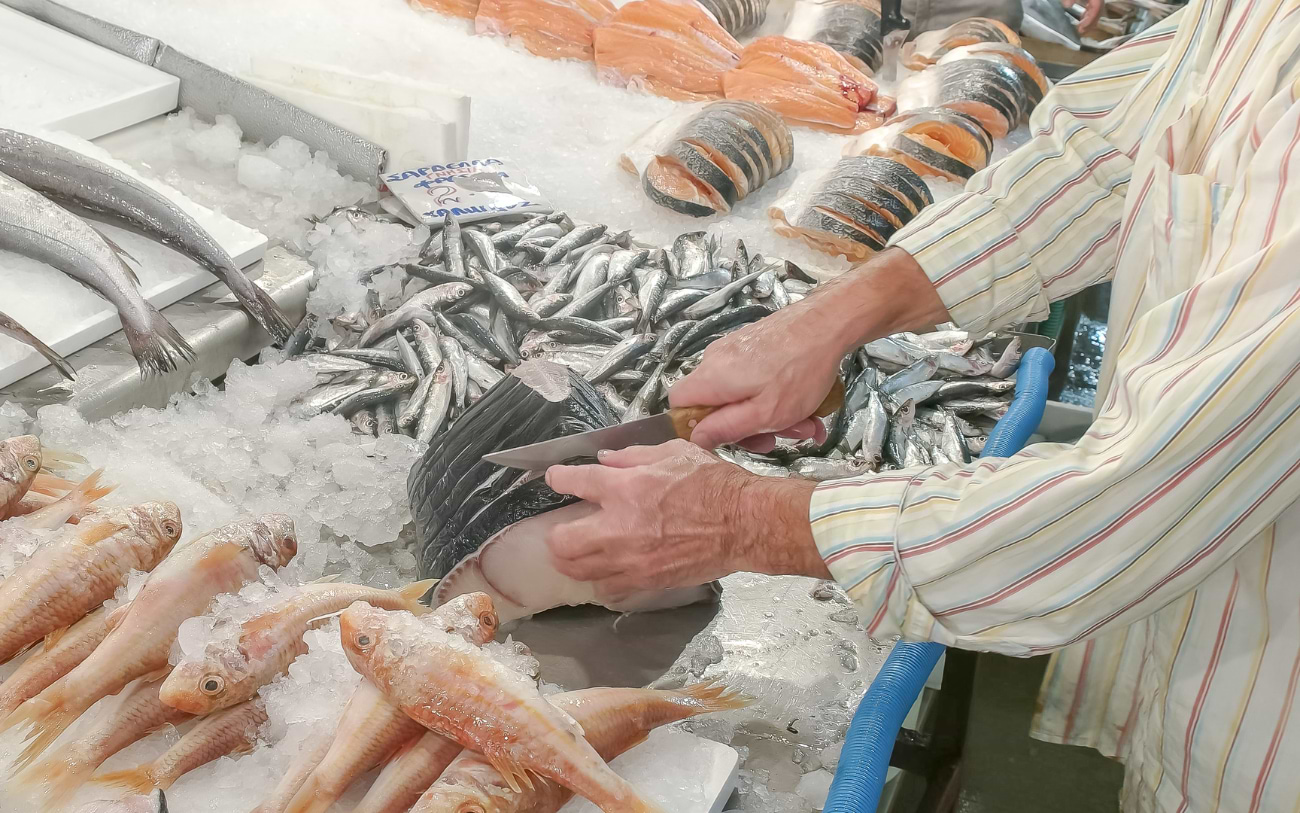
The indoor meat and fish halls are extraordinary, a sensory experience that tells you more about daily Athenian life than any guidebook. Outside, the surrounding streets host fruit and vegetable vendors, spice sellers, and stalls piled high with dried herbs, honey, nuts, and olives.
On the fringes of the market, especially along the side streets, you will find stalls selling household goods, cheap clothing, and the occasional vintage item. It is not the place for serious antique hunting, but it is an essential Athens experience. The neighbourhood is also home to several good traditional tavernas where you can eat a proper Athenian lunch at honest prices.
If you are visiting Athens and want to see where locals actually shop rather than where tourists shop, this is the place. Combine it with a walk through the nearby streets of Psiri for a full picture of the neighbourhood.
5. Piraeus Flea Market: A Sunday Ritual by the Sea
Most visitors to Athens never make it to Piraeus, but those who do on a Sunday morning are rewarded with one of the most atmospheric markets in the greater Athens area. The Piraeus Flea Market sets up weekly along the streets around Alipedou and Skylosofou, not far from the port, drawing a loyal crowd of locals, dealers, and the occasional sharp-eyed tourist. The stalls cover a broad sweep of territory: old tools, vintage radios, seafaring memorabilia, coins, second-hand clothing, ceramics, and furniture that looks like it arrived directly from someone's attic. The setting adds something extra, too. You are in a working port city with a completely different rhythm from central Athens, and the market reflects that. It feels lived-in, unpretentious, and genuinely local. Getting there is straightforward: take Line 1 of the metro from Monastiraki or Omonia directly to Piraeus station, a journey of around 25 minutes. Combine the market with a walk along the Mikrolimano harbour and a late lunch at one of the waterfront fish tavernas, and you have a full and very satisfying Sunday.
Bonus: Plaka and Psiri The Neighbourhood Vintage Trail
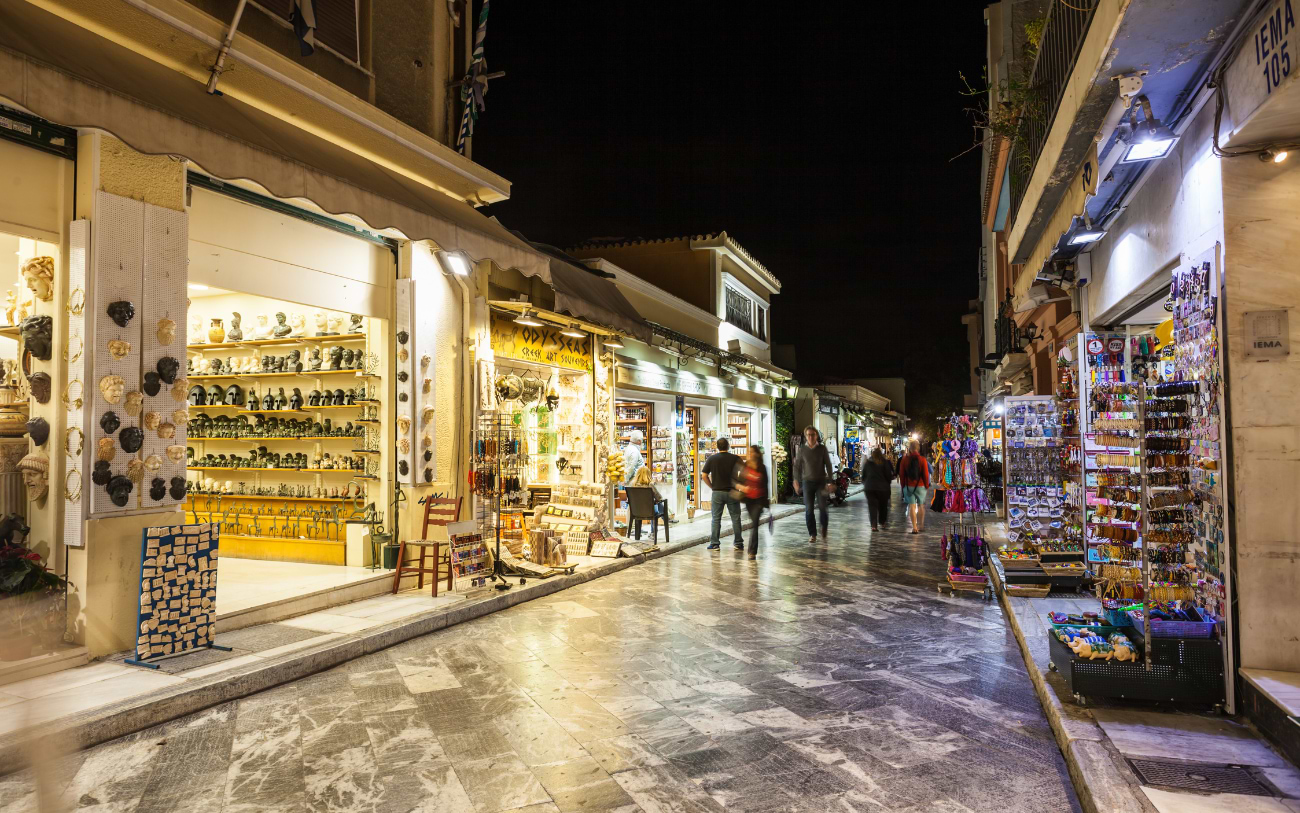
Neither Plaka nor Psiri hosts a dedicated flea market, but both neighbourhoods are packed with antique shops, vintage stores, and independent dealers that collectively form an entirely different kind of market experience.
While there is no single dedicated market, the streets around Adrianou and Kydathinaion are lined with small shops selling antique prints, old maps, Byzantine-style icons, traditional ceramics, and silver jewellery. Many of these shops are run by families who have been in the same spot for decades. The quality is generally higher than the outdoor market, and so are the prices, though negotiation is still welcome.
Psiri, just north of Monastiraki, has a grittier, more contemporary energy. The neighbourhood has been home to craftsmen and workshops for centuries, and today mixes independent art spaces, vintage clothing shops, and small galleries with traditional kafeneions. On weekend evenings, it is one of the liveliest spots in the city.
For vintage clothing specifically, the streets around Psiri offer some of the best hunting in Athens. Several shops specialise in 1970s and 1980s Greek fashion, imported second-hand pieces, and repurposed workwear. Prices are reasonable, and the selection changes constantly.
These neighbourhoods are also ideal for combining a shopping trip with broader sightseeing. Both are within easy walking distance of the Acropolis, the Ancient Agora, and the Roman Forum.
Practical Tips for Visiting Athens Flea Markets
When to Go
Sunday is the definitive day for flea market lovers in Athens. The Monastiraki market swells to its fullest, Avissinias Square becomes an open-air antiques fair, and the Eleonas market runs its weekly session. If you can only dedicate one morning to markets, make it a Sunday.
For a quieter browse, the permanent shops around Monastiraki and in Plaka are open throughout the week. Weekday mornings are far less crowded, and dealers tend to have more time to talk. Afternoons at the outdoor stalls can get warm in summer, so early mornings are always the smarter option regardless of the day.
What to Buy
Athens flea markets are particularly strong for vintage jewellery and silver items, antique icons and religious art, old maps and prints of Greece, vinyl records and vintage cameras, Ottoman and Byzantine coins, traditional ceramics and copperware, and second-hand books in Greek and other languages.
Bargaining
Haggling is standard practice at outdoor stalls and expected by most sellers. Permanent shop owners are generally less flexible, though a polite "Can you do a better price?" rarely hurts. The key is to be friendly and unhurried. Never offer a number you're not prepared to accept.
A rough guide: for small items under €10, you can often get 20-30% off the asking price. For larger antiques or jewellery, the gap between opening price and final price can be considerable. Come with cash in small denominations, know what you're willing to pay before you start, and walk away if the price isn't right. Often that's when the final offer appears.
Frequently Asked Questions
What are the best flea markets in Athens?
The top flea markets in Athens are Monastiraki Flea Market, Avissinias Square, and the Eleonas Flea Market. Monastiraki is the most famous and accessible, open daily with the biggest activity on Sundays. Avissinias specialises in genuine antiques. Eleonas is the largest, most local, and most raw market experience in the city.
What can you buy at flea markets in Athens?
The range is enormous. Expect to find vintage jewellery and silver, antique icons, old Greek coins, vinyl records, vintage cameras, handmade ceramics, copperware, second-hand clothing, and old maps and prints.
Are there flea markets in neighbourhoods like Psiri or Plaka?
Neither Psiri nor Plaka has a dedicated weekly flea market, but both are home to concentrations of antique dealers, vintage clothing shops, and independent traders. The streets around Adrianou in Plaka and the backstreets of Psiri reward slow exploration and are well worth combining with a visit to the main Monastiraki market.
What makes Athens flea markets unique?
Athens sits at the crossroads of Greek, Ottoman, Byzantine, and European history, and that layered past shows up constantly in its markets. You can find objects from several different civilisations in the same stall. The markets are also genuinely embedded in daily neighbourhood life rather than staged for tourists, which gives them an authenticity that is increasingly rare in European cities.
Can you find antiques or vintage items in Athens flea markets?
Absolutely. Avissinias Square and the surrounding shops are the best destination for genuine antiques, ranging from pre-war furniture and silver to coins and religious art. The Eleonas market turns up vintage finds regularly, and the permanent shops in Plaka and along Ifestou Street carry a consistent stock of antiques and collectibles throughout the week.
Conclusion: Add Athens Flea Markets to Your Itinerary
Athens flea markets offer something that no museum can replicate: the chance to hold history in your hands and take a piece of it home. Whether you're tracking down a specific antique or simply wandering to see what appears, the markets around Monastiraki, Avissinias, Eleonas, and the city's broader flea market neighbourhoods make for one of the most memorable mornings you can spend in Athens.
Come on a Sunday, come with cash, and come with no particular agenda. That is when the city's second-hand soul is at its liveliest.
Stay in the Heart of It All
If you're planning a trip and want to base yourself within easy reach of all the city's best flea markets in Athens, look no further than the NYX Hotel Esperia Palace Athens by Leonardo Hotels. Centrally located and full of character, it puts you minutes from Monastiraki, Plaka, and the wider city. Book your stay here and make Athens your own.
Find your next hotel in Athens, Greece