10 of the Best Hiking Trails in Europe for Beginners
If you've ever Googled hikes in Europe for beginners and felt overwhelmed by technical routes, altitude warnings, and gear lists the length of your arm, take a breath. Europe has something brilliantly rare: an enormous variety of well-maintained, well-signposted, accessible trails that welcome anyone willing to pull on a pair of trainers and step outside.
From the rolling meadows beneath the Austrian Alps to the dramatic sea-cliffs of the Wild Atlantic Way in Ireland, the continent is laced with paths that are genuinely suitable for first-timers. You don't need prior experience, specialist kit, or an iron will. You just need a bit of planning and the right trail.
In this guide, we've pulled together 10 of the best hiking trails in Europe for beginners, spanning top Leonardo destinations like Germany, Austria, Switzerland, Italy, Ireland, and Romania. We'll cover what makes each one special, how long it takes, whether the kids can come along, and where to base yourself before and after the walk. Let's get into it.
Good to know: Beginner-friendly hiking trails are typically short (under 10 km), well-marked, and follow easy terrain with minimal elevation gain. Most can be completed in 1–4 hours and often include wide paths or partially paved sections, making them accessible for all fitness levels.
|
Trail |
Duration |
Distance |
Why it’s great for beginners |
|
Partnach Gorge (Germany) |
2–3h |
~6 km |
Wide paths, dramatic scenery |
|
Bastei Rock Trail (Germany) |
2–3h |
~6 km |
Easy, well-marked viewpoints |
|
Triberg Waterfalls (Germany) |
1.5–2.5h |
~4 km |
Short, partly paved trail |
|
Hallstatt Lake (Austria) |
2–3h |
~5 km |
Flat lakeside walking |
|
Lake Bled (Slovenia) |
~1h |
~6 km |
Simple loop, minimal elevation |
Before You Hit the Trail: What Every Beginner Should Know
A little preparation goes a long way, especially if this is your first proper hiking experience. Here's what to keep in mind before you set off.
What counts as a beginner hiking trail?
A beginner trail is typically well-marked, has a gradual incline (usually under 400m of elevation gain), is under 15km in length, and follows a clear, maintained path. That said, 'beginner' doesn't always mean 'easy stroll in the park'. Some trails involve uneven terrain or gear, so it's worth reading individual trail notes before you go.
Do I need hiking experience to do these trails?
Not at all. All the trails in this guide are suitable for people with no prior hiking experience. However, the more comfortable you are walking 8-12km in a day (even around a city), the more you'll enjoy them. If you're totally new to walking long distances, start with shorter routes and build up gradually.
What should I pack?
For a day hike, your bag doesn't need to be massive. Essentials include:
- Sturdy footwear (trail trainers or light hiking boots work fine for most beginner paths)
- Water (at least 1.5 litres per person)
- Snacks or a packed lunch
- Layers (mountain weather can change quickly, even in summer)
- A map or downloaded offline route (apps like Komoot or Alltrails are excellent)
- Sunscreen and a hat
- A small first aid kit
Do I need hiking poles?
For most beginner trails, hiking poles are optional. They can be helpful on downhill sections, especially for those with knee issues or for added stability on rocky ground. If you're trying hiking for the first time, don't worry about poles until you feel you'd benefit.
When is the best time of year to hike in Europe?
Late spring (May-June) and early autumn (September-October) are generally the sweet spots for hiking in Europe. The weather is mild, the crowds are thinner than in peak summer, and the landscapes are at their most vivid. For Alpine trails, avoid hiking above 1,500m before June, as snow can linger late into the season.
Are beginner trails safe for solo hikers?
Yes.The trails in this list are popular, well-marked, and don't require a guide. That said, always let someone know your plan, carry a charged phone, and stick to marked paths. For solo hiking in remote areas, it's worth downloading an offline map and checking the weather forecast before you go.
Now, let's get right into 10 best hikes in Europe for beginners, as seen by Leonardo.
1. Partnach Gorge, Bavaria, Germany
Duration: 2-3 hours | Distance: 7km | Elevation gain: 130m | Nearest base: Munich
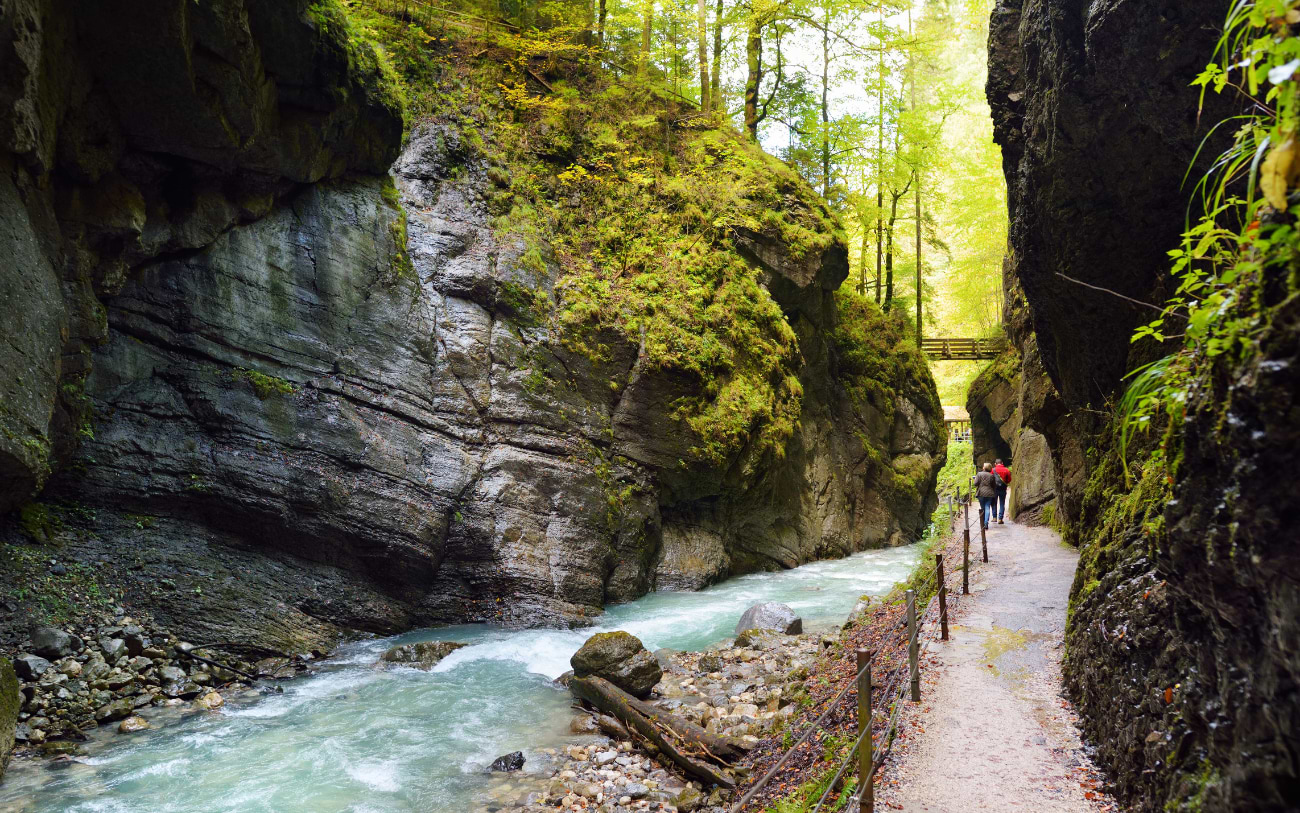
Just south of the charming town of Garmisch-Partenkirchen, the Partnach Gorge is one of the most spectacular beginner-friendly natural wonders in the German Alps. A carved wooden walkway leads you through a dramatic limestone gorge, with waterfalls thundering overhead and the river roaring below. It's genuinely breathtaking, but the path itself is flat and easy.
The gorge is particularly magical in late spring when snowmelt sends water cascading down the cliffs. There's an entrance fee (around 4 euros for adults), and facilities include toilets, a car park, and a traditional Bavarian restaurant close to the trail. The trail is suitable for older children (though toddlers in carriers should watch for the occasional low ceiling in the narrow sections).
Base yourself in Munich and make a day trip of it. We offer a great choice of Leonardo Hotels in Munich, making it an excellent and comfortable starting point for your Bavarian adventure.
2. Bastei Rock Trail, Saxon Switzerland, Germany
Duration: 2-3 hours | Distance: 6km | Elevation gain: 170m | Nearest base: Dresden
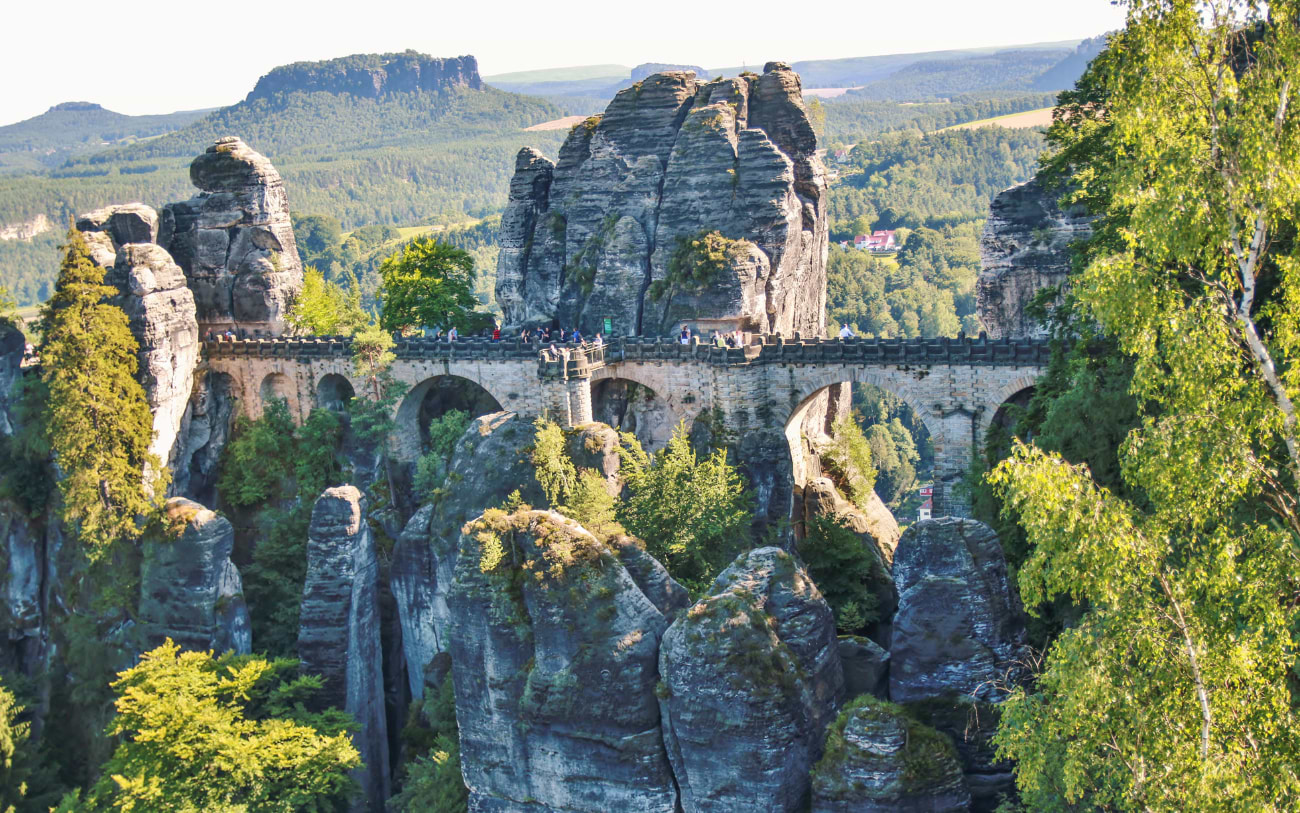
The Bastei is one of Germany's most iconic landscapes, a series of towering sandstone pillars rising from the dense forests of Saxon Switzerland National Park in eastern Germany. The Bastei Bridge, connecting several of these formations, offers views that feel almost cinematic. The loop trail around the Bastei is ideal for beginners, with well-maintained paths, railings on exposed sections, and clear signage throughout.
There are restaurants and toilets at the Bastei complex, so facilities are no issue. The trail is suitable for children over 6, though younger ones may find some of the steep wooden stairways a bit tricky. The best views come in the morning when low mist fills the valley below.
Stay in Dresden, just under an hour's drive away. Leonardo Hotels in Dresden puts you right in the heart of one of Europe's most beautiful baroque cities, giving you the perfect excuse to extend your trip beyond the trail.
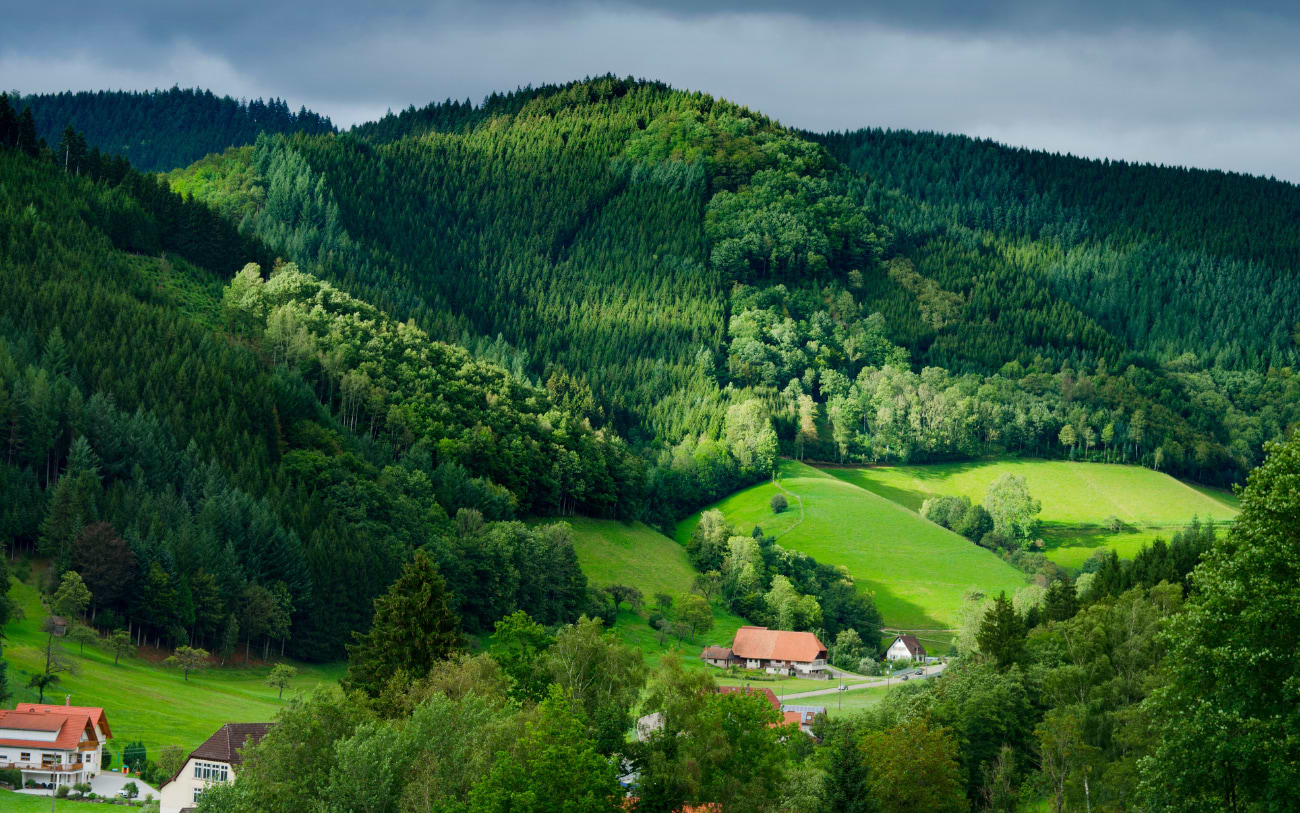
3. Black Forest Waterfall Trail (Triberg), Germany
Duration: 1.5-2.5 hours | Distance: 4km | Elevation gain: 150m | Nearest base: Freiburg
The Black Forest has a well-deserved reputation as one of the most beginner-friendly hiking destinations in Germany. The Triberg Waterfall trail, near the town of Triberg im Schwarzwald, takes you past Germany's highest waterfalls through dense, fragrant pine forest. The path is wide, partly paved, and manageable for all fitness levels.
Highlights include the seven-tiered waterfall (which drops around 163 metres in total) and the chance to explore the quirky town of Triberg itself, famous for its cuckoo clocks and Black Forest cake. Toilets, cafes, and a visitor centre are available near the trailhead. The trail is family-friendly and suitable for children of all ages and elderly walkers.
Heading to the Black Forest? Freiburg is an excellent gateway city, and Leonardo Hotels in Freiburg give you a stylish, central base for exploring the region.
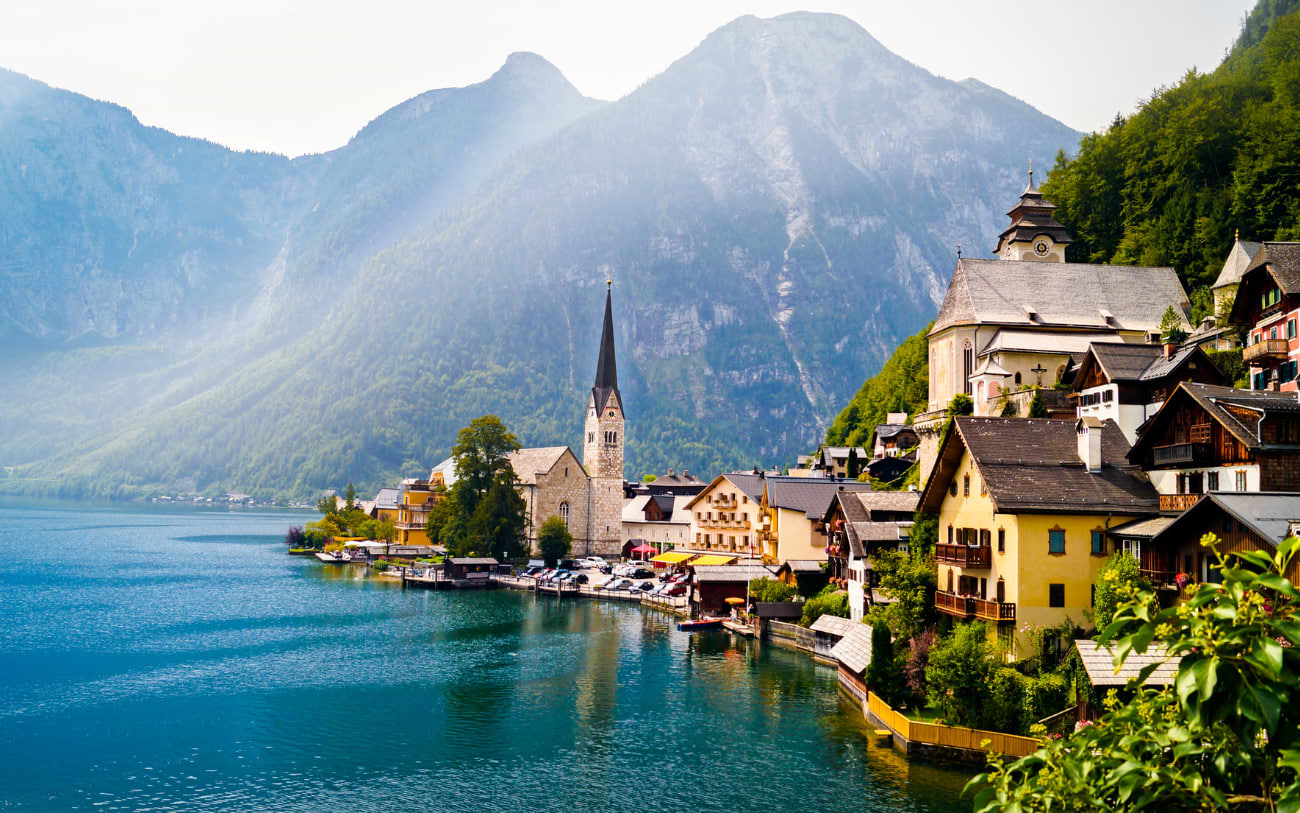
4. Hallstatt Lake Walk, Salzkammergut, Austria
Duration: 2-3 hours | Distance: 8km | Elevation gain: 80m | Nearest base: Salzburg
Austria is genuinely one of the best countries in Europe for beginner hikers. The network of marked trails is exceptional, the scenery is jaw-dropping, and even shorter routes offer the kind of views that make you feel as though you've genuinely earned something.
The lakeside trail around Hallstatt is beautiful. The path winds around the edge of the clearest blue Hallstatter See, with the limestone peaks of the Dachstein massif reflected in the water and the colourful village clinging to the cliffs on one side. Elevation is minimal, the path is wide and flat for most of its length, and the views are among the most scenic on any beginner trail in Europe.
There are restaurants and cafes in Hallstatt village, toilets at various points along the way, and the area is fully suitable for families with toddlers in carriers and elderly walkers. The closest major city is Salzburg, and Leonardo Hotels in Salzburg make an ideal base for exploring this stunningly scenic corner of Austria.
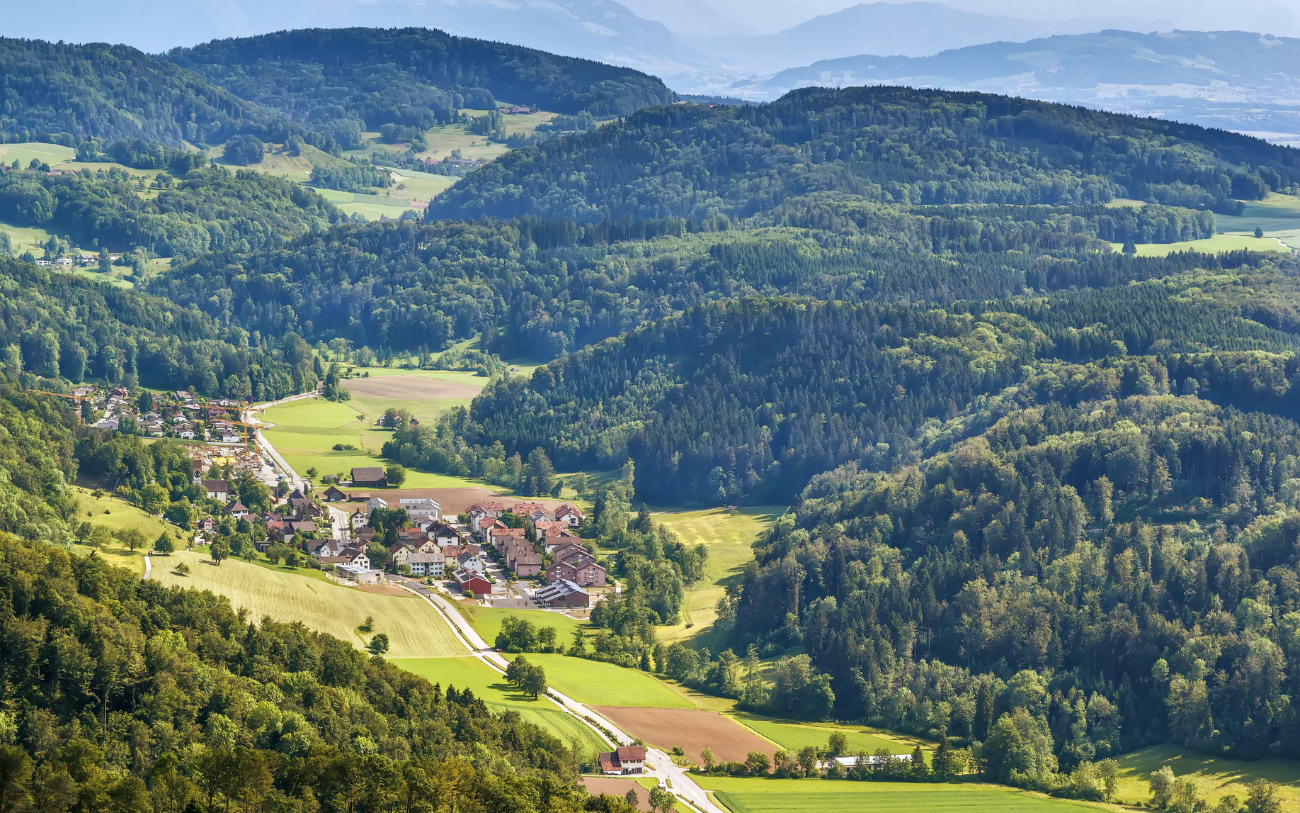
5. Uetliberg Summit Trail, Zurich, Switzerland
Duration: 2-3 hours (return) | Distance: 8km | Elevation gain: 300m | Nearest base: Zurich
Switzerland tends to conjure images of gruelling Alpine ascents, but the Uetliberg is Switzerland's answer to the accessible city hike. Rising directly from the edge of Zurich, this wooded ridge offers panoramic views over the city, Lake Zurich, and the Alpine horizon beyond. The ascent is steady but manageable, the path is well-marked and well-trodden, and you can take the train down if your legs decide they've had enough.
The Planet Trail from Uetliberg to Felsenegg (a 7km ridge walk) is particularly popular, taking you through open meadows and mixed forest. Facilities at the summit include a restaurant, toilets, and an observation tower. The trail is suitable for children aged 6 and over, and can be done comfortably without any special equipment.
You can walk straight from the city centre, making this one of the rare urban mountain hikes for beginners in Europe.
Stay at Leonardo Hotels in Zurich for a perfectly located base, and squeeze this trail in between exploring the old town and sampling Swiss chocolate.
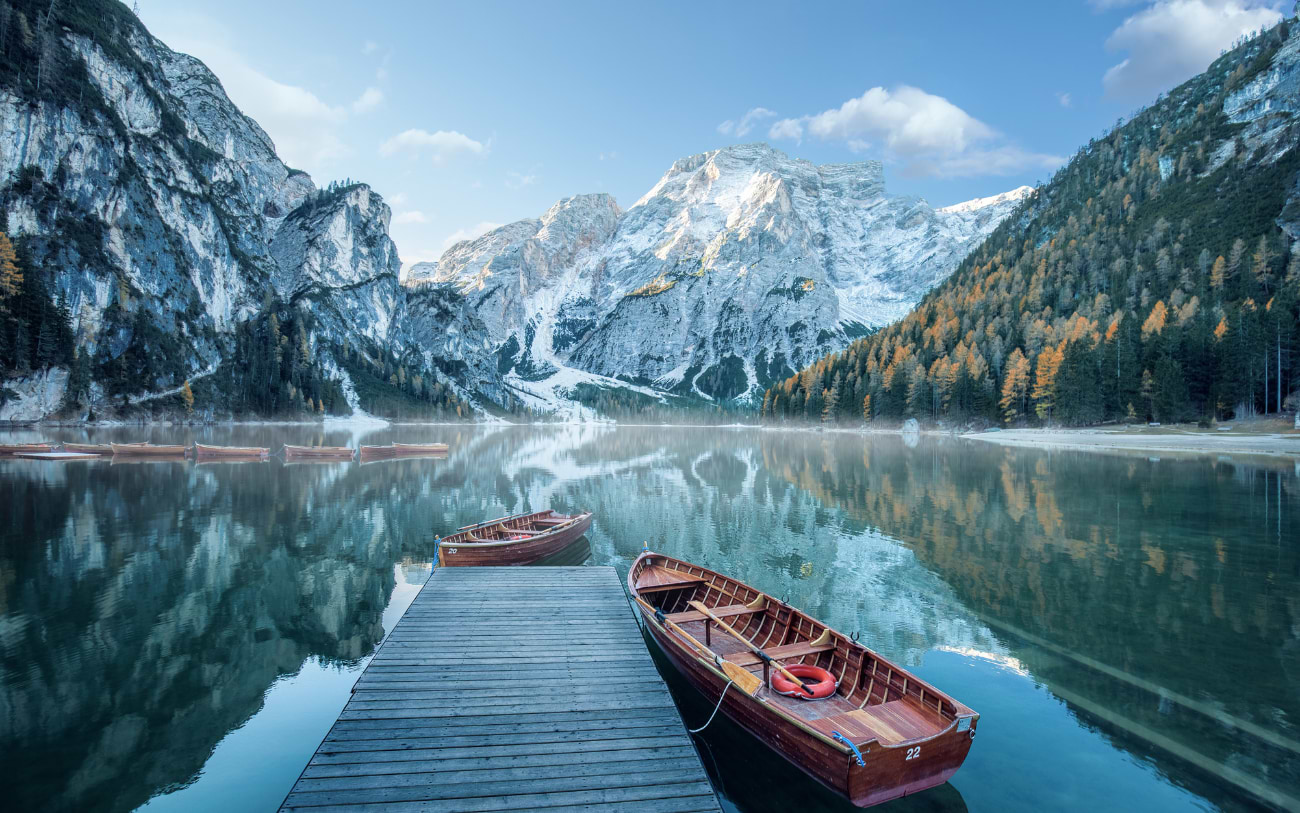
6. Lago di Braies Loop, Dolomites, Italy
Duration: 1.5-2 hours | Distance: 3.5km | Elevation gain: Minimal | Nearest base: Lazise / Lake Garda
Looking for the most scenic beginner hike in Europe? Look no further than the Lago di Braies (Pragser Wildsee) loop in Italy's Dolomites. This turquoise alpine lake, surrounded by towering pale-rock peaks, looks like something from a fairy tale. The flat circular trail around its shores is one of the easiest beginner hikes in the Alps, with virtually no elevation gain and a clear, wide path throughout.
The area is accessible by car or shuttle bus (car-free at busy times), and there are restaurants, toilets, and boat hire at the lake. It's best visited early in the morning to avoid the crowds, which can be significant in July and August. The trail is fully suitable for families, elderly visitors, and toddlers in carriers.
The northern Italian Alps and Dolomites are within comfortable driving distance of Lake Garda.
Leonardo Hotel Lago di Garda – Wellness and Spa offers a gorgeous lakeside setting that works brilliantly as a base for both spa days and Dolomite day trips.
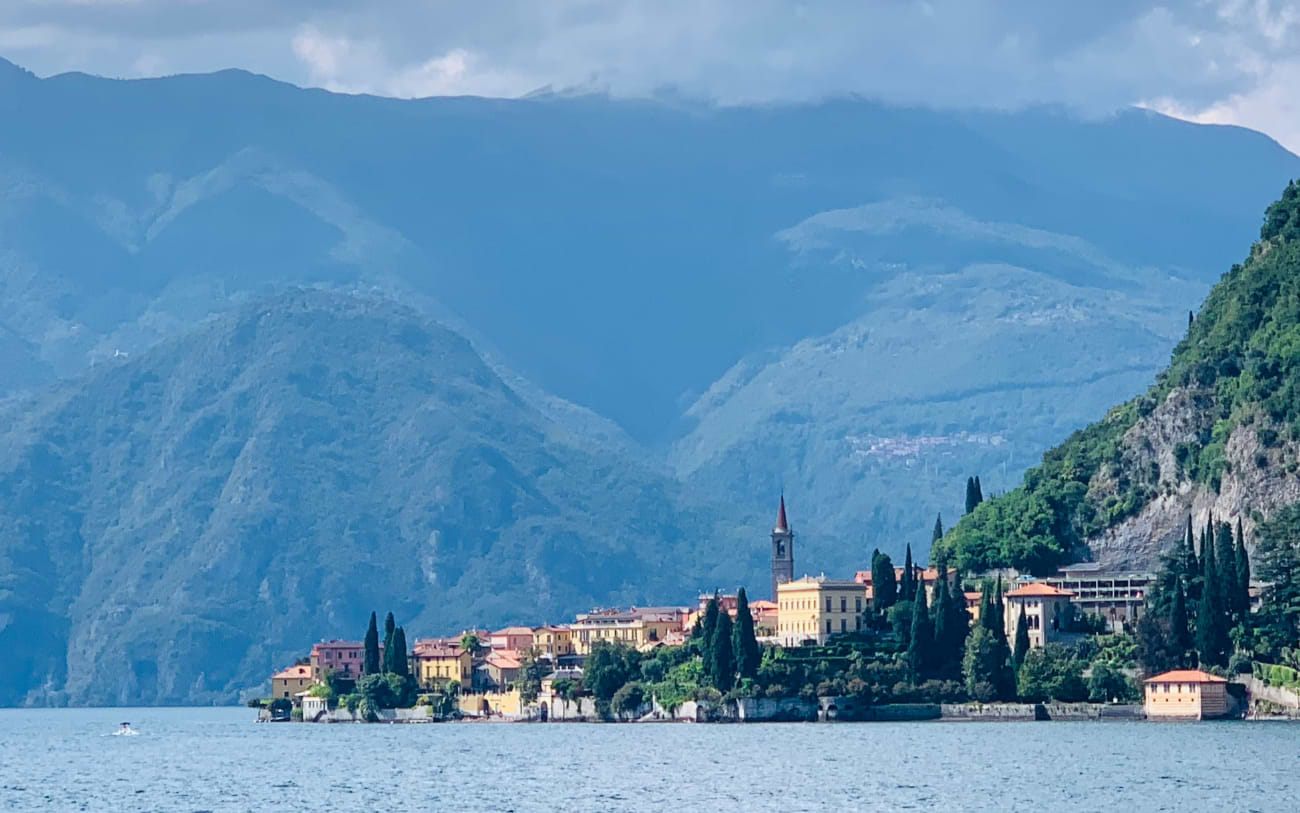
7. Monte Baldo, Lake Garda, Italy
Duration: 3-4 hours | Distance: 10km | Elevation gain: 400m (or take the cable car up) | Nearest base: Lake Garda
The Monte Baldo ridge above Malcesine on the eastern shore of Lake Garda is a dream for beginner mountain hikers. Take the cable car from Malcesine up to around 1,760m (making this a perfectly manageable mountain hike for beginners), then follow the ridge trail north through wildflower meadows with extraordinary views over the lake and across to the Alps and the Dolomites in the distance.
The ridge walk itself has gentle inclines, well-marked trails, and a couple of mountain refuges (rifugi) where you can stop for a plate of pasta or a cold drink. It's suitable for older children and reasonably fit elderly walkers.
Again, Leonardo Hotel Lago di Garda – Wellness and Spa is the ideal base here, with easy access to Malcesine and the cable car.
8. Diamond Hill Loop, Galway, Ireland
Duration: 3-4 hours | Distance: 12km | Elevation gain: 250m | Nearest base: Galway
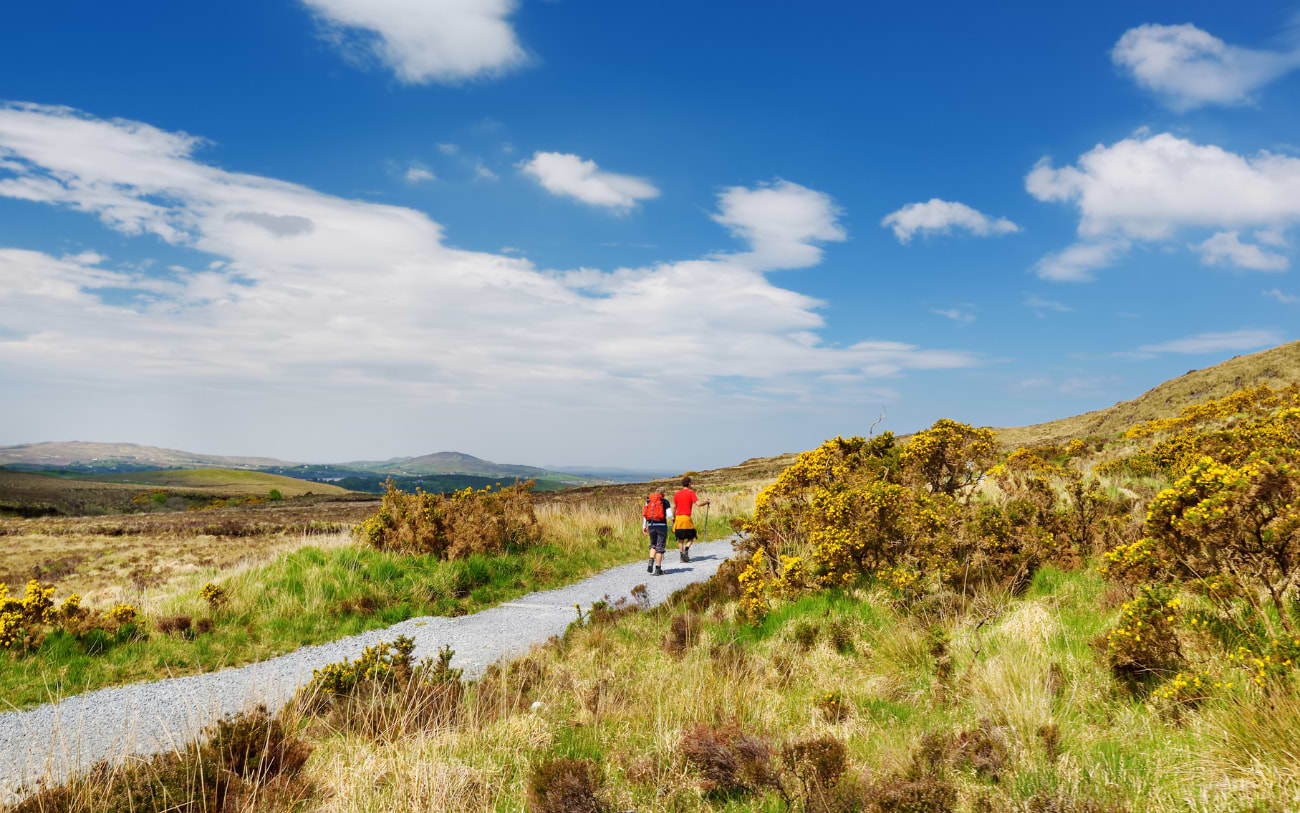
If you're asking whether there are beginner coastal hikes in Europe, Ireland has the answer. The trails of Connemara National Park in County Galway offer some of the most atmospheric walking in Europe. Boggy moorland, glittering loughs, and the rugged quartzite peaks of the Twelve Bens form a backdrop unlike anywhere else on the continent.
The Diamond Hill Loop within the national park is the standout route for beginners, a well-surfaced trail (much of it on boardwalk) that climbs to a rocky ridge with sweeping views over Killary Harbour and the Atlantic coast. It's one of the very few beginner trails that genuinely feels wild and remote. The lower loop (5.5km) is suitable for children aged 8 and over; the upper loop (7km) adds a steeper final climb to the summit.
There's a visitor centre at the trailhead with toilets, a small cafe, and free parking. Stay in Galway city (40 minutes' drive) and use Leonardo Hotels in Galway as your base. Galway itself is one of Ireland's most vibrant and characterful cities, so you'll want a night or two to explore after you've come down from the hill.
9. Bucegi Nature Reserve, Prahova Valley, Romania
Duration: 3-4 hours | Distance: 10km | Elevation gain: 350m (or take the cable car from Busteni) | Nearest base: Bucharest
Romania is one of Europe's great undiscovered hiking destinations, and the Bucegi Mountains are a perfect introduction. The plateau above Busteni in the Prahova Valley is famous for its strange rock formations: the Sphinx and the Babele (a cluster of wind-eroded rocks resembling old women). Take the cable car up to the plateau and follow the marked trail between these formations, with vast open views in every direction.
The plateau trail is mostly flat once you're up, making it surprisingly manageable for beginners. There are mountain refuges and cafes on the plateau, toilets at the cable car station, and the route is well-signed with red and yellow markers.
Base yourself in Bucharest, just 1.5 hours south by train or car. Leonardo Hotels in Bucharest gives you a comfortable city base from which to explore both the capital and the mountains beyond. Romania's hiking infrastructure has improved enormously in recent years, and it remains a superb-value destination.
10. Rigi Mountain Trail, Central Switzerland
Duration: 2-3 hours | Distance: 8km | Elevation gain: 250m | Nearest base: Zurich
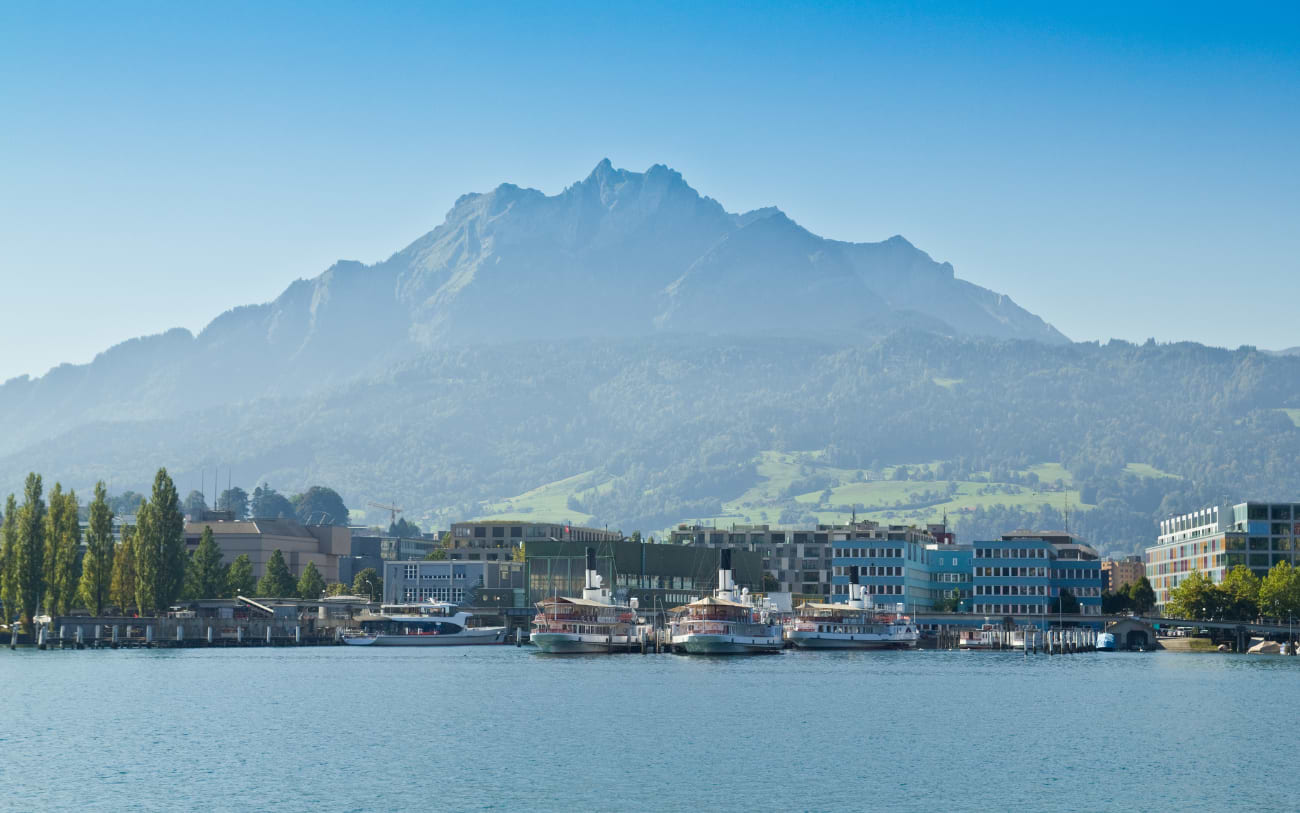
Known as the Queen of the Mountains, Rigi is arguably the best beginner hike in the Alps without steep climbs. Rising from the shores of Lake Lucerne, this rounded mountain (1,797m at the summit) is criss-crossed with gentle, well-maintained paths that offer 360-degree panoramas over the Swiss Alps, multiple lakes, and, on clear days, the Black Forest in Germany. This very same view inspired many 19th-century painters.
You can take the railway from Vitznau or Arth-Goldau to the summit and walk down at your own pace, choosing from multiple descent routes of varying lengths. There are restaurants, hotels, and toilets at the summit and at several points along the descent. The trail is suitable for all ages, including families with young children and elderly visitors. Rigi is one of the very few Alpine hikes where the whole family genuinely has a great time.
Rigi is easily reached from Zurich (around 1 hour by train and boat), making Leonardo Hotels in Zurich the natural choice for a base. Pair it with a visit to nearby Lucerne for one of the most satisfying hiking weekends in Europe.
Best Country for Beginner Hiking: Switzerland, Austria, or Germany?
All three are outstanding, but each has its own character. Austria edges ahead for sheer scenery per step taken, with trails around Hallstatt and the Salzkammergut offering extraordinary natural beauty on very manageable terrain. Germany wins on variety and accessibility, with beginner trails in the Alps, the Black Forest, and Saxon Switzerland all within easy reach of major cities. Switzerland leads on infrastructure and signage (the waymarking is meticulous) and has some of the best train connections.
FAQ
What makes a hiking trail suitable for beginners?
Beginner-friendly hiking trails are typically short, well-marked, and follow easy terrain with minimal elevation gain, making them accessible even for those with little or no hiking experience.
How long are beginner hiking trails in Europe?
Most beginner trails in Europe can be completed within 1 to 4 hours and usually cover distances of up to around 10 km, depending on the route and pace.
Are the hiking trails in this guide easy to follow?
Yes, the trails included in this guide are generally well-maintained and clearly signposted, making them easy to navigate without advanced hiking skills.
Do I need hiking experience to try these trails?
No prior hiking experience is required. These routes are selected specifically for beginners and are suitable for first-time hikers looking for a manageable and enjoyable introduction to hiking.
Can these hiking trails be done as a half-day activity?
Yes, many of the trails are short enough to be completed in a few hours, making them ideal for half-day excursions or as part of a broader travel itinerary.
What kind of terrain can beginners expect on these trails?
Most beginner trails feature gentle paths such as forest tracks, lakeside walks, or paved sections, with limited steep climbs or technical terrain.
Ready to Step Outside?
Europe's best hiking trails for beginners aren't hidden secrets or hard-to-reach gems. They're waiting for you at the end of a train line, a short drive from a beautiful city, or just a cable car ride from a lakeside hotel. The hardest part is choosing where to start.
From the fairy-tale rock formations of Saxon Switzerland to the Atlantic wildness of Connemara, these ten trails offer a genuine taste of Europe's outdoors without demanding anything unreasonable of your legs or your experience level. Pack smart, check the weather, and go.
Find your next hotel